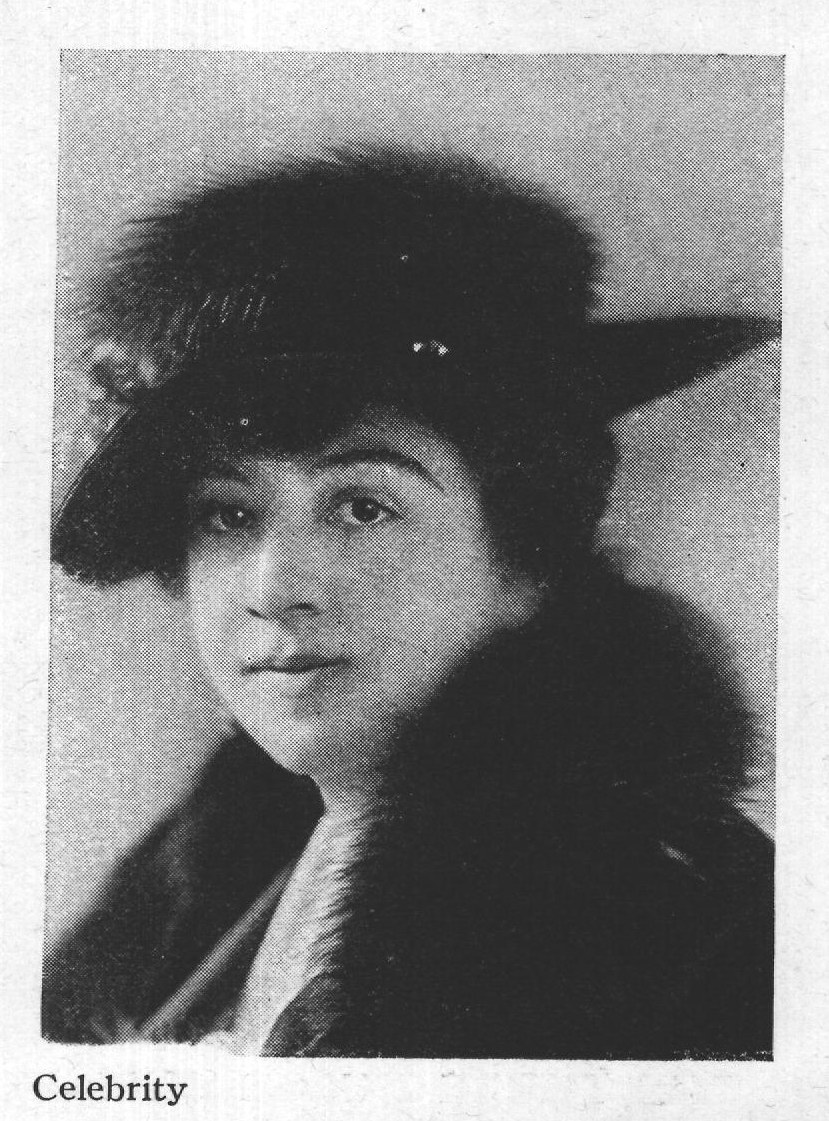
Ann Arkady

FRENCH DAINTIES
2 envelopes Knox acidulated gelatine 4 cups granulated sugar 1½ cups boiling water 1 cup cold water Soak the gelatine in the cold water five minutes.
Add the boiling water. When dissolved add the sugar and boil slowly for fifteen minutes. Divide into two equal parts. When somewhat cooled add to one part one-half teaspoonful of the lemon flavor found in separate envelope, dissolved in one tablespoonful water, and one tablespoonful lemon extract. To the other part add one tablespoonful brandy, if desired, one-half teaspoonful extract of cloves, and color with the pink color. Pour into shallow tins that have been dipped in cold water. Let stand over night; turn out and cut into squares. Roll in fine granulated or powdered sugar and let stand to crystallize. Vary by using different flavors and colors, and adding chopped nuts, dates or figs.
A gelatin candy in the Turkish-delight family, built on a discontinued branded product. The substitutions are easy, but the sugar boil is where it succeeds or fails.
- Knox acidulated gelatineThis was plain gelatin packaged with citric acid plus small envelopes of flavoring and coloring; it has not been sold for decades. Use two envelopes of unflavored gelatin (about 1½ tablespoons, 14 g) and add ¼ teaspoon citric acid with the sugar. The acid is not decoration — it inverts some of the sugar and helps keep the finished squares from turning grainy.
- The lemon flavor in the separate envelopeThat was the flavoring sachet from the box. Skip it and rely on the tablespoon of lemon extract already called for, or use the finely grated zest of one lemon steeped in the hot syrup and strained out.
- Extract of clovesPeriod clove extract was far weaker than the clove oil sold today. A half teaspoon of modern clove oil would be inedible and irritating; use ⅛ teaspoon of clove extract, or a scant drop of oil stirred into a tablespoon of water first, then taste.
- Boil slowly for fifteen minutesThe hinge of the recipe. Gentle boiling for a quarter hour concentrates the syrup enough to give the squares their chew; the exact temperature reached will depend on the pan and the heat, so judge the syrup rather than the clock. A hard boil overshoots and produces something closer to a hard candy; too short and it never firms up overnight.
- Shallow tins dipped in cold waterTwo 8-inch square pans, rinsed with cold water and not dried, so the set candy releases. A light film of neutral oil works as well and is more reliable.
- Pink colorProbably a cochineal or coal-tar dye from the box. Any modern food coloring does the job; a few drops of beet juice will give a duller rose.
- Rolling in sugarGranulated sugar alone pulls moisture out and the pieces weep within a day or two. A mix of half cornstarch and half confectioners' sugar keeps them dry, and the squares hold a week in a tin between layers of parchment.
- YieldFour cups of sugar makes a substantial batch — several dozen one-inch squares at least, half lemon and half pink, depending how thickly the syrup is poured. They need the full overnight set; cutting early gives ragged edges.
Charles B. Knox of Johnstown, New York, built a business in the 1890s on sheet-free granulated gelatin sold in envelopes, and the company pushed hard into recipe pamphlets and branded variants — the "acidulated" line came boxed with its own tiny envelopes of lemon flavor and pink coloring, which is why this recipe reads half like cooking and half like assembly instructions. "French dainties" here names what is essentially the confection family that includes Turkish delight and pâte de guimauve: a boiled sugar syrup set with gelatin, cut into cubes and tumbled in sugar. Such sweets turn up in charity and celebrity cookbooks of the period, requiring no candy thermometer, no copper pan and no confectioner's skill, only patience overnight.