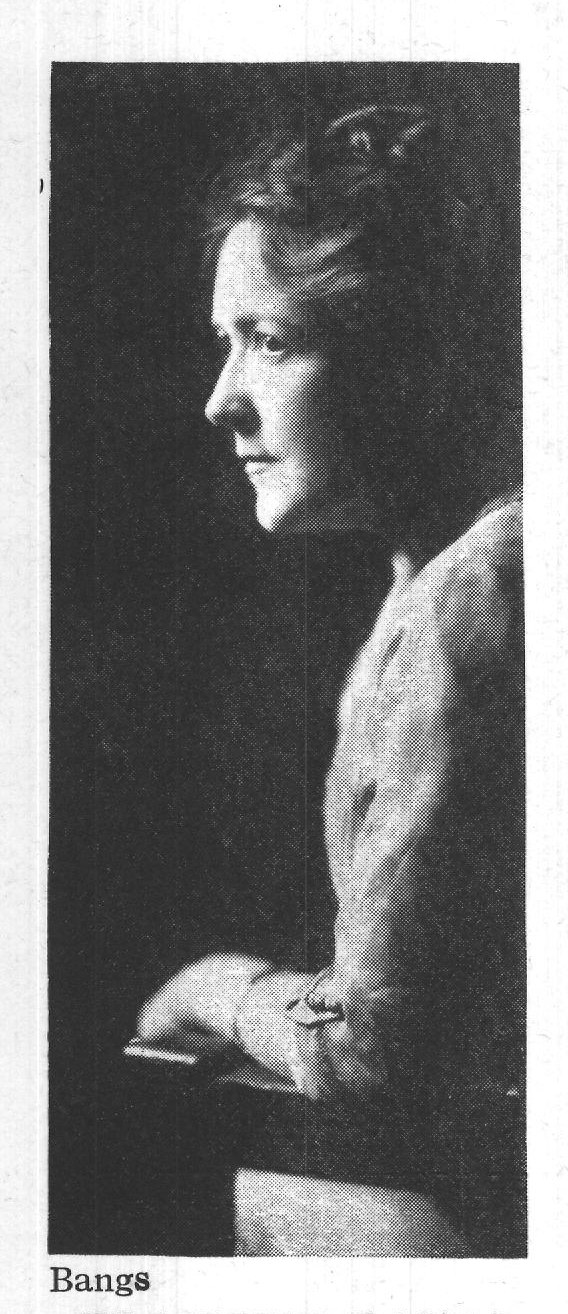
Blanche Bates

ONE NIGHT STAND SALAD
Sardines broken up, tomatoes peeled and quartered, one head of lettuce, carefully and deftly mixed with a French dressing made from the sardine oil. 20 She Manakabs
A one-line recipe that assumes you know how to build a French dressing. The proportions are left entirely to the cook, so treat the following as a working scale rather than a correction.
- Working proportionsOne 3.75-oz tin of sardines, two medium tomatoes and one head of lettuce make two generous plates or four side servings. That ratio keeps the fish as seasoning rather than the bulk of the dish.
- The dressing is the pointFrench dressing here means oil, vinegar, salt and pepper whisked together — not the sweet orange bottled dressing that later took the name in America. Use the drained sardine oil as the fat, roughly three parts oil to one part wine vinegar, and add a little olive oil if the tin yields less than you need.
- Sardine oil variesMany tins of this period were packed in olive oil, though cheaper oils such as cottonseed were also used; much of what is on the shelf now is soybean or sunflower oil, and some are in water or tomato sauce. Buy an olive-oil pack if you want the richest version of the dressing. Skip the oil from a mustard or hot-sauce tin.
- Peeling the tomatoesScore the skins, thirty seconds in boiling water, then into cold — the skins slip off. Worth doing, since unpeeled skins curl away from the dressing.
- "Deftly mixed"Sardines fall apart if you stir them. Dress the lettuce and tomato first, then fold the broken fish through at the last moment so it stays in recognizable pieces.
- SaltTinned sardines are already salty and the oil carries that salt into the dressing. Season the vinaigrette lightly, taste the finished salad, and adjust at the table.
- LettuceA head means a crisp one — romaine or a firm iceberg-type. Soft leaf lettuces collapse under an oily dressing and the weight of the tomato.
- Stray text"Bangs" and "20 She Manakabs" appear to be stray text from the page rather than part of the recipe.
Blanche Bates was one of David Belasco's biggest names, and she knew the road in an era when a touring company might play a different theater every night, living out of trunks and hotel dining rooms. The "one-night stand" of the title is trade slang for exactly that: a town booked for a single performance. The recipe reflects the constraints honestly you you can buy anywhere in season, a tin that keeps well on a shelf, and a dressing improvised from the packing oil so nothing is wasted and no larder is required. Celebrity cookbooks of this kind, sold for charity or as promotional souvenirs, are generally associated with the turn of the twentieth century, and the contributions were often less about cooking than about personality; this one manages to be both a joke and a genuinely serviceable supper.