Home › Y › Clara Kimball Young
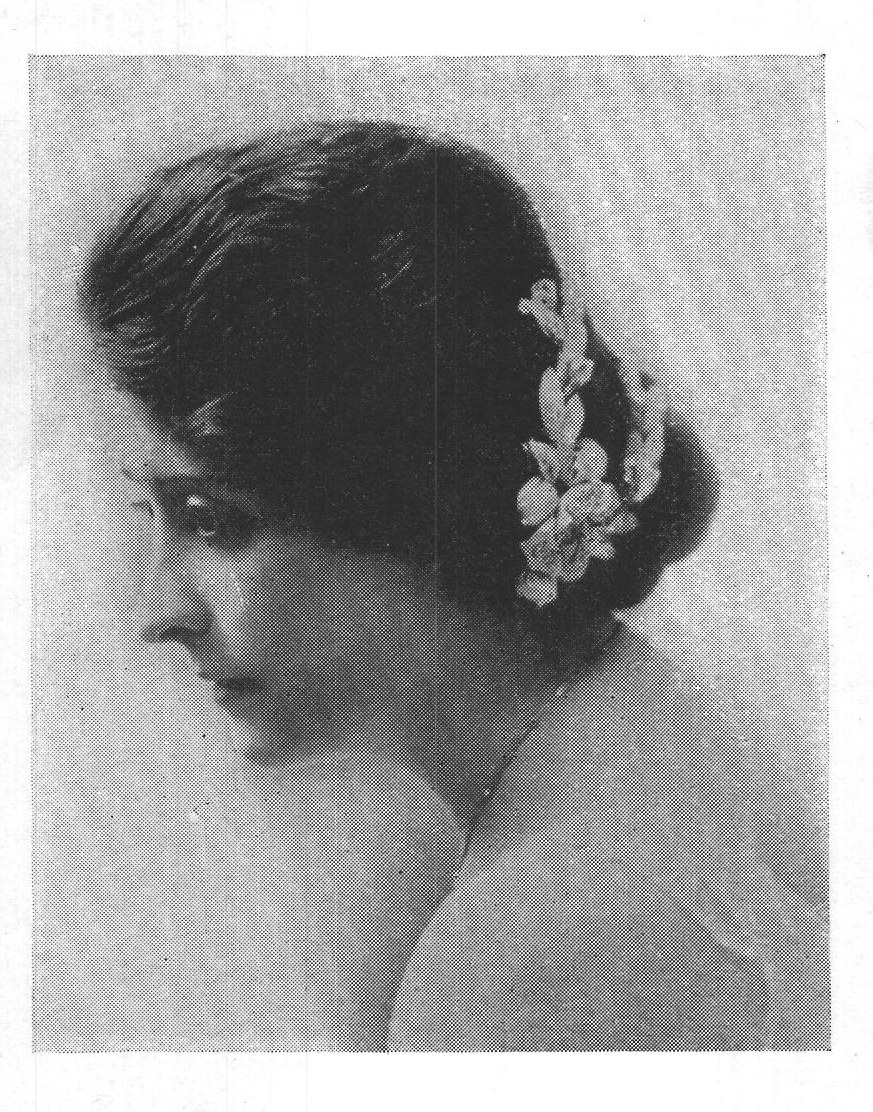
Clara Kimball Young
CHOCOLATE PLUM PUDDING
1 envelope Knox Sparkling Gelatine 3/4 cup cold water 1 cup sugar ½ teaspoonful vanilla 1 cup seeded raisins 1/4 cup sliced citron or nuts, as preferred 1/2 cup currants 1½ squares chocolate 1 pint milk Pinch salt 1/2 cup dates or figs, if desired Soak gelatine in cold water five minutes. Put milk in double boiler, add melted chocolate, and when scalding point is reached add sugar, salt and soaked gelatine. Remove from fire and when mixture begins to thicken add vanilla, fruit and nut meats. Turn into mold, first dipped in cold water, and chill. Remove to serving dish and garnish with holly. Serve with whipped cream, sweetened, and flavored with vanilla.
Yours merrily,
A molded gelatine dessert dressed as a plum pudding — no steaming, no suet, and no long-keeping brandy. It works, provided the gelatine is fully dissolved and the fruit added at the right moment.
- The stray heading"SHAD ROE-CHAFING DISH" appears to be a stray line carried over from an adjacent page or running head; it has nothing to do with this dessert. Ignore it.
- One envelope of gelatineA Knox envelope then and now is about 1/4 oz, roughly 2¼ to 2½ teaspoons of powder, conventionally reckoned to set about 2 cups of liquid. Here the milk and the soaking water together come to nearly 2¾ cups, so expect a soft rather than a firm unmolding set. Soak it in the 3/4 cup cold water until it looks like wet sand, then stir it into the hot milk off direct heat until no grains remain on the spoon.
- Squares of chocolateA square meant 1 oz of unsweetened baking chocolate, so 1½ squares is 1½ oz. Modern bar chocolate at 60–70% cacao already carries sugar; if you substitute, cut the cup of sugar back or the pudding will be cloying.
- Scalding pointAbout 180F — small bubbles at the edge of the pan, steam rising, no rolling boil. Boiling is not a disaster for gelatine at this strength but it will scorch chocolate against the sides of a thin pan, which is why the double boiler is specified.
- When to add the fruitThis is the hinge. Add raisins, currants, citron and nuts only when the mixture has thickened to the consistency of unbeaten egg white — usually 45 to 60 minutes in the refrigerator with a stir or two. Added to hot liquid, the fruit sinks and you get a dark jelly with a fruit brick at the bottom.
- CitronCandied citron peel, sold mainly around the holidays. Candied orange peel is the closest everyday substitute; ordinary mixed candied "fruitcake" fruit is sweeter and softer.
- Molding and unmoldingRinsing the mold in cold water helps the pudding release. Chill at least 4 hours, or overnight. To turn out, dip the mold in warm water for 10 seconds and invert onto a plate.
- The hollyDecorative only. Holly leaves and berries are toxic and were never intended to be eaten; lift the sprig off before serving, or use a candied cherry and a mint leaf instead.
- YieldA pint of milk plus fruit fills a 1½-quart mold and serves six to eight in small portions — it is rich, and the whipped cream is not optional so much as structural.
Molded gelatine desserts pretending to be plum pudding were a common trick in the 1910s and 1920s, the point being to put something dark, fruited and festive on a Christmas table without a week of steaming or a bowl of aged suet batter. The Knox company pushed the idea hard, giving away recipe booklets with the granulated gelatine that had made setting a dessert a matter of one envelope rather than hours of simmering calves' feet. That an actress's contribution to a cookbook names the brand in the ingredient list is itself the story of a time before where the trademark was part of the recipe. Clara Kimball Young's own moment was brief and roughly parallel: a star of the late 1910s whose name, like the booklet's, belonged very specifically to its decade.