Home › The Renaissance of Cookery › The Renaissance of Cookery: French
The Renaissance of Cookery: French
Representations of the sun and the moon were among the oldest and most common signs both on the Continent and in England, the sixteenth-century French poet Désiré Arthus writing in his "Loyaulté Consciencieuse des Taverniers": "Sur les chemins des grands villes et champs, Ne trouverez de douze maisons l'une, Qui n'ait enseigne d'un soleil, d'une lune.
Tous vendant vin, chascun à son quartier." (On roads that wind through town and field, Not one in twelve but flaunts the shield Of sun or moon, whose beams benign Proclaim an inn dispensing wine.) Early in 1800 the rue Vivienne was celebrated for its numerous artistic signs, some of which were sus- Vieux Dubits vieux gabens.. (Cris de Fares) 11.
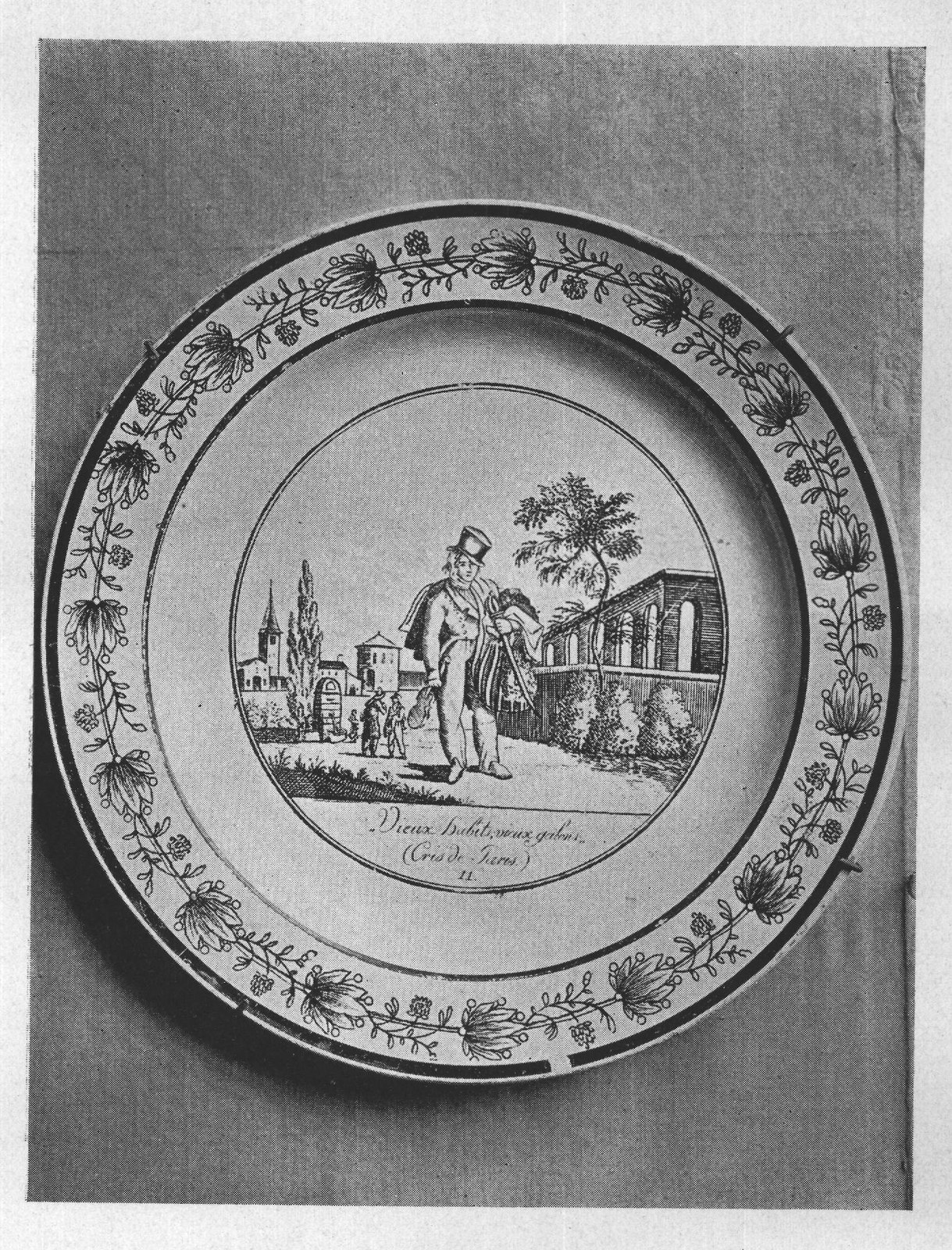
THE CRIES OF PARIS: "OLD CLOTHES, OLD LACES!"
Facsimile of an old French plate pended from the lintels, and others painted on the door-posts and window-frames. These, with the picturesque street-criers and the olden sun-dials, have gradually become more and more a thing of the past in the French capital, though they still add to the charm and quaintness of some of the old provincial towns, where modern ways have been more slow to intrude. How, of a gusty day or on the rising of the wind, the old signs creak on their rusty hinges in the dark vaulted streets, telling of the roysterings that have been held within of the flashing of rapiers and clash of swords, the draining of bumpers and clink of louis d'or!