Home › Village Receipts › Cruller Balls
Cruller Balls
One cup of sugar, three eggs, one pint of milk, flour to make a batter stiff enough for a spoon to stand up, two teaspoons of baking powder.
— Miss M. Edith White
Flavor with nutmeg.
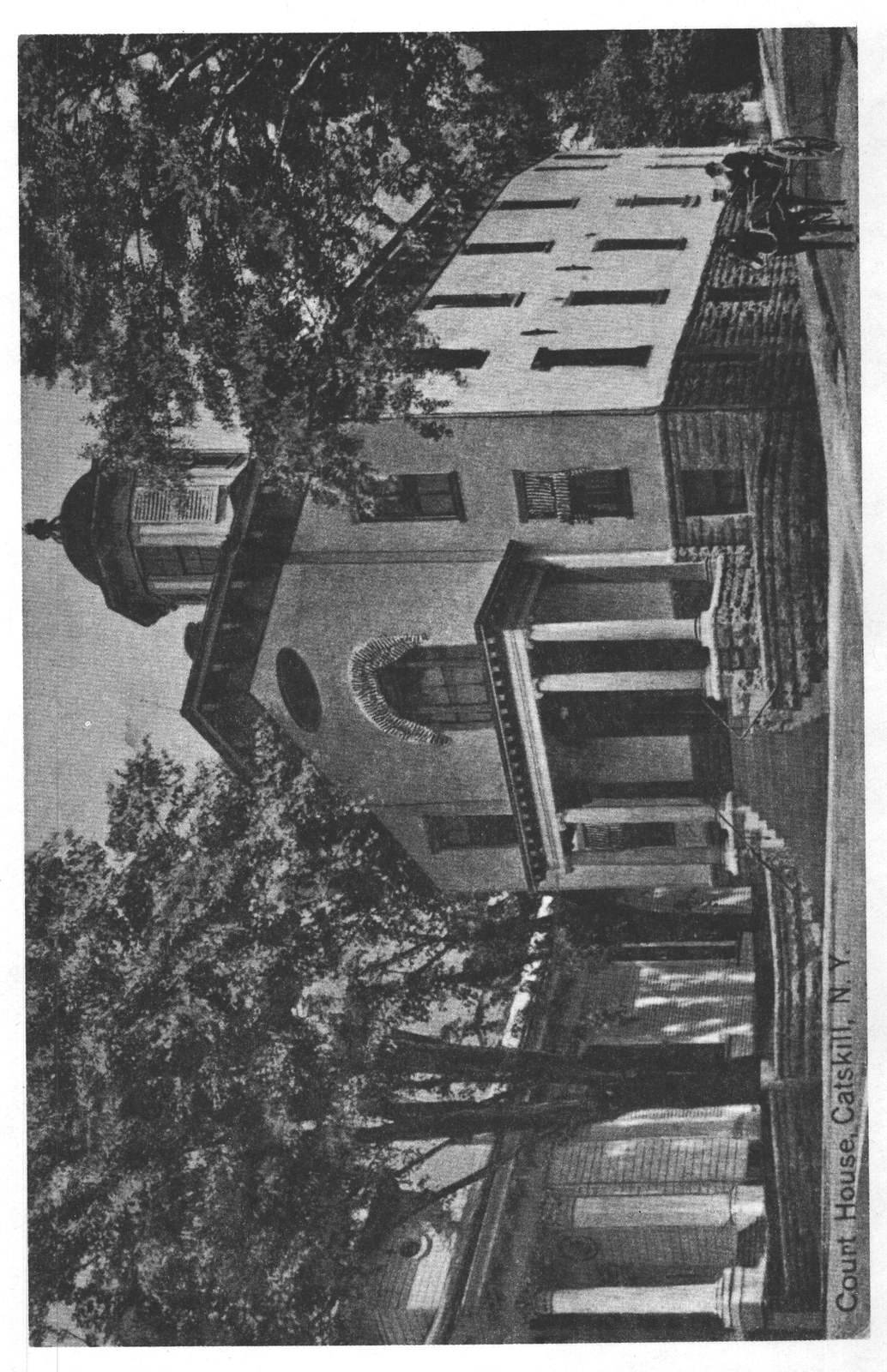
Court House, Catskill, N. Y.
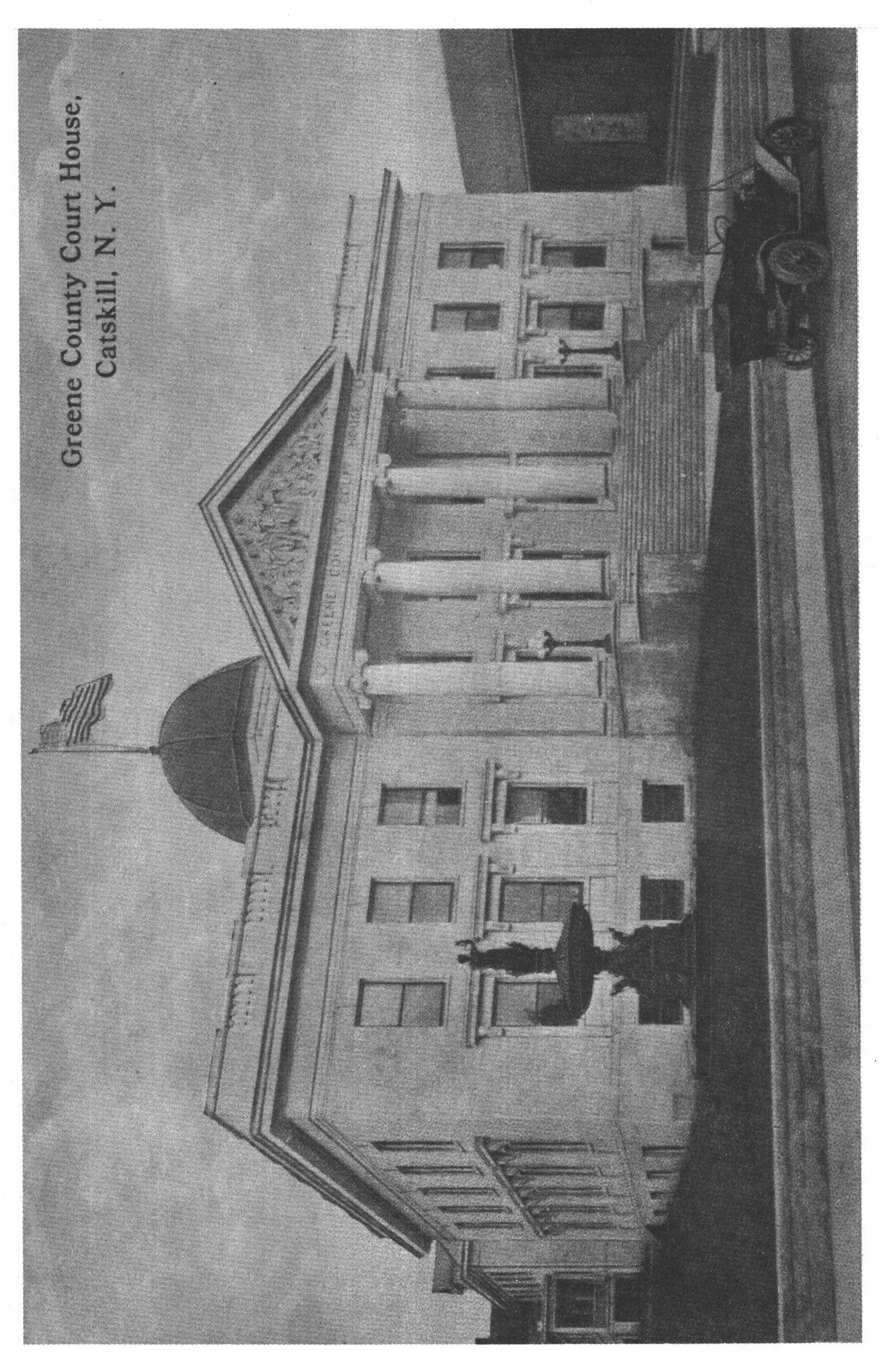
Greene County Court House, Catskill, N. Y.
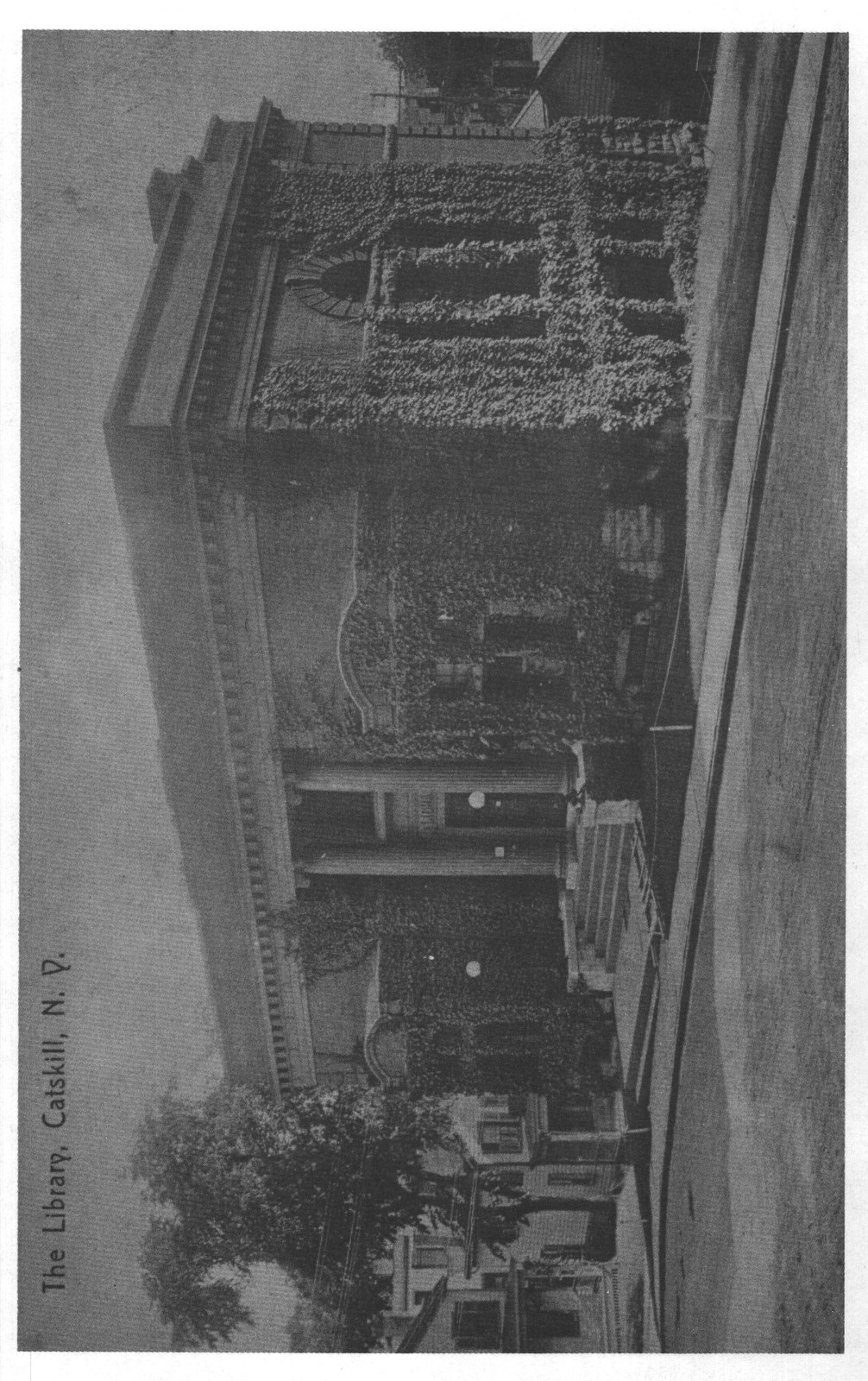
The Library, Catskill, N. P.
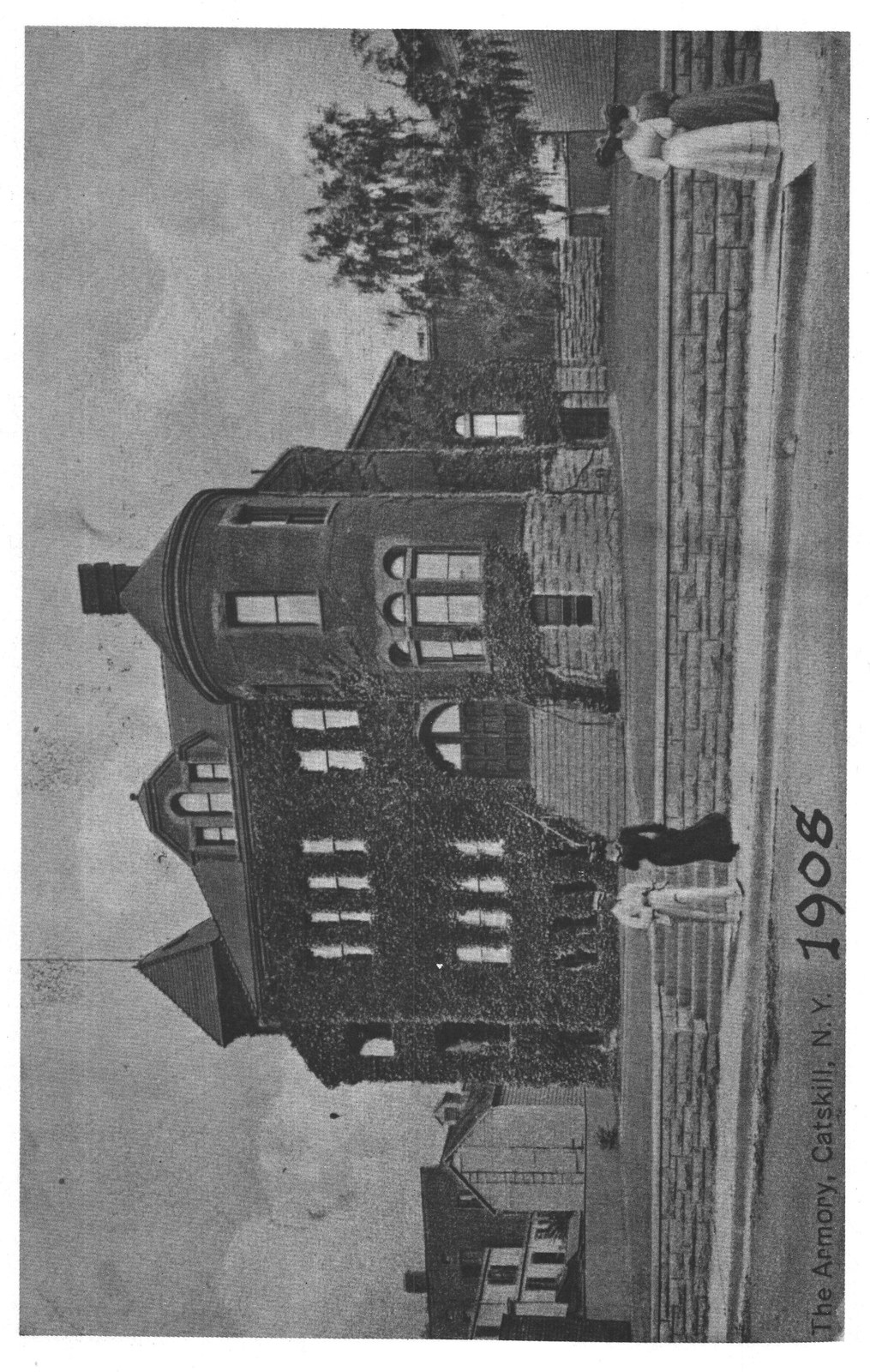
The Armory, Catskill, N.Y. 1908 HUDSON RIVER. The Point, Catskill, M. Y.
A doughnut-hole batter of the drop kind, not a rolled and cut dough. The receipt gives ingredients and nothing else, so the frying is left entirely to the cook.
- The missing instructionNothing here says to fry, but cruller balls are dropped by the spoonful into deep hot fat, about 365F, and turned as they brown. Two to three minutes total is enough for a walnut-sized ball; larger spoonfuls will color outside before the center sets.
- MeasuresOne pint of milk is two cups. With one cup of sugar and three eggs, expect to work in roughly 4 to 5 cups of flour before the batter reaches the described stiffness.
- The spoon test"Stiff enough for a spoon to stand up" is the hinge. A batter that slumps spreads and soaks fat; one that holds a spoon upright drops in a rough ball and rises. Add flour in small additions at the end, since the point of stiffness arrives quickly.
- Baking powderIn 1908 much household baking powder was single-acting and lost lift on standing. Modern double-acting powder means the batter can rest a few minutes without harm, but it should still be fried the same day it is mixed.
- NutmegGrate it fresh from the whole seed; preground is a duller thing. The receipt names no quantity, so start with half a teaspoon freshly grated and taste the batter.
- Frying fatThe period fat would have been lard or beef suet. Any neutral oil with a high smoke point works; keep at least three inches of depth so the balls float and turn themselves, and let the fat recover temperature between batches.
- Yield and finishingAbout three to four dozen small balls. Drain on paper and roll in granulated or powdered sugar while still warm; they are best within a few hours and go leaden by the next day.
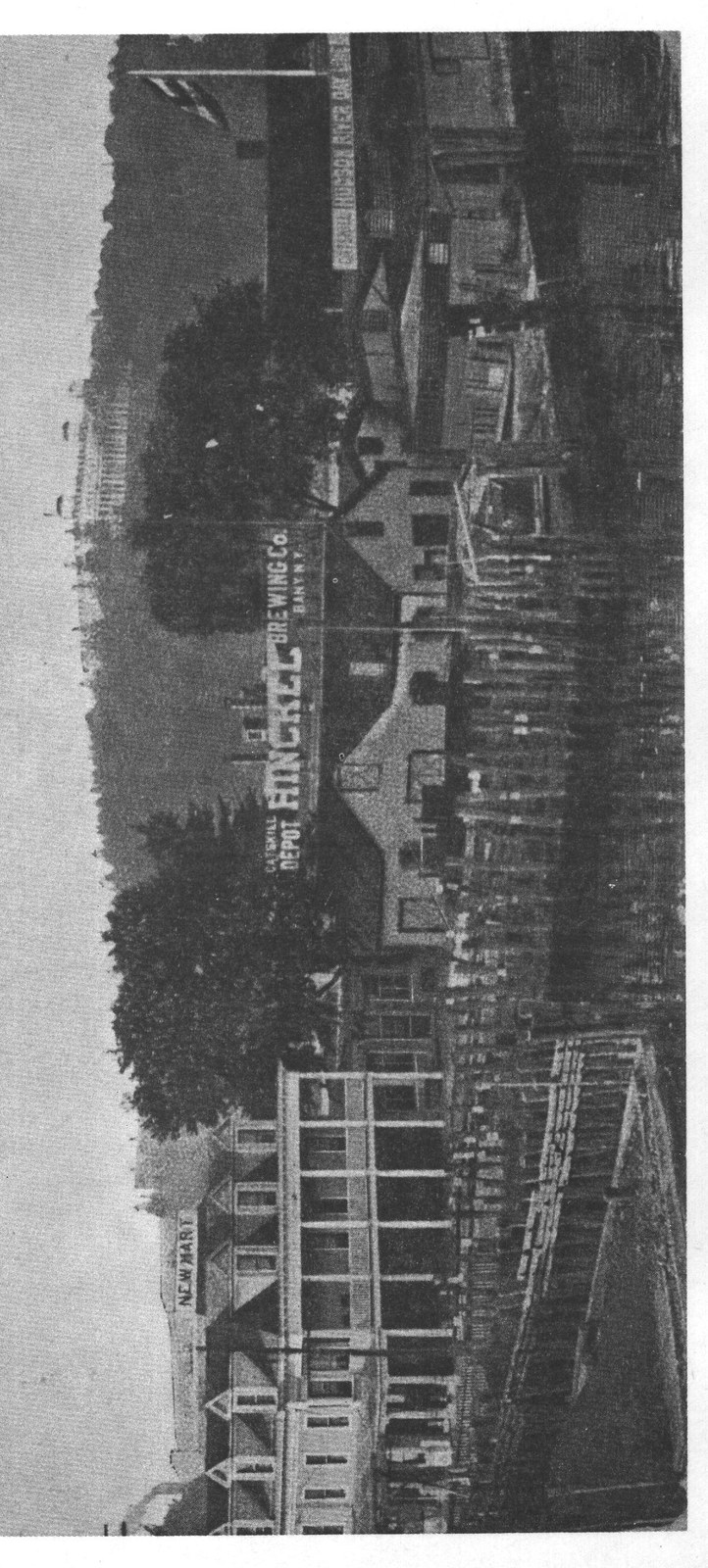
- The trailing textThe lines about the Court House, Library, Armory and Hudson River are captions from photographs printed on the same page of the original book, not part of the receipt.
Crullers came into American cooking through the Dutch settlements of the Hudson Valley, where krul — a curl — is usually given as the source of the name, and where the Dutch olykoek, the oil cake, is often cited as an ancestor of the American fried doughnut. By 1908 the Catskill kitchens contributing to this book had two distinct traditions under the one name: the rolled, cut, twisted cruller, and this looser drop batter fried in balls, which asks less skill and no rolling pin. The book appears to be a locally compiled collection, each receipt signed with a contributor's name and interleaved with photographs of Catskill landmarks, and it records exactly the kind of shorthand that worked when everyone reading already knew what a kettle of hot fat looked like.