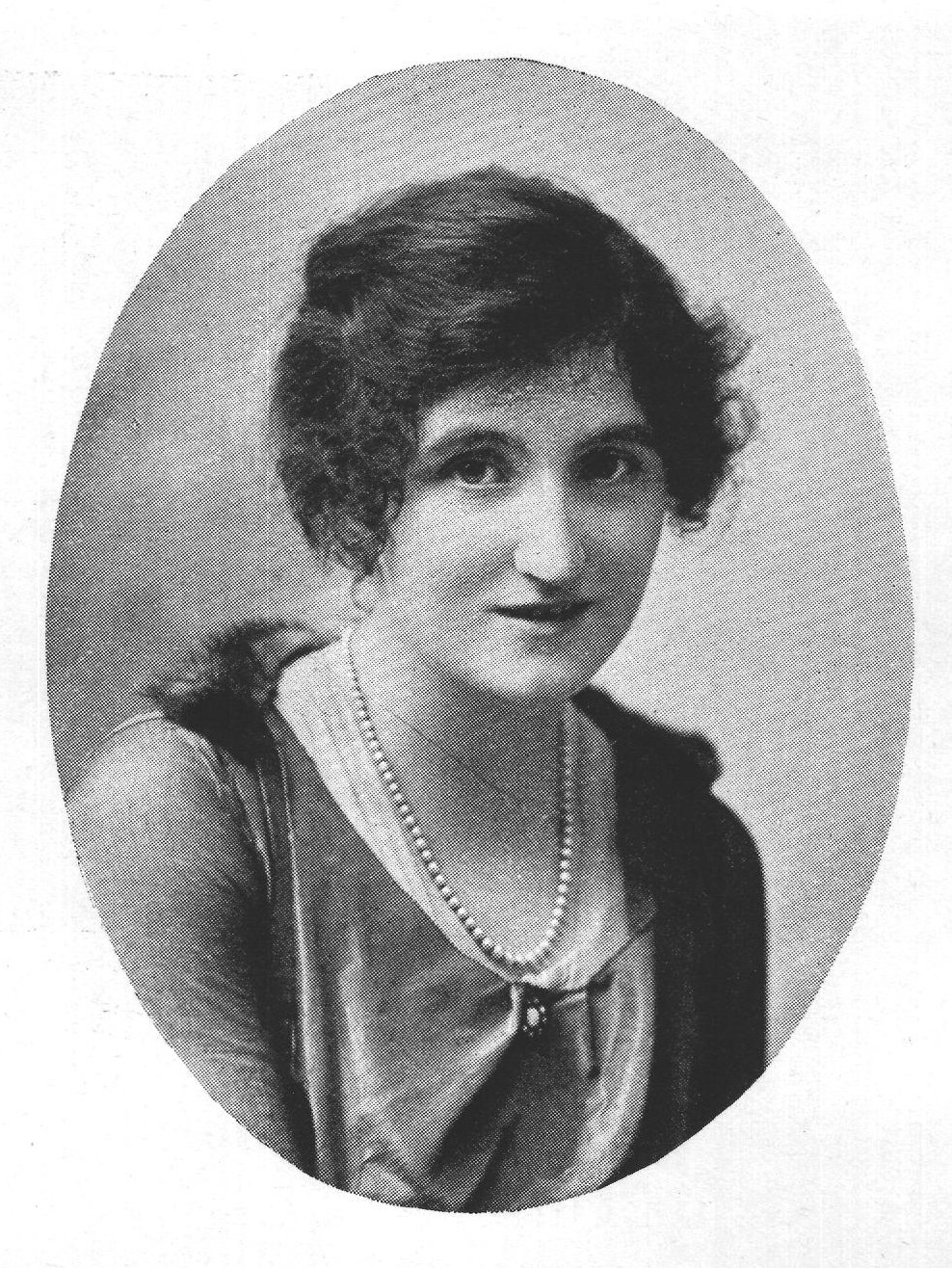
Beatrice Terry

One package of Knox gelatine dissolved in two teacupfuls of cold water, one teacupful of sugar, one-half teacupful of lemon juice and one quart of boiling grape juice. Strain through a thin cloth and pour in molds. When congealed serve with whipped cream. This amount will serve twelve persons.
Yours truly,
A straightforward moulded grape jelly of the sort that closed a great many turn-of-the-century dinners. The heading "Philadelphia Scrapple" is a stray line from the neighbouring page and has nothing to do with the dish.
- The hinge: bloom, then dissolveThe gelatine must sit in the cold water until it swells and goes opaque, five to ten minutes, before the boiling grape juice goes in. Granules dumped straight into hot liquid clump and never fully hydrate, which is what produces a jelly with soft streaks in it.
- "One package of Knox" is ambiguousA modern box holds four quarter-ounce envelopes, an ounce in all, and it is not clear that a period "package" held the same amount. For the roughly six cups of liquid here something in the region of an ounce of granulated gelatine would be needed; a single modern envelope will not set it. Judge by weight rather than by "package."
- TeacupfulA teacup of the period is smaller than a modern measuring cup, and is often reckoned at about 3/4 cup (6 fl oz), though the measure was never standardised. On that reading the recipe wants roughly two cups of water, one cup of sugar and half a cup of lemon juice.
- Grape juiceThis almost certainly means bottled unfermented juice, not wine and not a purple cordial; in America that would usually have been Concord. Sweetened commercial juice will make the full cup of sugar too much; taste the warm mixture before moulding and cut the sugar if needed.
- Don't boil the gelatineThe instruction is to pour boiling juice onto the dissolved gelatine, not to bring the combined mixture back to a boil. Prolonged boiling weakens the set.
- Straining and clarityStraining through a thin cloth catches undissolved granules and grape sediment; it is what gives the jewel-clear result the recipe assumes. Skim any foam off the surface before it sets.
- Setting and unmouldingChill four to six hours, or overnight for a large mould. Rinse the mould with cold water before filling and dip it briefly in warm water to turn out.
- YieldTwelve, as stated, in small individual moulds with whipped cream.
Celebrity cookbooks compiled from actors, singers and other public figures were a staple of charity fundraising in the early twentieth century, each contributor sending in a favourite receipt over a signature — which may well explain the "Yours truly" left dangling at the end here, though the page itself does not establish what sort of volume this is. The dish itself belongs to the brief, bright era when packaged granulated gelatine turned an aristocratic kitchen labour into a domestic convenience: before it, cooks made jelly by simmering calves' feet or isinglass for hours and clarifying the result. Charles Knox's company, founded in the 1890s, sold gelatine in pre-measured packets and pushed moulded desserts hard through free recipe booklets, and bottled unfermented Concord grape juice — associated with the temperance movement and with communion use — was widely available by the same period. A clear grape jelly served with whipped cream was therefore both fashionable and entirely respectable, which is much what one would want from a contribution to a subscription cookbook, if that is what this is.