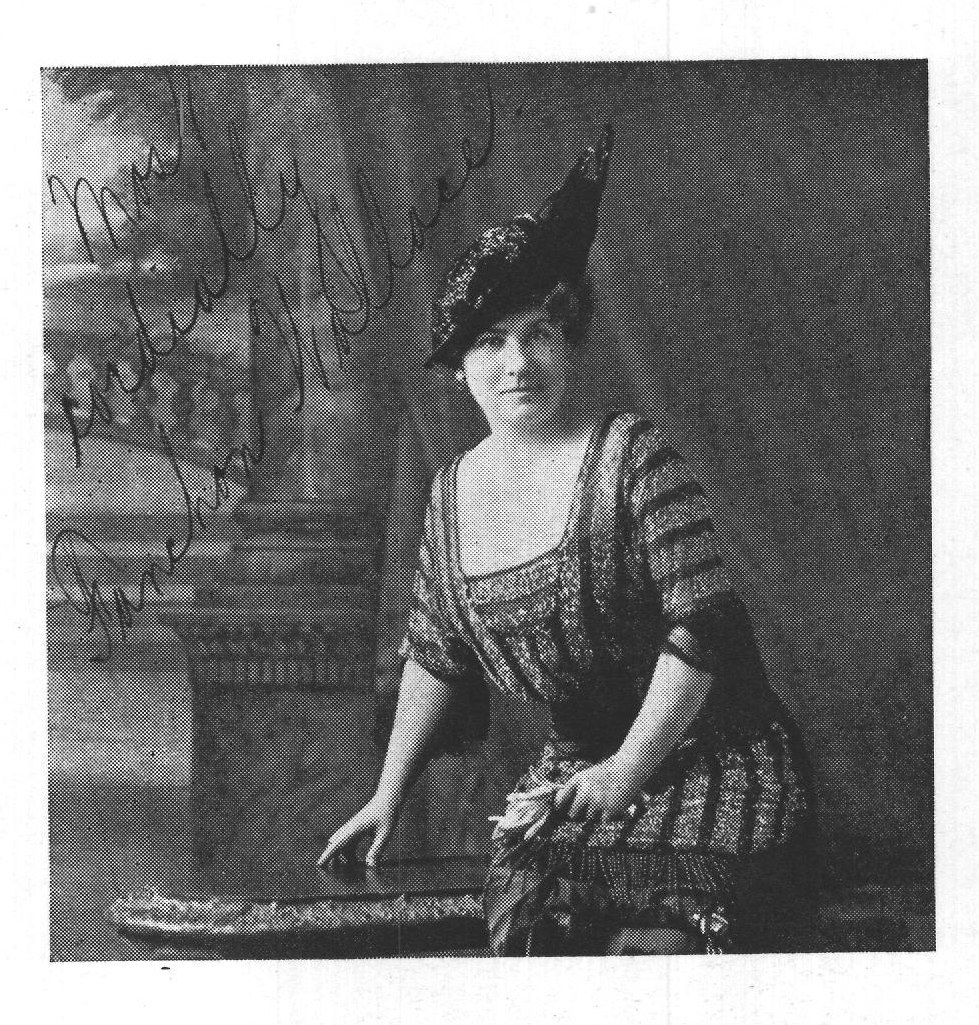
Fanchon Wallace

PHILADELPHIA SCRAPPLE
1 cleaned pig's head 2 cupfuls of cut onion 2 quarts of corn meal 1 quart of buckwheat 5 tablespoonfuls of salt 1 tablespoonful of thyme 1 teaspoonful of sweet marjoram 1 teaspoonful of pepper 1 tablespoonful of summer savory 1 teaspoonful of sage Boil head in five gallons of cold water; add onion, and boil until meat falls from bone. Strain stock.
Chop meat and tongue, which has been skinned; return to stock, and add corn meal slowly, stirring constantly until it begins to thicken; add buckwheat, seasonings, and boil one hour. Brush pans with drippings; pour in mixture; smooth tops and cool. Cut in half-inch slices; dip in flour, and fry.
A full butchering-day batch, scaled for a household that has just killed a pig. Everything here works in a modern kitchen, but the quantities and the stirring are the two things that will surprise you.
- Yield, first of allA pig's head plus two quarts of cornmeal and a quart of buckwheat will give a very large batch, likely twenty pounds or more, enough to fill six or more standard loaf pans. Quartering the recipe gives a manageable batch and still leaves plenty for the freezer.
- Sourcing the headA split, cleaned pig's head is a special order from a butcher, though it is cheap when you can get it. Ask for it split, with the brains removed and the ears and snout left on; if a whole head is impossible, four to five pounds of pork shoulder plus two trotters for gelatin gives a similar body, though less of the traditional flavor.
- The potFive gallons of water is 20 quarts, so the pot must be larger still to take the head as well, and the head must be covered. Start in cold water so the scum rises and can be skimmed before the boil settles in.
- Buckwheat means flourA quart of buckwheat here is most likely buckwheat flour rather than groats. It is there for flavor and for the dark color; whole groats would give a much coarser loaf.
- Stirring is the hingeCornmeal mush this thick scorches the instant it sits still, and a burnt bottom taints the whole batch. Add the meal in a thin stream, stir constantly with a long flat-ended spoon or paddle that reaches the corners, and keep the heat low once it thickens. The full hour of gentle bubbling is what cooks the raw starch out; underdone scrapple tastes chalky.
- Skim the fat, keep someStrain the stock and let the fat rise, then skim most of it off. Scrapple wants some fat for flavor and for frying, but a mush made from unskimmed head stock will weep grease in the pan.
- Setting and slicing"Cool" means overnight in the refrigerator, uncovered until the surface firms, then wrapped. Only a fully chilled loaf will cut into clean half-inch slices; warm scrapple collapses.
- FryingThe flour dip is what gives the crust. Use a heavy pan, a thin film of hot fat, and leave the slices alone for several minutes a side or they fall apart. Medium-high heat, not hot enough to smoke.
- Seasoning to tasteFive tablespoons of salt is calibrated to the full batch and to unsalted stock; taste the mush before it goes into the pans, since the seasoning cannot be corrected once it sets.
Scrapple is the Pennsylvania German panhaas.