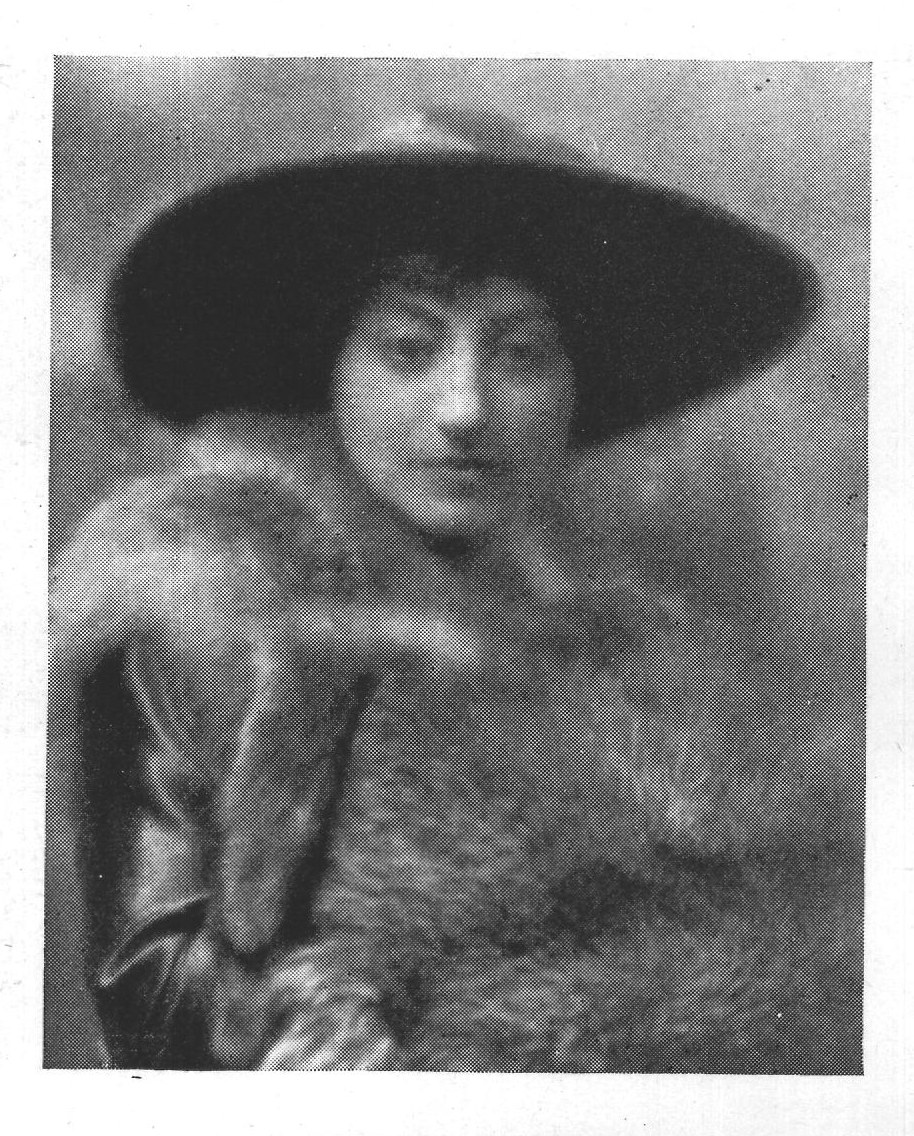
Louise Drew

EGGS BEURRE NOIR
Fry 2 eggs, sunny side up 3 tablespoons butter 1 tablespoon Worcestershire sauce (pour over eggs) Go to it!
Bangs Five ounces flour, seven ounces oatmeal, one ounce sugar, three ounces butter, one-quarter teaspoonful baking powder, one egg; melt the butter, mix the flour, sugar, oatmeal and baking powder together; stir in the melted butter. Break the egg into a teacup, beat it up with a little water and stir it into the other ingredients to form a paste. Turn the paste on to a board and roll it out very thin, cut it into rounds with a cutter or tumbler, place the biscuits on a greased tin and bake twenty minutes.
Two unrelated dishes share the page: a two-minute egg supper and a set of English-style oat biscuits given by weight. The biscuit dough is the fussier of the two, and neither gives an oven temperature.
- Beurre noir means browned butterThe name promises butter cooked to a nut-brown, nearly black stage, but the instruction here is only "3 tablespoons butter." Melt it in a small pan over medium heat until the milk solids darken and smell toasted, then add the Worcestershire off the heat and pour it over the eggs. Poured on unbrowned, it is simply melted butter.
- Proportions on the eggsThree tablespoons of butter and a full tablespoon of Worcestershire for two eggs is aggressive by current taste. Half that quantity of each serves one person without drowning the yolks.
- "Sunny side up" and the yolkThe eggs are fried on one side only and the yolks stay liquid. If you are cooking for anyone who should avoid a loose yolk, cover the pan and let the whites set through until the yolk films over.
- Ounces are weight, not volumeThe biscuit list is British-style baking by weight: 5 oz flour is about 1 cup plus 2 to 3 tablespoons, 7 oz oatmeal about 2 1/4 cups of rolled oats, 1 oz sugar about 2 tablespoons, 3 oz butter 6 tablespoons. Weighing is easier and more accurate than converting.
- Which oatmeal"Oatmeal" in a recipe of this vintage usually means medium or fine ground oats rather than modern large flakes. Rolled oats work, but pulse them briefly in a food processor if you want the dough to roll thin without tearing.
- The dough is dry on purposeOne egg beaten with "a little water" is all the liquid there is. Add the water a teaspoon at a time until the crumbs just cohere under pressure; a wet dough will spread and toughen. Chill it fifteen minutes if it fights the rolling pin.
- Oven temperatureNone is given. Bake at 350F, and check at 12 to 15 minutes rather than 20 if the rounds are genuinely thin. They should be dry and pale gold, not browned.
- A tumbler for a cutterThe rim of a drinking glass dipped in flour cuts a clean round, and the recipe itself offers it as the alternative to a cutter. The yield depends entirely on how thin the dough is rolled and the diameter of the glass.
- ServingThese are savoury-leaning biscuits in the English sense, closer to an oatcake than a cookie. They suit cheese, butter and marmalade, or tea.
Charity cookbooks assembled from stage performers were a staple of theatrical fundraising in the early twentieth century, and their charm lies in exactly this kind of unevenness: a contribution that amounts to "fry two eggs, pour butter over them, go to it" sits beside a carefully weighed baking formula. The Drew name belonged to one of the American theatre's great acting families, connected by marriage to the Barrymores, so a Drew contribution was worth soliciting whatever it contained. Beurre noir is black butter, French kettchen shorthand for butter cooked past golden until the solids darken, most often served with skate, brains or eggs; classically it is finished with vinegar or capers to cut the fat, and the Worcestershire here does comparable work. The oatmeal biscuits, credited to "Bangs," read as a British recipe: oats outweigh the flour, the leavening is almost nominal, and the result belongs to the oatcake tradition of Scotland and northern England rather than to American cookie baking.