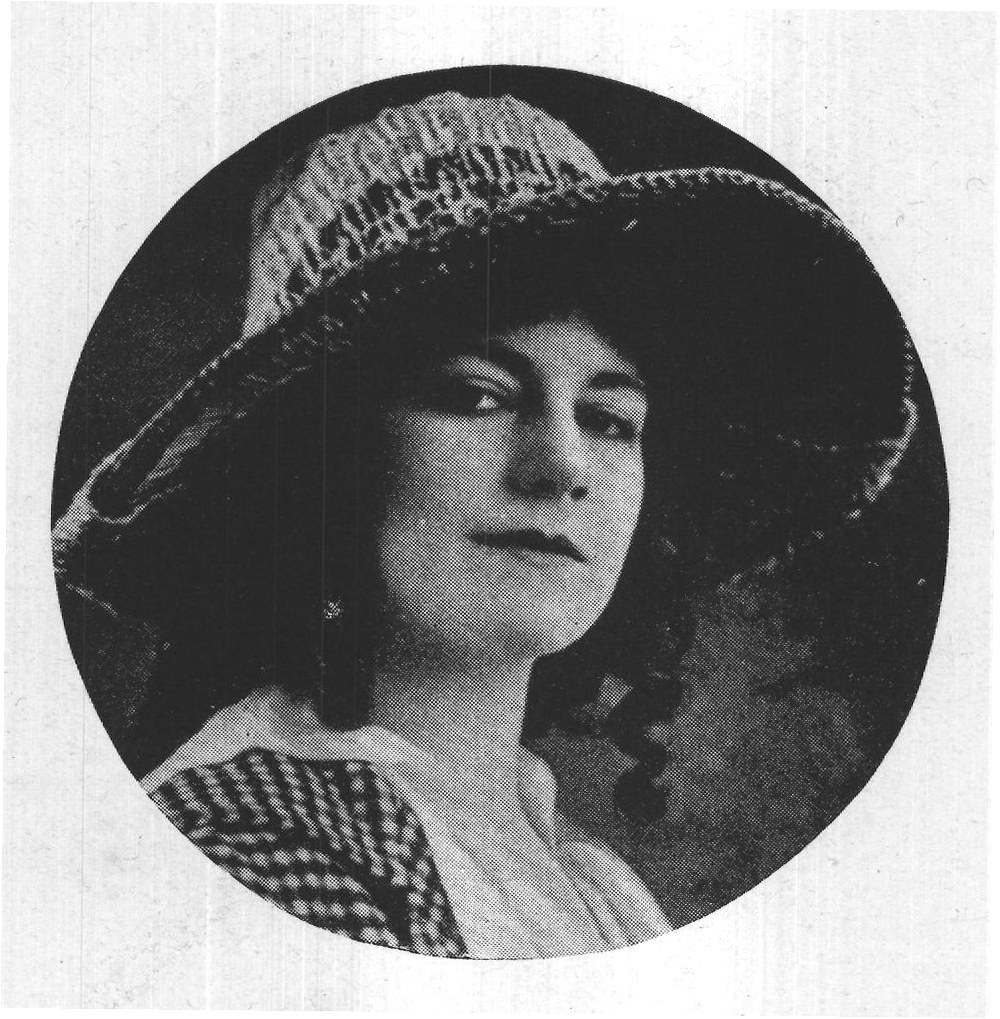
Viola Dana

VELVET MOLASSES CANDY
1 cup molasses 3 cups sugar 1 cup boiling water 1/4 teaspoon soda 3 tablespoons vinegar ½ teaspoon cream of tartar 1/2 cup melted butter Put first ingredients in kettle placed over front of range. As soon as boiling is reached, add cream of tartar. Boil until, when tried in cold water, mixture will become brittle. Stir constantly during last part of cooking. When nearly done add butter and soda.
Put into buttered pan and pull same as molasses candy. While pulling add one teaspoon vanilla, onehalf teaspoon lemon extract, few drops of peppermint or few drops of wintergreen.
Sincerely,
A standard pulled molasses candy of the period, made in a heavy pot on a coal range. The hinge is the cooking temperature: a candy thermometer removes all the guesswork the original leaves in.
- Cook to about 270F, not to true brittleTemperature -- the recipe says to boil until a bit dropped in cold water is brittle, which is the hard-crack stage (about 300F and up); candy taken that far sets fast and glassy and is hard to pull by hand. Most pulled-taffy directions stop lower, around 265-272F, where the thread is firm and just bends before breaking. Note that this is the firm- to hard-ball range; soft-crack proper is 270-290F.
- "Front of range"Period cookbooks use this for the hottest lids, those nearest the firebox. Read it as high heat to bring the syrup to a boil, then a steady medium boil once it is going.
- Use a deep potThree cups of sugar plus molasses will climb, and the soda added at the end foams the whole mass up sharply. A 5- to 6-quart heavy-bottomed pan is not oversized.
- The acids and the sodaVinegar and cream of tartar invert part of the sugar so the candy stays chewy instead of turning grainy; the quarter teaspoon of soda at the end aerates it slightly and gives the pale, opaque "velvet" texture. Neither is optional if you want the intended result.
- MolassesUse ordinary unsulphured molasses. Blackstrap is a different, much more bitter product and was not what a 1916 kitchen meant by molasses.
- StirringStir only in the last stage, as directed. Early stirring drags sugar crystals down the sides of the pan and can seed the whole batch.
- PullingPour onto a buttered marble slab or sheet pan, let the edges cool until you can fold them to the center, and work it with well-buttered hands. Add the flavoring extracts as soon as it is cool enough to handle, since they largely evaporate off if added to hot syrup. Pull until the candy lightens to tan and stiffens, then draw into a rope, cut with buttered scissors, and wrap each piece in waxed paper.
- WeatherPulled candy is hygroscopic and turns sticky on a humid day. Make it in dry weather and store it airtight.
- YieldClose to two pounds of finished candy.
This is essentially the velvet molasses candy printed in Fannie Merritt Farmer's Boston Cooking-School Cook Book, down to the direction to set the kettle over the front of the range and the choice of vanilla, lemon, peppermint or wintergreen for flavoring; by 1916 a contributor asked for a favorite recipe could reasonably send it in as her own standby. Pulled molasses candy belongs to the American taffy-pull tradition, a winter parlor amusement in which the cooling candy was worked in pairs and the pulling itself was the entertainment. The book it appears in, a collection of recipes solicited from stage and screen performers, was published while Viola Dana was under contract at Metro and near the height of her silent-film career.