Mary Boland

Rolank Celebrity
BROILED OYSTERS
Roll oysters lightly in bread crumbs; lay in finewire broiler, baste with butter and brown them lightly over very hot fire. Season with salt and pepper and serve on toast with a little drawn butter or with cream or celery sauce.
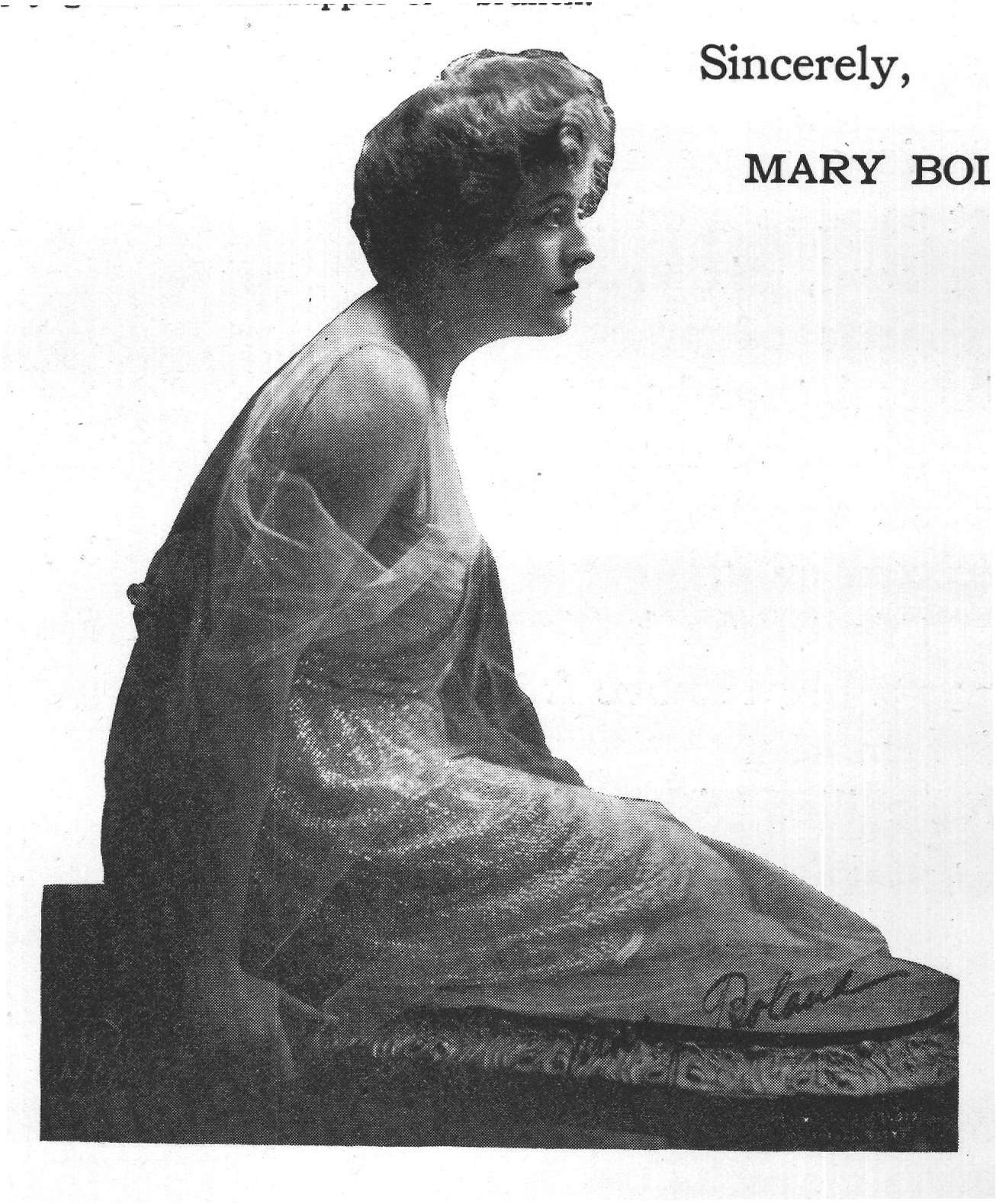
I think cooking is a great art.
A three-line recipe that assumes a coal or wood fire and a hinged wire broiler held over it. The method translates cleanly to a broiler element or a grill, provided the heat is fierce and the oysters come off fast.
- The hinged broilerA "fine wire broiler" is a double-sided wire basket on a long handle, clamped shut so small foods can be flipped over the coals. A perforated grill pan, or a rack set 3-4 inches under a preheated broiler element, does the same job; turn the oysters once with tongs.
- Very hot firePreheat the broiler on high for a full ten minutes, or get a charcoal fire to the point where you cannot hold a hand over it. Moderate heat will steam the oysters in their own liquor and the crumbs will never colour.
- Timing is the hingeShucked oysters need roughly 2 to 3 minutes total, turned once, and are done the instant the edges ruffle and the crumbs are golden. Anything past that and they tighten into rubber and weep their liquor.
- Drain before crumbingThe recipe says roll lightly, which only works on a dry surface. Lift the oysters from their liquor, blot them on a towel, then roll in fine dry crumbs so the coating sticks rather than sliding off in the heat.
- Basting with butterMelt the butter and brush it on rather than dropping cold pats over the fire, which will flare. Clarified butter browns the crumbs without the milk solids scorching.
- Drawn butterIn this period drawn butter is not simply melted butter but a thin white sauce: butter, a little flour, and hot water or oyster liquor whisked smooth and seasoned. Melted butter with a squeeze of lemon is the usual modern substitute.
- Celery sauceA béchamel simmered with chopped celery, then strained or sieved. It was a common nineteenth-century partner for oysters and poultry, and is left unexplained here.
- Quantity and servingNo yield is given. Figure 6 to 8 shucked oysters per person on two slices of buttered toast as a first course or a light supper; buy them shucked in their liquor, or shuck them yourself the same day.
Broiled oysters on toast belonged to the American oyster century, when the beds of Chesapeake Bay and Long Island Sound made shellfish cheap enough to sell from street carts and hotel counters alike, and cookbooks from the 1860s onward carry broiled, fried, scalloped, stewed and pickled versions as a matter of course. Broiling was the quickest of these and the most dependent on the cook's judgment: no batter to hide behind, no liquid to slow the heat, just crumbs, butter and a fire. That it turns up as the contribution of a Broadway and Hollywood comedienne says something about the genre of the celebrity cookbook, which has always preferred a dish that sounds like supper after the theatre to one that requires an afternoon. The choice of sauces — drawn butter, cream, celery — is entirely conventional for the period.