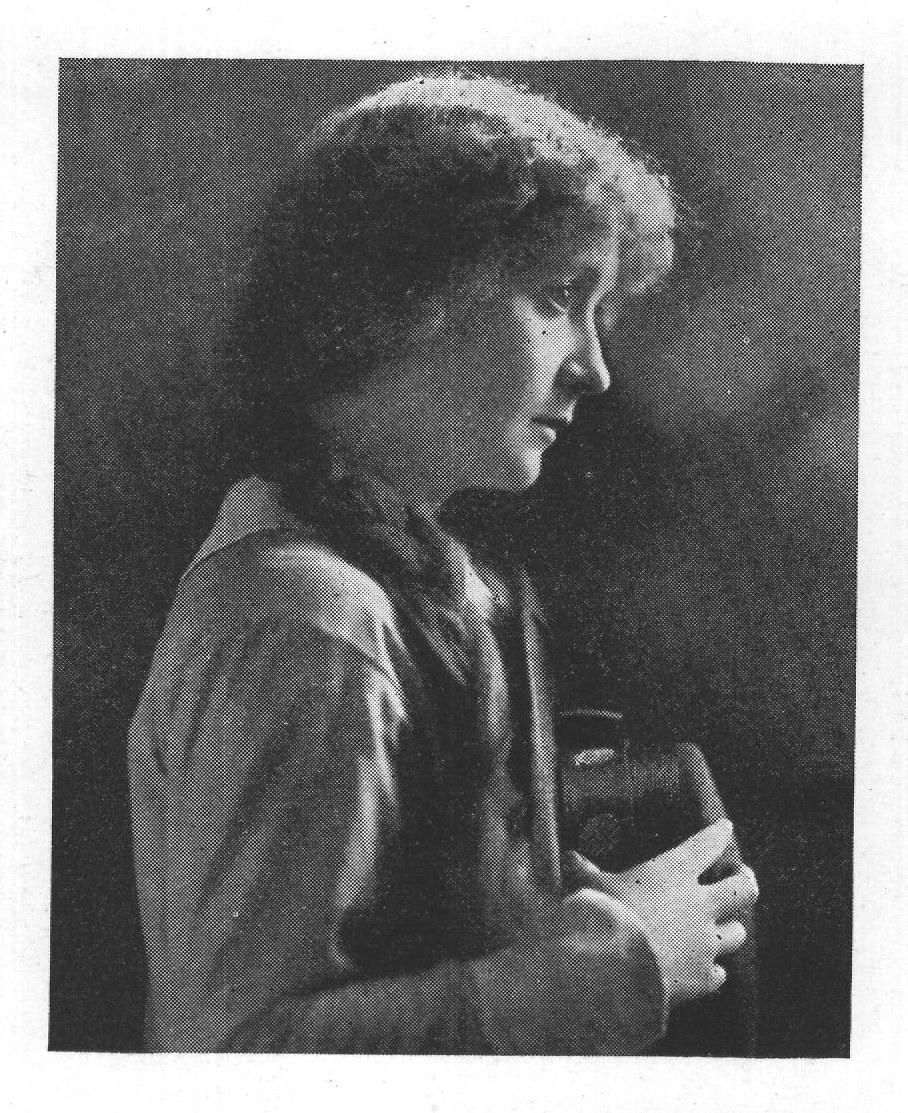
Bessie Barriscale

GERMAN
4 cupfuls diced carrots 2 medium-sized onions 1 cupful cream 3 tablespoonfuls butter
CARROTS
2 teaspoonfuls sugar 2/3 teaspoonful salt 2 teaspoonfuls minced parsley Melt the butter in a saucepan, add the onion, and fry it slowly till golden brown; then add the carrots and sugar, cover closely, and simmer gently for thirty minutes; then add the salt, parsley, and cream; heat and serve at once. If allowed to cook longer, the salt is liable to make the cream separate slightly.
A carrot dish that cooks almost dry, in butter and its own moisture, before cream goes in at the very end. Two details in the original decide whether it works.
- The hinge: cream goes in lastSalt and cream held over heat are liable to separate, exactly as the recipe warns. Add both off the boil, warm through for a minute, and serve — do not hold the pan on the burner or reheat leftovers hard.
- No added liquidThe carrots steam in butter and their own juice under a tight lid. Use a heavy pan on the lowest workable heat and check at fifteen minutes; a thin pan will scorch the sugar and onion long before thirty minutes are up.
- CupfulA standard 8 fl oz cup. Four cupfuls of diced carrot is roughly 1 1/4 lb (about 570 g) trimmed, cut in 1/2-inch dice so the pieces cook evenly.
- CreamUse a heavy or whipping cream (around 30–36% butterfat). Recipes of the period calling simply for "cream" could mean anything from light table cream upward, and the thinner grades are the more likely to break when they meet the salt.
- Onions browned, not softened"Fry it slowly till golden brown" is a real ten to fifteen minutes over low heat. That browning is most of the flavour; rushing it gives a raw, sharp result under the cream.
- Carrot dice, modern carrotsModern carrot varieties are generally reckoned sweeter than older ones. Two teaspoonfuls of sugar on a pound and a quarter is still modest, but taste before adding all of it.
- YieldServes six as a side dish, four generously.
This comes from an early twentieth-century collection of recipes solicited from stage and screen performers, of which Bessie Barriscale — a stage actress who became a leading player in silent films for Thomas Ince — was one of the better-known contributors. The dish itself is a straightforward American rendering of German home cooking: Rahmm ots, sweated in butter with browned onion and finished with cream, a treatment common across German and Austrian kitchens and carried into the United States by nineteenth-century immigration. Its appearance under a plain label of "German" is itself a small period marker; celebrity cookbooks of the era leaned on national tags as shorthand for a style, and such tags are often said to have grown scarcer in American print during and just after the First World War.