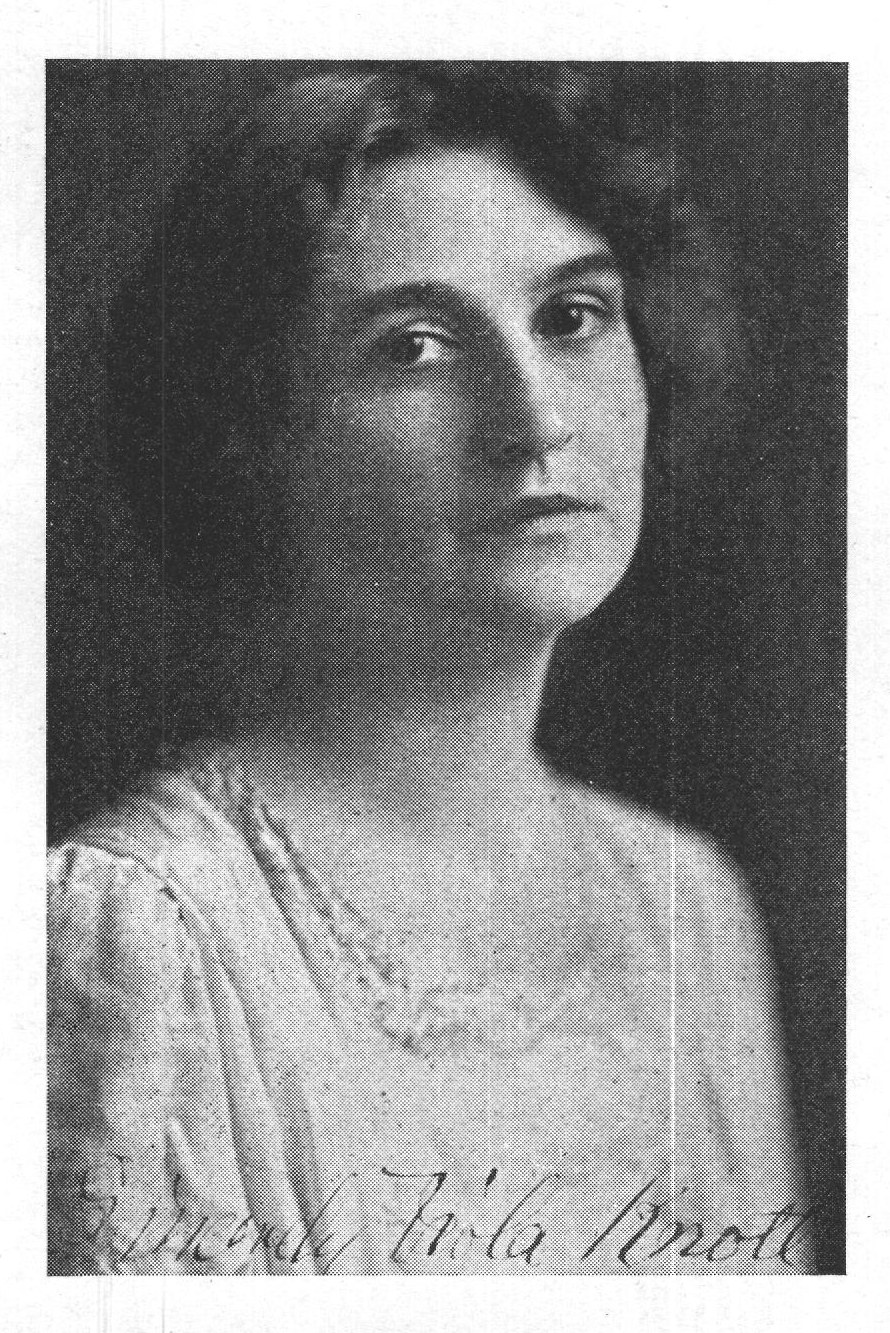
Viola Knott

FRUIT PUDDING
1 large cup "Porto Rico" molasses 3 large cups flour 1 large cup sweet milk 1 large cup chopped suet 1 large cup chopped raisins 1 large cup chopped citron 1 large cup chopped walnuts 1/2 large cup chopped candied ginger 1 large cup chopped figs 2 teaspoons cinnamon 1 teaspoon nutmeg 2 teaspoons bicarbonate soda
This is an ingredient list rather than a set of instructions — the method has been lost in the printing, and the stray line about sifted baking powder belongs to the recipe above it on the original page. What survives is a classic steamed suet fruit pudding, and it can be assembled and cooked by standard practice.
- "1 large cup"Cookbooks of this period commonly worked to a cup of about 8 fl oz, though usage varied from book to book. "Large cup" most likely indicates a generous rather than a levelled cup, but no fixed equivalent is recorded, so do not fuss — a pudding this heavy with fruit is forgiving.
- Porto Rico molassesPuerto Rican molasses was generally reckoned a lighter, sweeter cane molasses than blackstrap. Use a regular unsulphured molasses, not blackstrap, which will overwhelm the figs and ginger.
- SuetBeef suet is the hard fat from around the kidneys and is what gives a steamed pudding its texture. Ask a butcher, or use packaged shredded suet; chop or grate it cold. Frozen grated butter substitutes at some cost to the crumb.
- Citron and candied gingerCitron here is the candied peel of the citron fruit, sold in blocks or diced with holiday baking supplies — not the yellow-fleshed citron melon. Candied ginger should be the sugared stem ginger, chopped fine so it disperses.
- The leaveningTwo teaspoons of bicarbonate of soda is the leavening for this pudding, and it works against the acid in the molasses. No baking powder appears in the ingredient list, so the opening "Royal baking powder. Sift" is stray matter from elsewhere on the page — whether advertising or a neighbouring recipe cannot be told from what survives; ignore it.
- Method, since none is givenMix the dry ingredients, stir in molasses and milk, then fold in suet, fruit and nuts. The quantities are large, so use one very big basin or divide between two moulds, filling each well-greased mould two-thirds full; cover tightly with greased paper and foil or a cloth, and steam over simmering water for 3 to 3 1/2 hours, topping up the water as it goes.
- Yield and servingThe quantities make a very large pudding, enough for a dozen or more servings. Serve hot with hard sauce, a brandy or vanilla custard, or plain cream. Puddings of this type were traditionally kept wrapped in a cool place and reheated by steaming, but this one contains milk and no spirit, so refrigerate it and use it within a few days.
Celebrated Actor Folks' Cookeries (1916) collected recipes solicited from stage performers of the day, arranged alphabetically by name, and its charm lies in what actors actually chose to send in — often the heavy, keepable puddings and cakes of a touring life rather than anything delicate. A steamed suet pudding of this kind descends directly from the English plum pudding, which by the nineteenth century had settled into the form seen here: flour, suet, dried fruit, spice and molasses or treacle, bound with milk and cooked for hours in a cloth or basin over water. The American variation is the molasses, and the specification of "Porto Rico" reflects a period when grocers sold cane syrup by source — New Orleans, Porto Rico, Barbados — each with a recognised sweetness and colour. The reliance on chemical leavening rather than yeast or eggs alone places the recipe in the era of packaged soda, commercially available from the 1840s, and baking powder, from the 1850s; the garbled Royal Baking Powder line at the top is harder to account for, and may belong to the preceding recipe rather than to this one.