Almond Cake
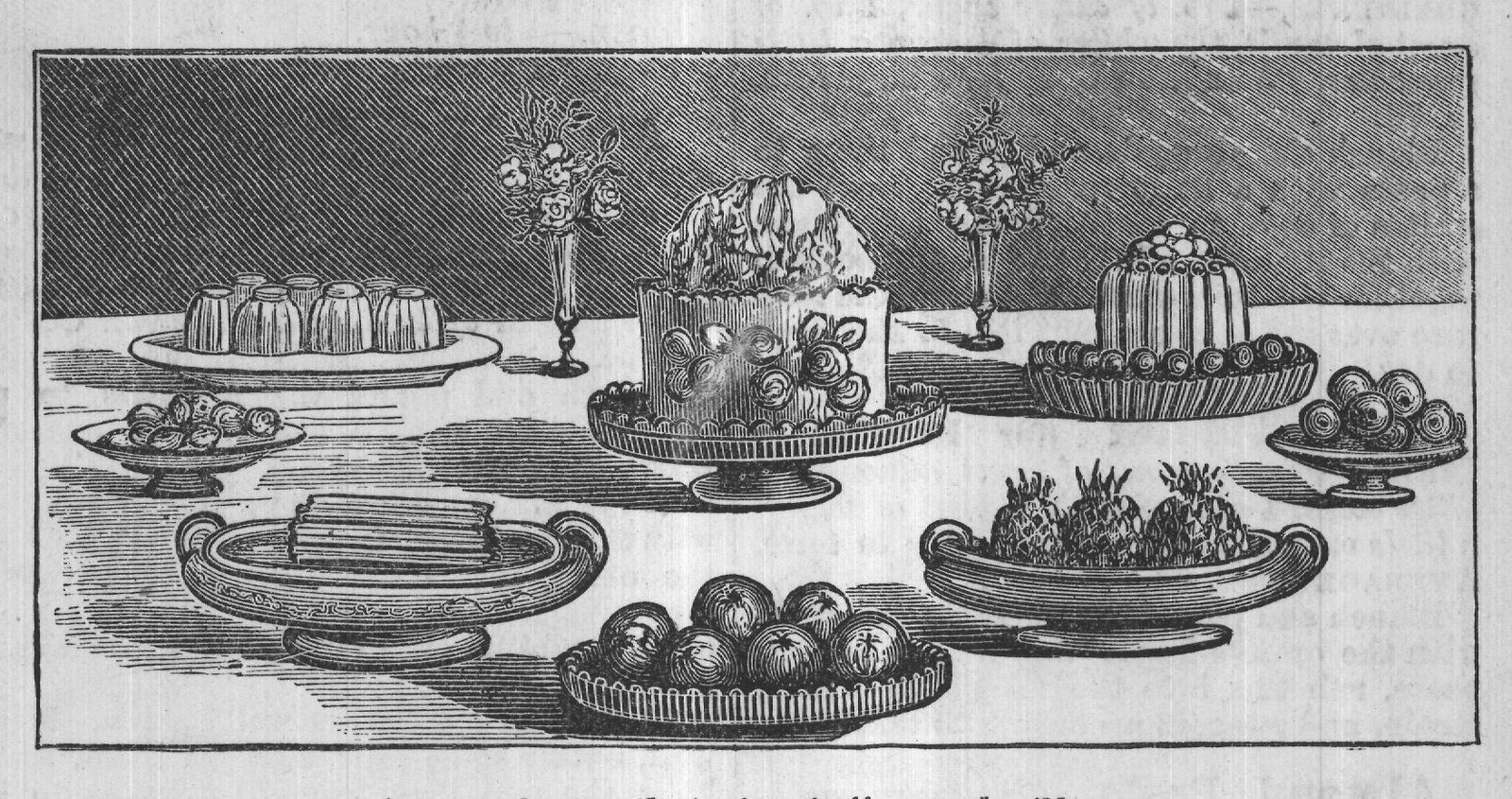
INGREDIENTS. - 1/2 lb. of sweet almonds, 1 3/4 oz. of bitter almonds, 6 eggs, 8 tablespoonfuls of sifted sugar, 5 tablespoonfuls of fine flour, the grated rind of 1 lemon, 3 oz. of butter. AVERAGE COST, 1s. 9d.
ALMOND CHEESECAKES.
Blanch and pound the almonds to a paste; separate the whites from the yolks of the eggs; beat the latter and add them to the almonds. Stir in the sugar, flour and lemon-rind; add the butter, which should be beaten to a cream; and when all these ingredients are well mixed, put in the whites of the eggs, which should be whisked to a stiff froth. Butter a cakemould, put in the mixture, and bake in a good oven from 14 to 1 3/4 hour.
TIME.-14 to 1 hour.
SEASONABLE at any time.
The problem is in the second ingredient line. Bitter almonds were a standard flavouring in Victorian baking and are not a safe kitchen ingredient today; the rest of the notes below explain the ingredient list and the vocabulary rather than offering a way to make it.
- Bitter almondsBitter almonds contain amygdalin, which releases hydrogen cyanide when the nut is crushed, pounded or wetted — exactly what this method does. One ounce is a substantial quantity of raw kernel, and while baking drives off some of the released cyanide, it does so unpredictably and cannot be relied on. Raw bitter almonds cannot legally be sold for eating in the United States and are restricted elsewhere for this reason.
- Not solved by substitutionAlmond extract and modern "bitter almond" flavouring are not the same material; they are benzaldehyde-based and carry none of the risk. But a recipe built around half a pound of pounded nuts as its structure needs proper reworking rather than a swap in the flavour line, so use a current almond cake recipe.
- Sweet almonds and blanching"Blanch" here means covering the nuts in boiling water and slipping off the brown skins, the usual first step before pounding in a mortar. Ground almonds sold today are already blanched and milled, which is why Victorian recipes read as more laborious than the same cake now.
- "A good oven"Beeton's oven terms are relative and undefined; nothing in the book converts them to degrees. "A good oven" indicates a well-heated one rather than a slack or moderate one, but any modern figure is an approximation.
- Tablespoonfuls as a measureEight tablespoonfuls of sifted sugar and five of flour is a volume measure taken from a period tablespoon, which was not standardised and may not correspond to the modern 15 ml spoon. Nineteenth-century cake recipes of this kind are routinely imprecise about it.
- The cost lineOne shilling and ninepence was the estimated ingredient cost at the time of printing, a figure Mrs Beeton gave throughout so a housekeeper could budget. It carries no useful information for a cook now beyond signalling that almonds were an expensive item.
Almond cakes of this type descend from the older English and continental tradition of marchpane and macaroon work, in which pounded almonds rather than flour carried the body of the sweet; the five tablespoonfuls of flour here are a small concession to the newer, lighter cake. The combination of sweet almonds with a smaller measure of bitter ones was common enough for well over a century — the bitter kernel supplied the intense marzipan note that we now get from a few drops of extract — and it appears in cookery books on both sides of the Channel, though the poisonous character of bitter almonds and prussic acid was discussed in the nineteenth century, and some cookery and domestic-medicine works did caution against them. Almonds arrived in the British kitchen as an expensive imported grocery, which is probably why recipes using half a pound of them look like baking for company, and why Beeton's cost line matters: at one and ninepence this was not an everyday cake.