Home › Sauces, Salads, Pickles and Condiments › Duchesse Potatoes
Duchesse Potatoes
Take eight large potatoes, boiled and mashed fine, one tablespoonful of butter, the yolks of two raw eggs, a little salt; stir all together over the fire, then set it away to cool. When quite cold, roll it on a board with flour to keep from sticking. Make it in cake or any form you wish. Take the white of the egg, beat with a little water, dip in the potato and roll in bread or cracker crumbs. Fry in hot lard.
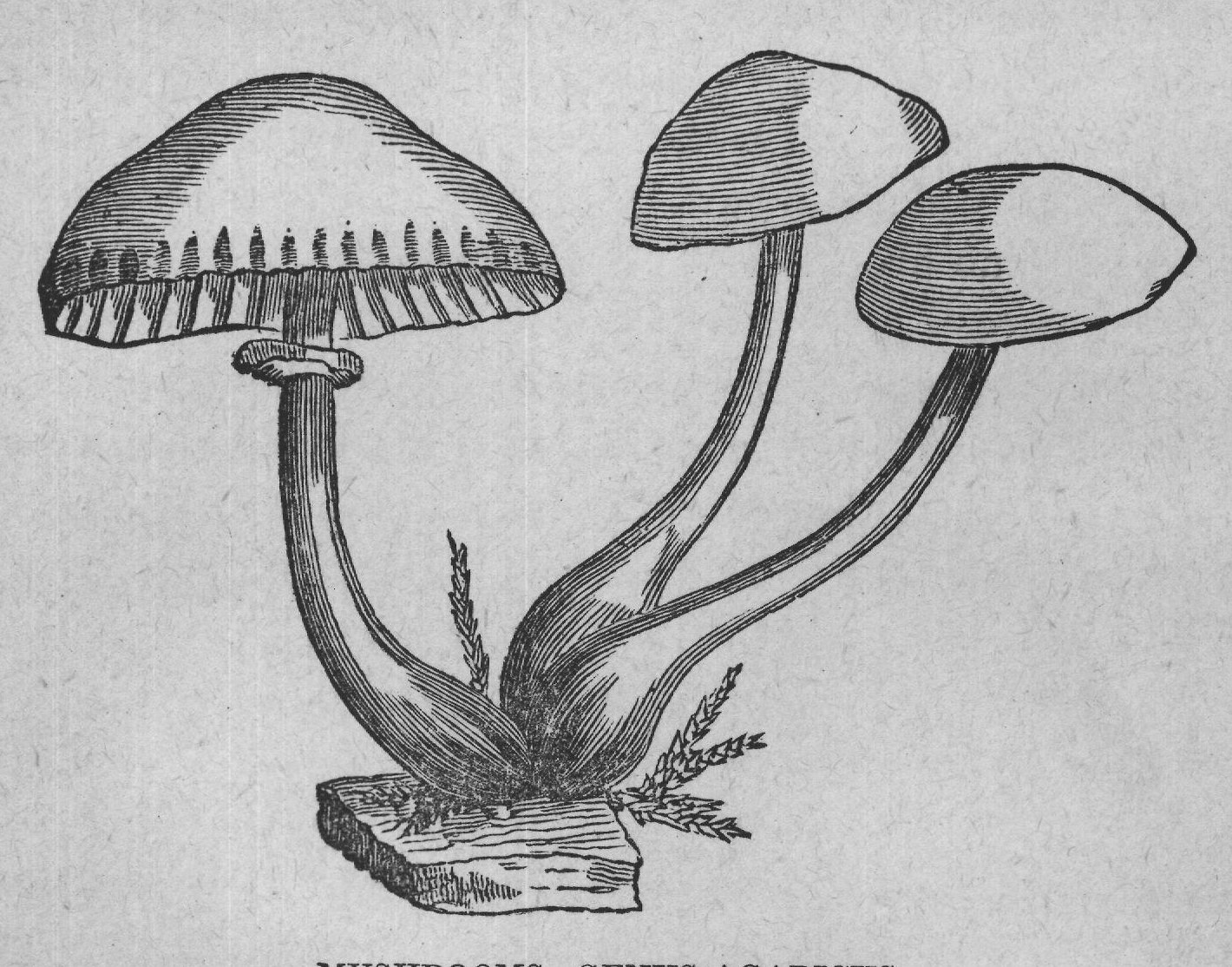
A straightforward pommes duchesse, though the printed heading ("MUSHROOMS-GENUS AGARICUS") is a compositor's error carried over from the neighbouring entry and has nothing to do with the dish. The recipe fries the shapes rather than piping and baking them, which is the older treatment.
- The hinge: cool the mixture completelyThe instruction to set it away until "quite cold" is the whole recipe. Warm duchesse paste is slack, absorbs flour, and collapses in the fat; chilled paste holds a shaped edge and takes crumbs cleanly. An hour in the refrigerator does what a cold larder once did.
- Potato choiceEight large potatoes is roughly 3 to 3 1/2 lb, yielding enough paste for about 8 servings. Use a floury variety — russet or a good baking potato — and let the boiled pieces steam dry in the pan before mashing, or the paste will be too wet to roll.
- Mash texture"Mashed fine" means no lumps at all. A ricer or food mill gives the smooth result intended; a food processor turns potato gluey and should be avoided.
- Stirring over the fireThis step drives off moisture and sets the yolks slightly, as in a panade. Keep the heat low and stir constantly for two or three minutes until the mass pulls away from the pan; the yolks will scramble if the pan is hot.
- Seasoning"A little salt" is all this recipe calls for. Modern palates will want a good teaspoon for this quantity, plus white pepper and a scrape of nutmeg, which is usual in French practice.
- Frying in lardLard was a common deep-frying fat in kitchens of this sort and works well here at 350-360F. Any neutral oil at the same temperature substitutes directly. Fry in batches so the fat does not drop below about 340F, and drain on paper.
- Baking insteadIf you would rather pipe the mixture through a star tube and bake, as duchesse potatoes are more often served now, skip the egg-white and crumb coating and give them 15–20 minutes at 425°F until the ridges brown.
Duchesse potatoes belong to the classic French repertoire: mashed potato enriched with butter and egg yolk, then shaped. By the late nineteenth century the preparation was well established in English and American cookery as a way to dress up a plain vegetable for company. The egg yolk is what distinguishes it from ordinary mashed potato: it binds the paste so it can be handled, and it gives the surface colour under heat. The version here, breaded and deep-fried, is closer to what a French kitchen would call pommes croquettes, and the two names appear to have been used loosely in household books of the period. Its appearance alongside a stray heading about the mushroom genus Agaricus suggests the sort of misalignment that could occur when large compiled cookbooks were set in type from many contributors' recipes.