Home › Village Receipts › Cocoa Fudge
Cocoa Fudge
Two cups of sugar, one tablespoon of butter, two-thirds of a cup of milk, three tablespoons of cocoa, pinch of salt, one-half teaspoon of vanilla.
Boil until it forms a soft ball if tried in cold water; beat until it thickens.
— Miss M. Ethel Post
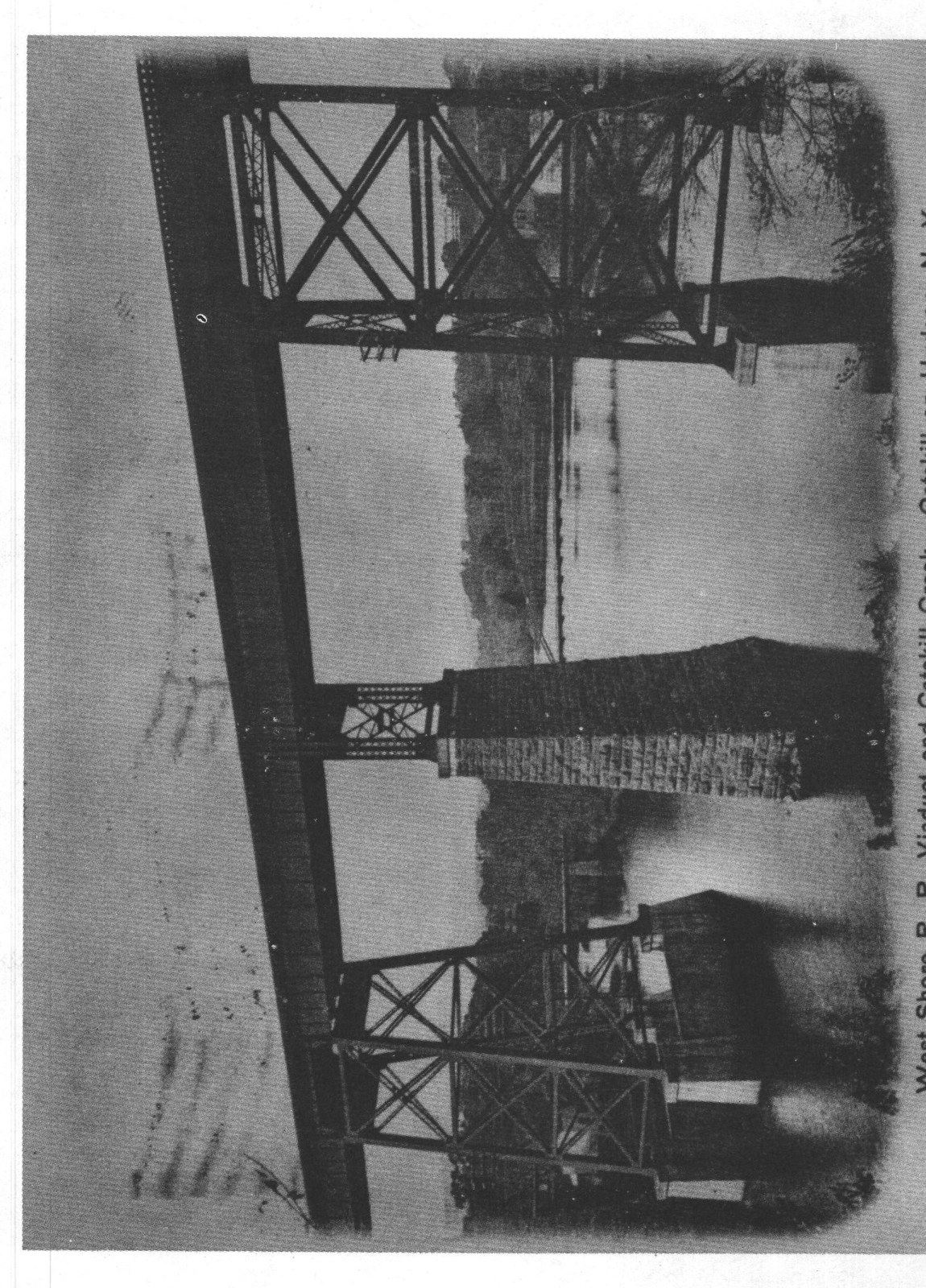
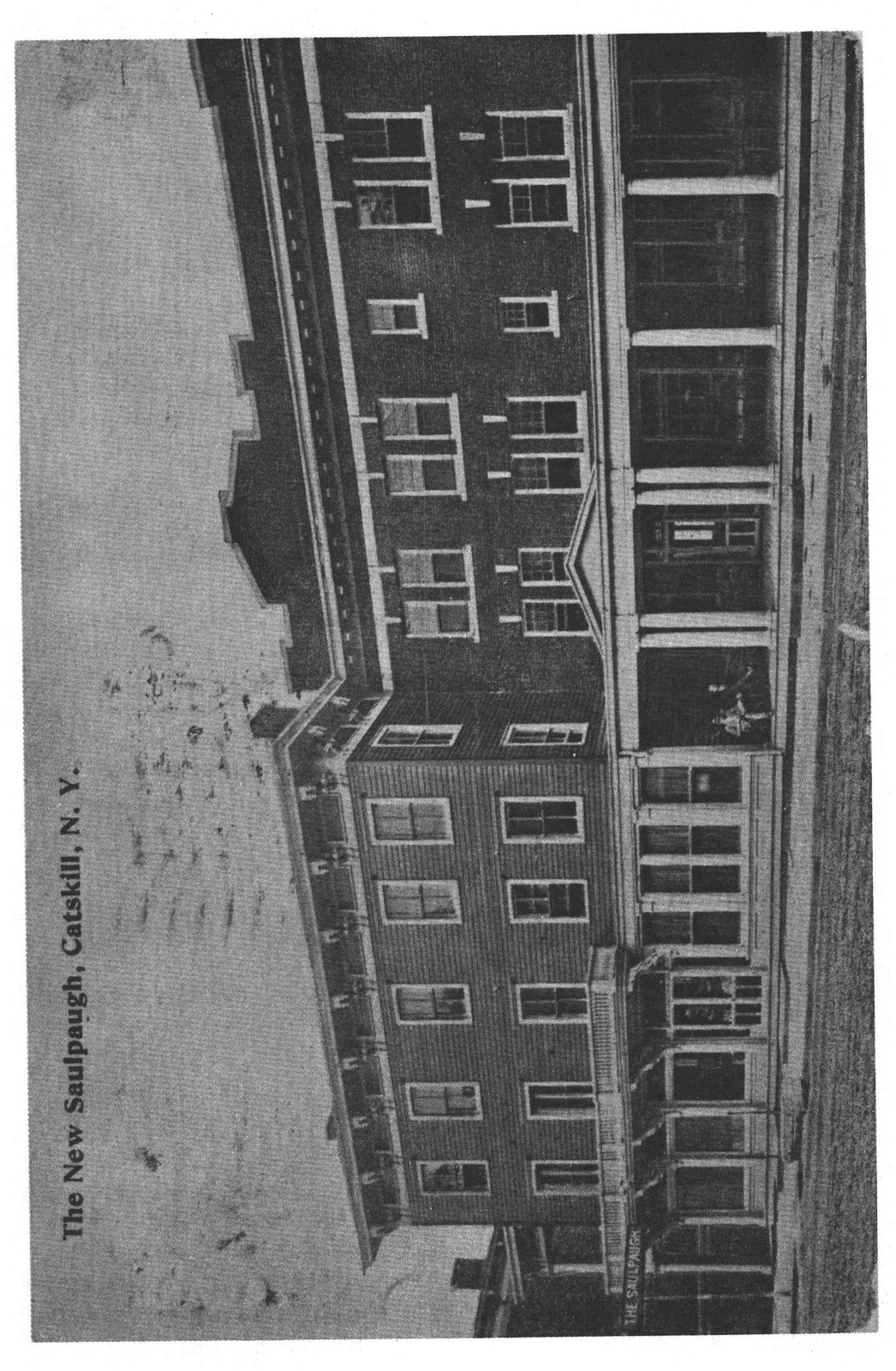
West Shore R. R. Viaduct and Catskill Creek. Catskill on Hudson, N. Y. The New Saulpaugh, Catskill, N. Y.
The New Saulpaugh, Catskill, N.Y.
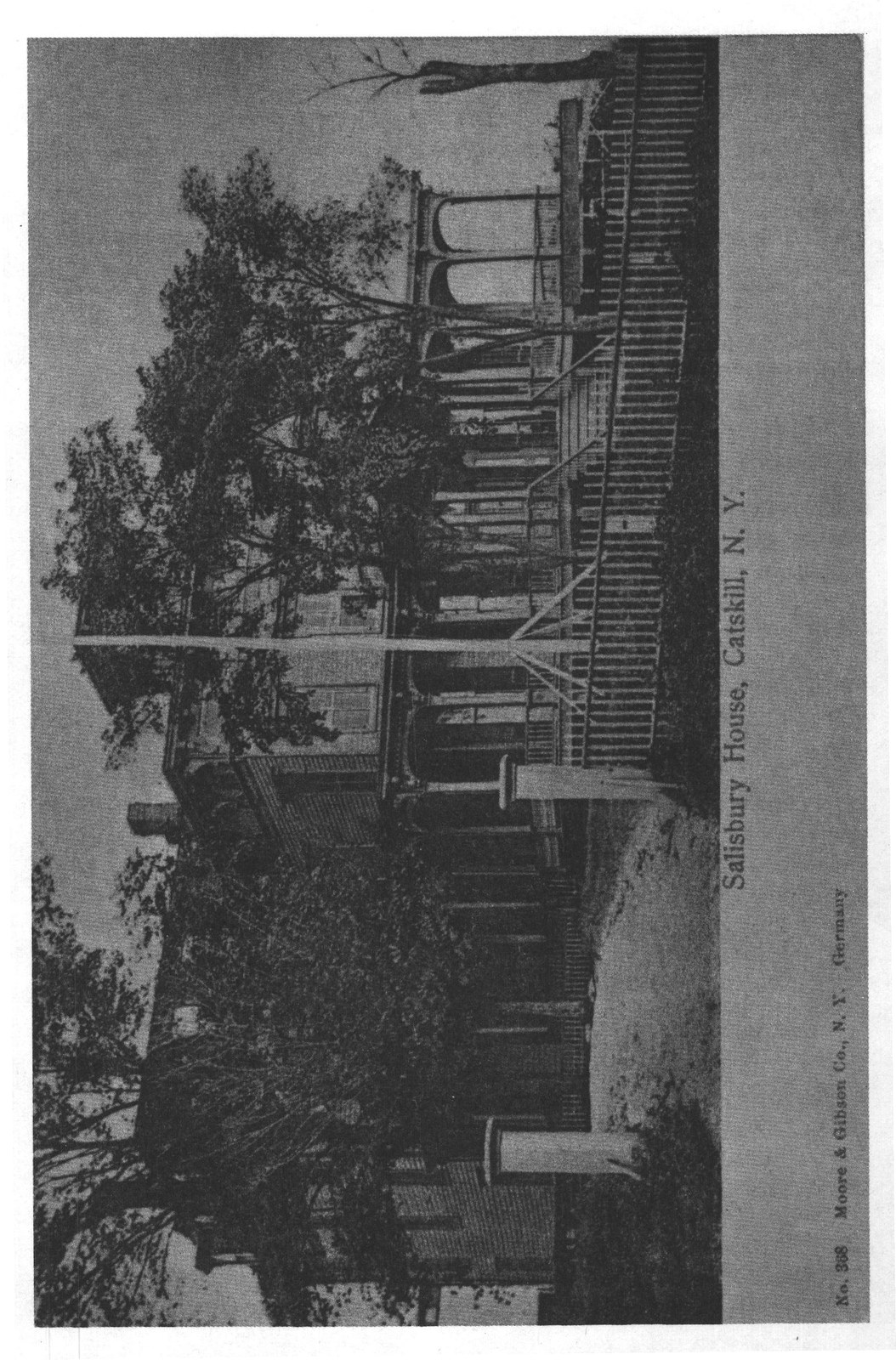
No. 368 Moore & Gibson Co., N. Y. Germany Salisbury House, Catskill, N. Y.
A plain boiled fudge with no thermometer and no cooling step given — both of which decide whether it sets smooth or grainy. The cold-water test is reliable if you know what you are looking for.
- Soft ball, in numbersA drop that flattens into a soft, pliable ball in cold water is 234-240F; aim for 236-238F. Below that the fudge stays soupy, above it turns hard and crumbly.
- Cool before beatingThe instruction to "beat until it thickens" omits the hinge: let the syrup drop to about 110F, undisturbed, before you touch it. Beating while hot throws large sugar crystals and gives sandy fudge.
- Butter and vanilla go in latePeriod recipes list everything together, but drop the butter on the surface after the boil and stir the vanilla in only at the beating stage, since some of vanilla's aroma is lost in prolonged boiling.
- The cocoaThis means unsweetened cocoa powder, most likely natural (non-alkalised), which was the common American product then, though Dutched cocoa was also available. Dutch-process works and gives a darker, milder result. Whisk the cocoa with the dry sugar before adding milk or it will float in lumps.
- Pan and stirringUse a heavy 2- to 3-quart saucepan; the mixture climbs as it boils. Stir only until the sugar dissolves, then leave it alone and wash any crystals from the sides with a wet brush.
- Judging the end of the beatingThe mass loses its gloss and stiffens quite suddenly. Pour into a buttered 8-by-4-inch loaf pan or small square tin at that moment — a few seconds late and it sets in the pot.
- YieldAbout a pound, roughly 20 to 24 small squares. Score while warm, cut when fully cold.
Fudge belongs to the 1890s and 1900s, the decades when cheap refined sugar, reliable cocoa powder and coal or gas ranges put boiled candy within reach of any home cook. It is generally traced to American women's colleges — Vassar, Smith and Wellesley all had fudge recipes circulating under their names in the 1890s — and it spread through exactly this kind of publication: a community cookbook where each contributor signs her name. Miss Post's version is the unadorned template, sugar and milk and cocoa with a spoonful of butter for softness, and it sits alongside the printers' imprints and captions that have been swept into the text here.