Home › Village Receipts › Scrappel
Scrappel
Two pounds of good lean beef, boil until very tender; have about two quarts of water when done. Take meat out, and thicken broth with corn meal; mince the meat very fine and add two onions also minced. Stir meat and onions together with broth and cool. When done it should be like headcheese.
— Mrs. E. C. Titus
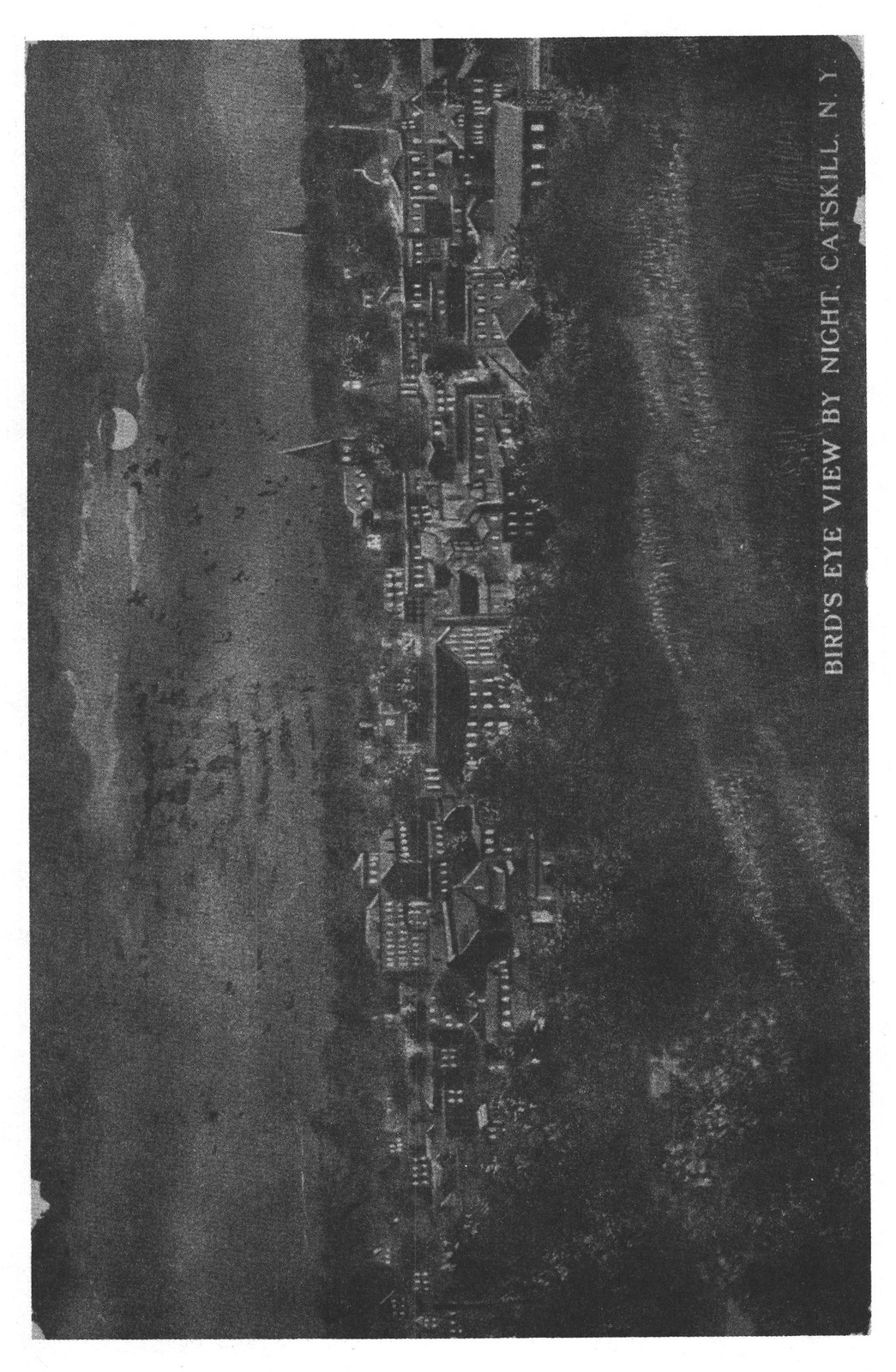
BIRD'S EYE VIEW BY NIGHT, CATSKILL, N. Y Bridge Street Bridge, Catskill, N.Y. 205,456.
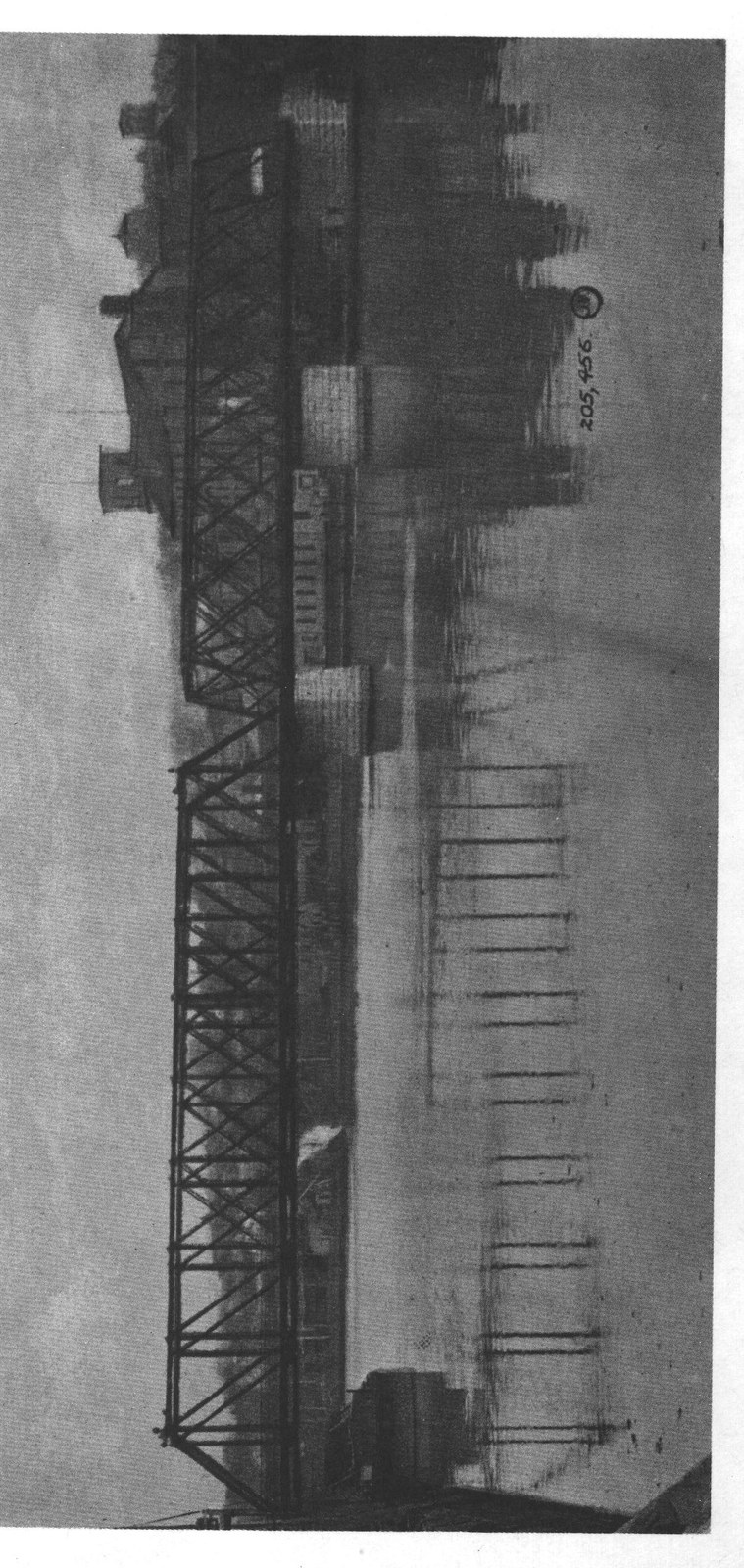
A beef scrapple, thinner on seasoning than most printed versions and vague about the one measurement that decides whether it sets. The trailing line about the Bird's Eye View and Bridge Street Bridge is a page caption from the souvenir cookbook, not part of the method.
- The hinge: cornmeal ratio"Thicken broth with corn meal" is the whole structure of the dish. For two quarts of broth, figure roughly 2 to 2 1/2 cups of coarse yellow cornmeal, rained in slowly while whisking; the mush should be stiff enough that a spoon stands briefly before it falls.
- Cook the meal outCornmeal needs 30 to 45 minutes of slow cooking with frequent stirring, or the loaf tastes raw and gritty. It will spit as it thickens, so use a heavy pot and low heat.
- Boiling the beefTwo pounds of lean beef — shin, chuck or shank — will take 2 1/2 to 3 hours at a bare simmer to reach shreddable tenderness. Start with about three quarts of water so that roughly two quarts remain, and skim the scum in the first twenty minutes.
- SeasoningThe receipt names nothing but onions. Scrapple is inedible unrelieved: add salt to taste, plenty of black pepper, and, if you want the traditional profile, dried sage and a pinch of ground thyme or marjoram. Season the broth before the meal goes in, since it is difficult to correct afterwards.
- "Like headcheese"This means the sliceable, jellied-loaf texture of a chilled meat mold, not a spreadable paste. Pour into loaf pans, cool uncovered, then refrigerate overnight until firm all the way through.
- Frying, which the receipt omitsScrapple is set to be sliced and pan-fried. Cut 1/2-inch slabs, dry the surfaces, and fry in a little fat over medium heat until a dark crust forms, about 5 minutes a side. Turn once only; it breaks up if fussed with.
- OnionsTwo raw minced onions stirred into hot mush will soften but stay sharp. Sweating them in a little fat first gives a rounder flavor and a less watery loaf.
- Yield and keepingThis makes about two standard loaf pans, roughly 12 servings. Treat it like any cooked meat loaf: a few days refrigerated at most, and it freezes well if sliced first and separated with parchment.
Scrapple is generally traced to the Pennsylvania Dutch panhaas, usually glossed as "pan rabbit" — a thrift dish in which the broth and scraps from butchering are bound with cornmeal or buckwheat into a loaf that can be sliced and fried through the winter. It spread north and east through the mid-Atlantic in the nineteenth century, and in a collection like this Catskill village one the name appears to have loosened enough to cover almost any meat set in meal. Mrs. Titus's version is notable for using beef rather than the customary pork head and trimmings, which may suggest a household making the dish from a cheap cut bought for the purpose rather than from a hog killed at home. The cornmeal is usually said to be an American substitution for the buckwheat and rye of the German original, and that swap is credited with giving American scrapple its particular grain and its crisp fried crust.