Celebrated Actor-Folks' Cookeries

Mary Pickford, Enrico Caruso, Lillian Russell and a hundred more stars of 1916 — each sharing the dish they actually cooked. The original celebrity cookbook.

HomeL › Edith Lyle

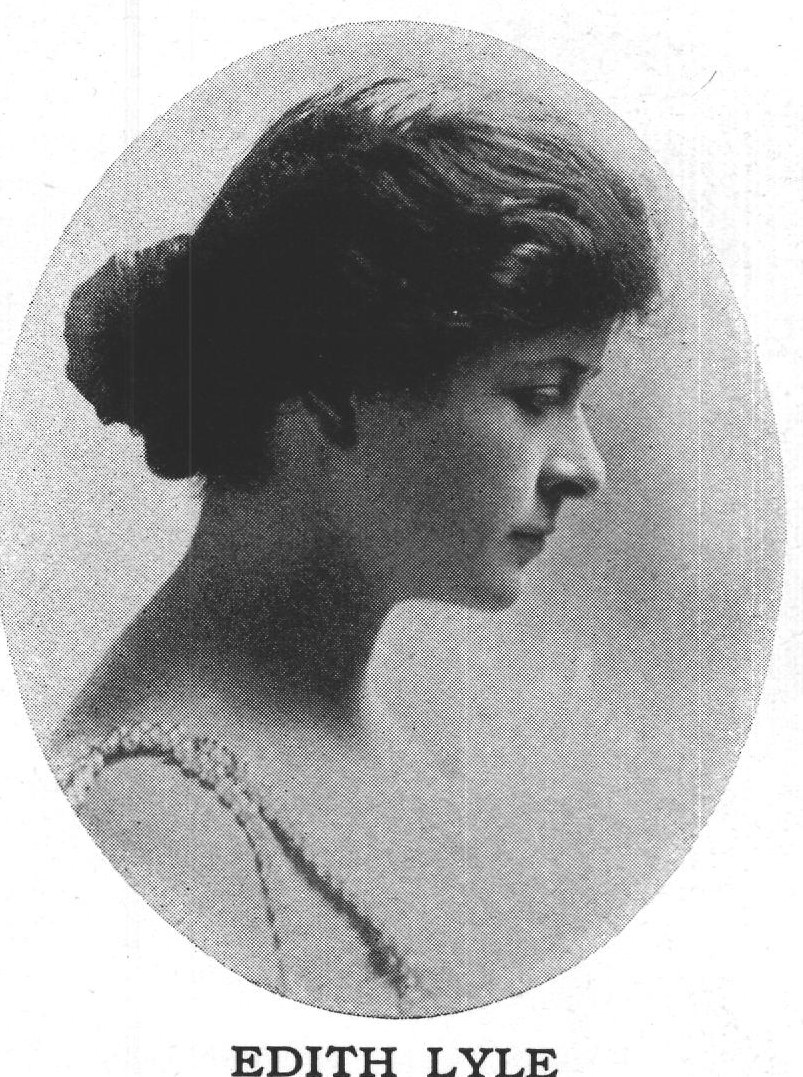
Edith Lyle

EDITH LYLE
EDITH LYLE

MEXICAN TAMALES

Boil three pounds chicken slowly until tender, in sufficient water to cover. Season with salt when partly done.

Open six large red chilis, wash and remove seeds.

Cover with boiling water until soft, and press through sieve.

Put two tablespoons olive oil in frying pan, add two onions (chopped fine), stir until onions are slightly browned, add chili pulp and one-half cup chicken broth; cover the pan closely and cook slowly fifteen minutes. One quart of yellow corn meal (in bowl), add enough chicken broth to make a dryish paste, work it with the hand until it becomes soft but not wet. Have ready corn husks, which must be soaked and pliable.

The husks must be wide. Place layer of corn meal on husk, then layer of chicken mixture; roll and tie at both ends. Place chicken bones back into broth, place tamales over top of bones, taking care that they do not touch the water. Sprinkle with teaspoon salt, cover the boiler, and cook continuously for one hour. See that water does not boil over the tamales during this time. Serve hot.

Mother is French and a gifted cook. I am studying the art with her when our cook allows us in the kitchen.

Edith Lyle

For the Modern Kitchen

A stage performer's version of a Southwestern staple, written for a cook who already knew what a tamale looked like. Two things need attention before you start: the corn and the fat.

A Little History

This comes from a 1916 collection of recipes contributed by working stage performers, a genre of charity and novelty cookbook that flourished when a theatrical name on a page sold copies. Tamales — the word descends from the Nahuatl tamalli — had been eaten in Mexico for millennia, and reached Anglo-American cookbooks chiefly through California and the Southwest, where tamale vendors and "tamale wagons" were fixtures of city streets by the 1890s. That route explains the recipe's compromises: cornmeal in place of masa, no lard in the dough, dried chilis treated as an ordinary pantry item. The little note about a French mother and a cook who only sometimes permits the family into her own kitchen says as much about the period as the recipe does — a young performer learning to cook as an accomplishment rather than a duty, in a household where someone else did the actual work.

← Ethel LeveyFelice Lyne →