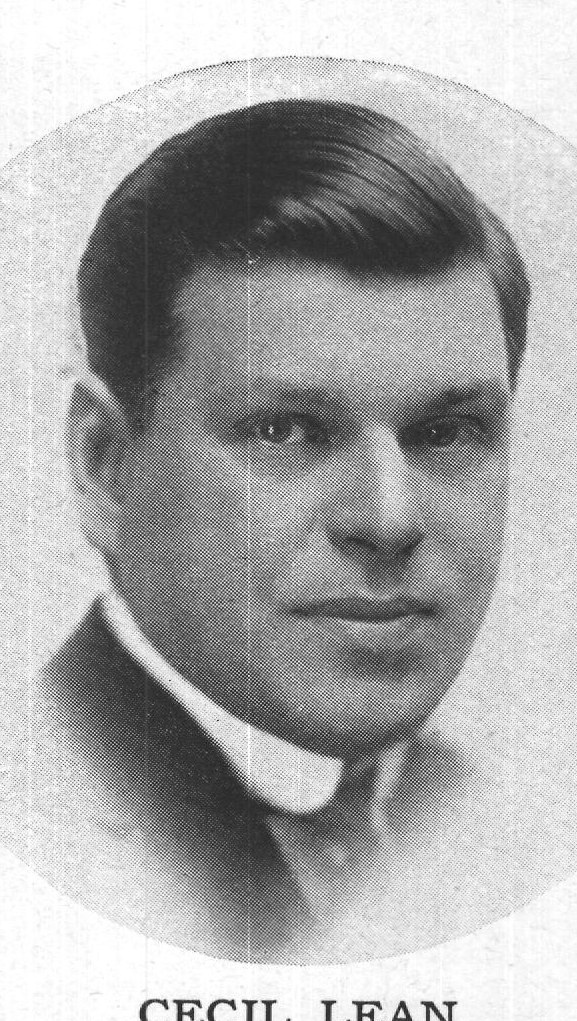
Cecil Lean

2 eggs 3/4 cup lard 2 cups flour 2 cups oat flakes (dry) 1 cup raisins
COOKIES
1 cup sugar 4 tablespoons liquid coffee 1 teaspoon soda 1 teaspoon allspice I 1/4 teaspoon salt Stir up like cake. Drop tablespoonful in pan and bake.
Some cookies!
Sincerely, Cecipan Yours truly
A drop oatmeal cookie written in shorthand for a cook who already knew what a cookie dough should look like. Almost everything that matters here has been left out, so a few decisions have to be made before the pan goes in.
- No oven temperature is givenA moderately hot oven is wanted. As a modern starting point, try 375F for 10 to 12 minutes, until the edges set and the centres still look slightly soft; at 350F they will spread more and stay chewier.
- "Stir up like cake"Almost certainly the creaming method: beat the lard with the sugar until light, beat in the eggs and coffee, then stir in the dry ingredients sifted together, and the oats and raisins last. It is the only mixing instruction in the recipe and it governs the texture.
- Oat flakesRolled oats, specified dry so no one soaks or cooks them first. Old-fashioned rolled oats give the chew the recipe intends; quick oats will work but produce a softer, sandier cookie. Steel-cut oats will not.
- LardThree-quarters of a cup, a common cookie fat of the period, giving a tender, slightly savoury crumb. An equal volume of butter or shortening substitutes cleanly, though butter will brown the edges faster.
- Liquid coffeeFour tablespoons of brewed coffee, not grounds or extract. It is the only added liquid besides the eggs, and gives a faint bitterness behind the allspice; strong drip coffee, cooled, is right.
- Soda without an obvious acidA teaspoon of soda, with only mildly acidic coffee and raisins to work against. Sift it thoroughly with the flour or the cookies will carry soapy patches.
- Yield and panThe batter is bulky, so expect several dozen tablespoon-sized cookies. Space them two inches apart on a lined sheet; the dough spreads.
Cecil Lean was a musical-comedy and vaudeville performer of the 1900s and 1910s, best known for his stage partnership with Cleo Mayfield, and his contribution here is typical of the book's charm: a working recipe scribbled off by someone with a train to catch. The volume belongs to a small genre of celebrity cookbooks in which theatrical personalities supplied favourite dishes and the publisher supplied the fame. The cookie itself reflects its moment. Rolled oats had become a cheap, heavily promoted packaged staple in American kitchens by the turn of the century, and oatmeal drop cookies with raisins and warm spice spread quickly through newspaper columns and box-lid recipes; the use of leftover brewed coffee as the liquid may well be a thrifty domestic habit rather than a flourish, though it does darken the crumb and deepen the allspice.