Celebrated Actor-Folks' Cookeries

Mary Pickford, Enrico Caruso, Lillian Russell and a hundred more stars of 1916 — each sharing the dish they actually cooked. The original celebrity cookbook.

HomeR › Marjorie Rambeau

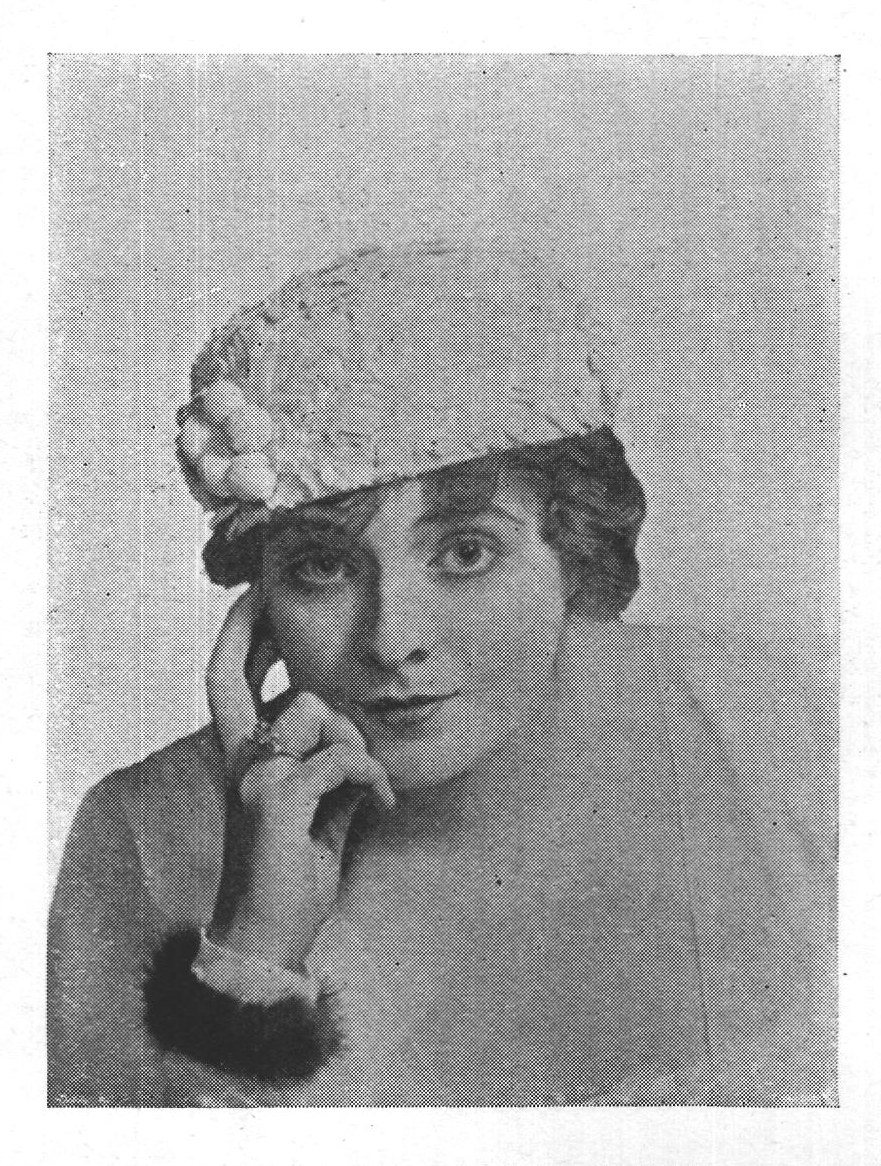
Marjorie Rambeau

MARJORIE RAMBEAU
MARJORIE RAMBEAU

BANANAS-RAMBEAU

Slice bananas, long way. Dip in pan filled with half powdered sugar and half flour. Brown a fairly large piece of butter. Have frying pan very hot. Fry bananas, add necessary butter at intervals.

SAUCE

Squeeze two oranges into bowl, add sugar and spices to taste, also flour to thicken slightly; then cook to boiling stage, cool, pour over fried bananas and serve. To be honest I have never mastered the art of cookery, but I give you here the recipe of a particularly novel and tasty French entré. Cordiael, yours, Maryoue Ramban

TOMATOES-PINTO

Slice tomatoes-fry brown; slice onions-fry brown.

Slice green peppers and add to onions just before they are done enough to remove from the pan. Place tomatoes on platter and pour onions and peppers over. Serve immediately, garnished with parsley.

This is one of my favorites.

For the Modern Kitchen

Two quick pan dishes with no quantities and no timings, which is normal for a celebrity contribution of this kind. Both work; they just need the cook to supply the numbers.

A Little History

This page comes from Celebrated Actor Folks' Cookeries, a 1916 collection of recipes solicited from stage and screen performers, and the pleasure of the book lies as much in the handwriting facsimiles and the disclaimers as in the cooking. Marjorie Rambeau, then in her twenties and a Broadway leading lady on the edge of a long film career, admits outright that she never mastered the art — a common and rather charming refrain from contributors who were working actors, not housekeepers. Her calling the fried bananas a "French entrée" reflects a period habit of attaching French prestige to anything sweet, browned in butter and sauced, though sugared bananas in butter are often associated with the Caribbean and Gulf traditions that had made the fruit cheap and ubiquitous in American cities by 1916. The second dish, with its browned tomatoes, onions and green peppers, has nothing pinto about it in the bean sense; "pinto" here may perhaps be read as painted or party-colored, though the single word supports little more than a guess.

← Adele RitchieMargaret Romaine →