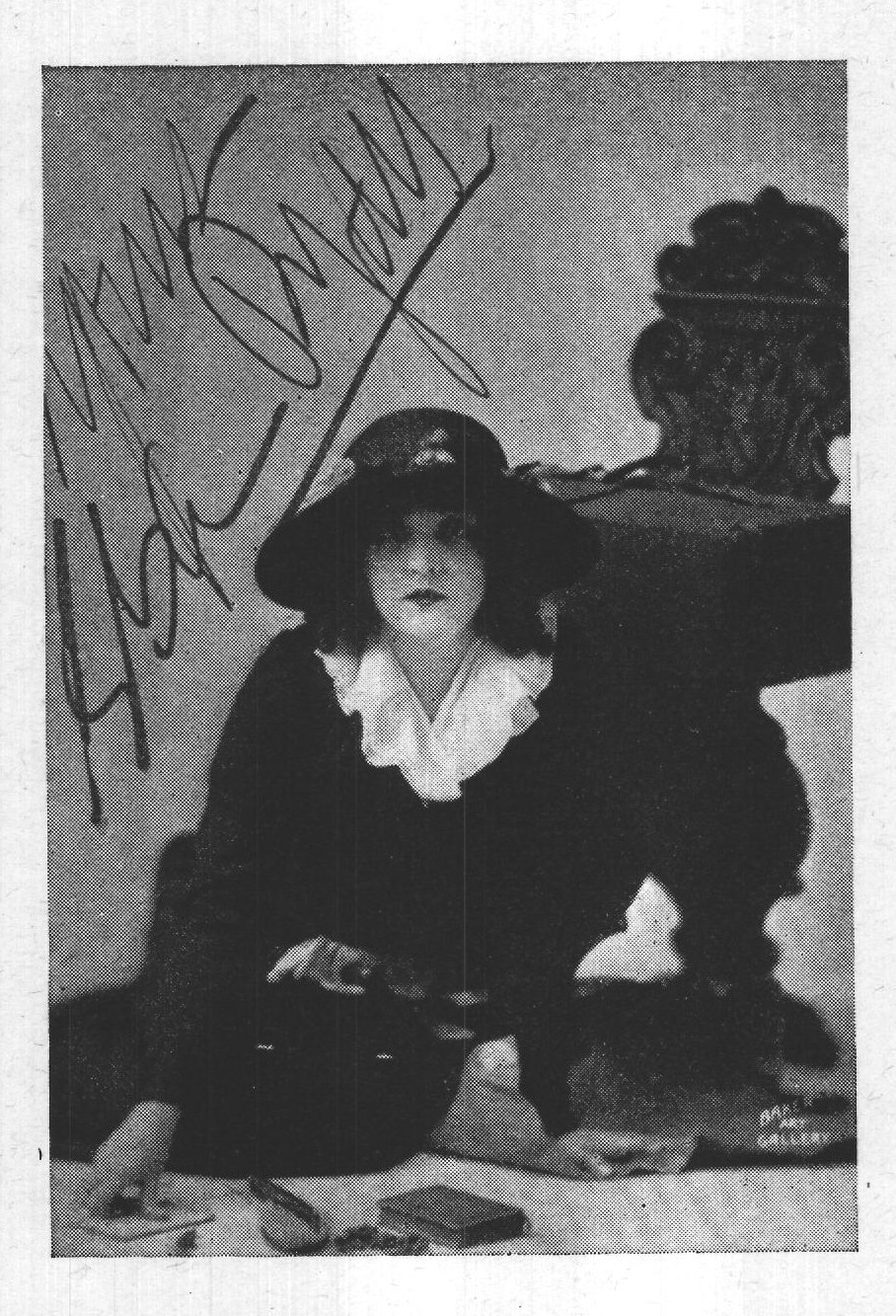
Elsa Ryan

CHICKEN PIE
Joint and prepare for boiling, two chickens, weighing three pounds each. Use water to cover and add sufficient water to keep them covered during period of cooking. When done, while hot, strip meat from bones with a silver knife and fork. Line a deep pudding dish with rich pie crust rolled a trifle thicker than for ordinary use; lay in the chicken, thicken and season the stock, boiling it down if there is too much; pour over the chicken and cover with top crust, leaving a round opening in center to allow steam to escape, and bake over a low flame two hours or more. Serve hot or cold.
A two-stage dish: the birds are poached whole-jointed, then the meat and its reduced stock are baked in a double crust. The header is a typesetting collision — "Oven-Broiled Black Bass" belongs to a neighbouring entry, and nothing about bass appears in the instructions.
- The hinge: the filling is already cookedThe chickens are fully poached before they go into the crust, so the bake is only about setting and browning pastry. Two hours over "a low flame" suits a coal or early gas range; in a modern oven a moderate heat (around 350-375F) for roughly an hour, until the crust is browned through and the gravy bubbles at the vent, does the same work, and the original's two hours is longer than modern pastry needs.
- "Two chickens, weighing three pounds each"Two 3 lb birds yield roughly 2 1/2 to 3 lb of picked meat — enough for a deep 9x13 dish serving eight to ten. One 4 to 5 lb chicken, or about 2 lb of picked meat, fills a standard deep pie dish for four to six with proportionally less stock.
- Poaching liquidThe recipe covers the joints and tops up to keep them covered; concentration comes later, from its own instruction to boil the stock down if there is too much. Simmer, never boil, about 45 minutes to an hour; breast pieces can come out sooner than legs and thighs.
- The silver knife and forkNineteenth- and early twentieth-century cooks held that carbon-steel blades tainted poultry and fish with a metallic taste; carbon steel is reactive, though the effect is most marked with acidic foods. Any stainless knife or two forks will do, and the meat strips most easily while still warm.
- Thickening the stockNo quantity is given. Reckon roughly 2 tablespoons flour, or a roux of equal flour and butter, per cup of stock for a gravy that coats without setting solid, and use only enough to come up around the meat rather than submerge it. Season assertively; poached chicken is bland.
- "Rolled a trifle thicker than for ordinary use"The bottom crust has to hold hot gravy through a long bake, so roll it a little thicker than usual — nearer 3/16 inch than the standard 1/8. Blind-baking the lower crust for 15 minutes before filling is not in the original but is the surest guard against a sodden base.
- The steam holeKeep the central opening genuinely open — a quarter to a half inch — rather than a slit that seals over. Without it the top crust lifts off the filling and the gravy forces the seam.
- Serving cold"Serve hot or cold" assumes a well-gelled stock that sets to a savoury jelly in the pie. A stock made from bones and skin will set on its own; refrigerate promptly and eat within three days.
Chicken pie of this kind — birds poached, picked, and returned to their own thickened liquor under a double crust — was standard American company food from the early nineteenth century onward, and it survived into the twentieth because it could be assembled in advance, baked in one dish, and eaten at any temperature. That last quality is why it turns up in a book of this sort: Celebrated Actor Folks' Cookeries (1916) collected dishes contributed by stage performers, a group who ate late, irregularly, and often from a covered dish left waiting after the curtain. The instruction to strip the meat with a silver knife and fork is a period fingerprint, echoing a widespread belief that ordinary steel blades tainted delicate flesh. Elsa Ryan was a working Broadway and early-film actress of the era, and, as with most contributions to celebrity cookbooks then and now, the recipe should be read as the dish she was willing to put her name to rather than proof of who stood over the stove.