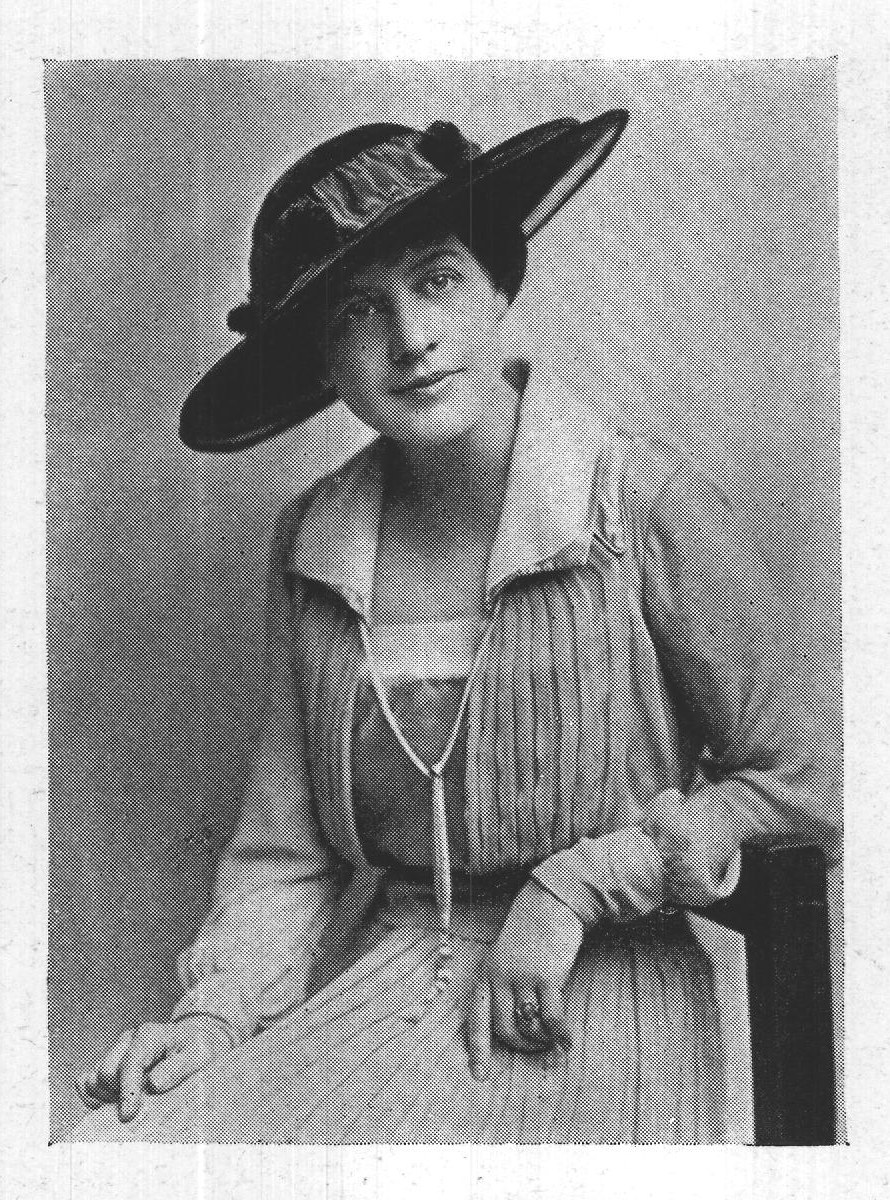
Olive Wyndham

CREPE LIZZETTE
Prepare two thin French pancakes, made of milk, flour and egg.
SAUCE
One tablespoonful of sweet butter. Rub two large lumps of sugar on the rind of an orange until thoroughly saturated with the flavor of the orange. Half liquor glass of Maraschino and half of curacao; beat the liquor, sugar and butter thoroughly together, place in chafing dish (or pan); when melted and quite cool put in pancakes one at a time, roll them and serve. your suncerely Alive byndham
A stage actress's shorthand version of crêpe Suzette, written for someone who already knows how to make a pancake and owns a chafing dish. The batter is left entirely to you; the sauce is the recipe.
- The hinge: rub the sugar on the orangeRubbing lump sugar against the zest until it is saturated draws out the peel oil into the sugar — the classic oleo-saccharum. Grated zest is not the same thing; the abrasion of the loaf sugar releases oil without any bitter pith. Two large old-style lumps are roughly 2 teaspoons of sugar.
- A liquor glassA liquor or pony glass of the period held about 1 fl oz, so half a glass is roughly a tablespoon each of maraschino and curaçao — about 2 tablespoons of spirit in total. Some period glasses ran to 1.5 oz, so treat this as approximate and taste.
- The pancakes"Thin French pancakes, made of milk, flour and egg" means crêpes. A workable batter for two is about 1/4 cup flour, 1 egg, 1/3 cup milk, a pinch of salt, rested half an hour and cooked thin in a buttered 7-8 inch pan.
- Sweet butterUnsalted butter. The distinction mattered at a time when much butter was salted for keeping; here the salt would fight the orange and liqueur.
- "Melted and quite cool"Read this as melted and no longer bubbling. The point is to keep the alcohol and the volatile orange oil from cooking off — this is a warm sauce to coat the crêpes, not a syrup to be reduced. If the pan is hot enough to sizzle the crêpe, it is too hot.
- Chafing dishA tabletop pan over a spirit lamp, the fashionable supper equipment of the 1910s. A small skillet over the lowest gas flame does the same job. Note that no flambé is called for, despite the dish's reputation.
- YieldTwo crepes and roughly three tablespoons of sauce: one generous serving, or two small ones after a heavy meal.
Celebrated Actor Folks' Cookeries (1916) collected recipes solicited from working stage performers, each reproduced with a facsimile signature — which is why the transcription here ends in the garbled "your suncerely Alive byndham," a machine's reading of Olive Wyndham's handwriting. Wyndham was an American actress prominent on Broadway in the 1910s, and her contribution reads as a crepe Suzette under a variant name, spelled here "Lizzette." The dish itself is generally traced to the Riviera in the 1890s, with the much-repeated claim that Henri Charpentier invented it at Monte Carlo for the Prince of Wales; the story is traditional and has never been firmly documented. By 1916 crepes Suzette were among the dishes associated with chafing-dish cookery — cooked at the table, over a spirit lamp, in front of the guests — which suited a theatrical crowd that ate late and liked an audience.