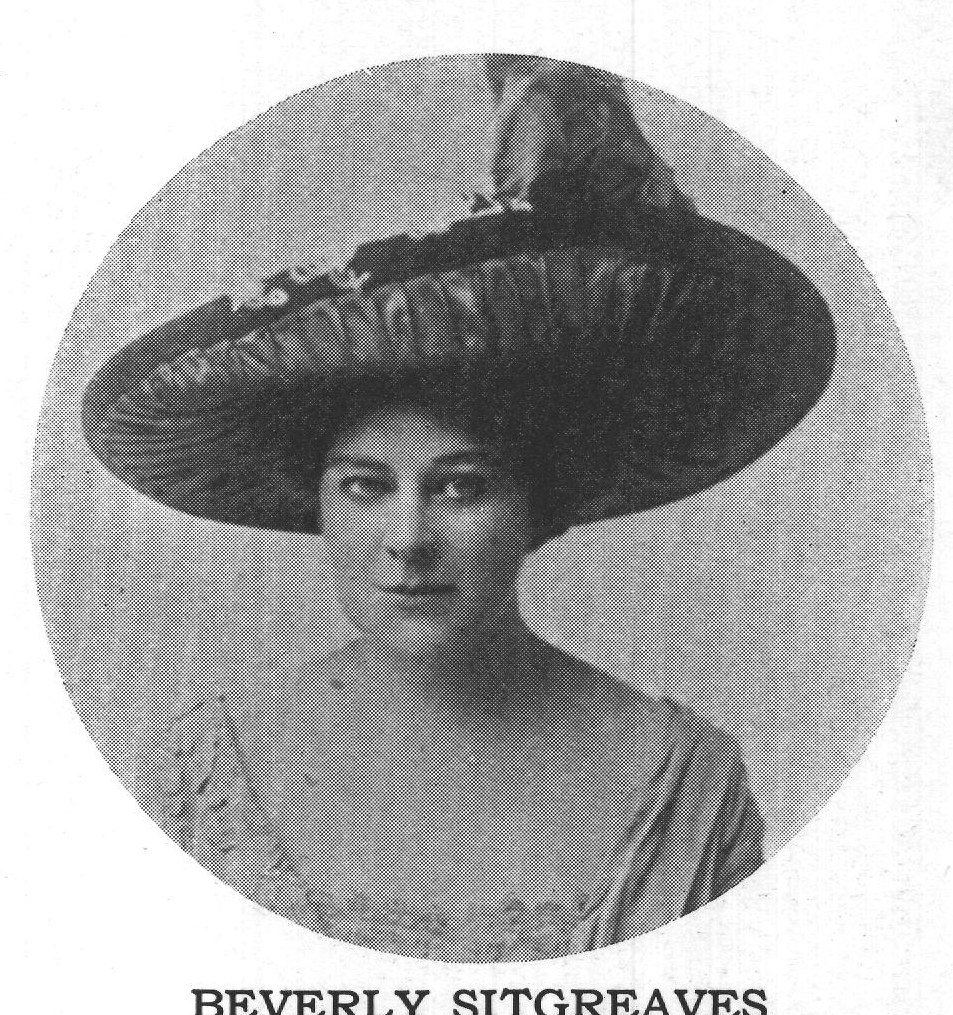
Beverly Sitgreaves

6 herring 10 strips of bacon The fish are split and broiled. Be careful not to lose the roe out. Serve hot with bacon.
DISH not known outside of the South, and which I learned to prepare from my old Mammy in South Carolina. It is usually served for breakfast. With hot rolls, or the famous corn bread and coffee, this makes a delicious meal." Rearb Benry Sibgreams
Two ingredients and four sentences of instruction, which means nearly everything depends on handling the fish. The point of the dish is the roe, so protect it.
- What "roe herring" meansRiver herring taken during the spring spawning run, sold whole with the egg sacs intact. At a modern fish counter ask for whole herring with roe, or shad with roe, which is the same tradition and easier to find. Frozen roe sold separately will not give the same result, since the flavor here comes from roe cooked inside the fish.
- Splitting without losing the roeSplit the fish along the belly and open it flat rather than cutting through it, leaving the paired egg sacs attached to one side. The membrane around the roe tears easily, and once it breaks the eggs spill into the pan and turn to grit.
- "Broiled" in this periodA grid over live coals or a gas broiler at full heat. Under a modern broiler, put the rack about four inches from the element and cook skin side up first.
- TimingHerring are thin and oily. Three to four minutes a side is enough for the fish; the roe is done when it is firm and opaque, not when it is browned all over, since overcooked roe goes chalky and bitter.
- The bacon does double dutyThe bacon -- Ten strips for six fish. The recipe says only to serve the fish hot with the bacon; frying the bacon first and spooning some of its fat over the split fish during broiling is a modern option, not something the text calls for.
- BonesRiver herring are notoriously fine-boned; warn people at the table.
- YieldSix fish serves three to six depending on size, which is a breakfast portion in the original context, not a dinner course. The rolls or corn bread mentioned are not optional padding — they are what makes the meal.
River herring ran up the Atlantic coastal rivers by the millions each spring, and from the Chesapeake down through the Carolinas the roe fish were a fixture of the late-winter and early-spring breakfast table, cheap enough to be eaten daily during the run and salted in barrels for the rest of the year. Sitgreaves, an American stage actress of the late nineteenth and early twentieth centuries, contributed this to a collection of recipes gathered from theatrical people, a genre that flourished when a performer's name on a page was itself the selling point. Her framing is worth noting for what it reveals rather than what it claims: crediting a dish to an unnamed Black cook, identified only by a household title, was a routine convention in white Southern cookbook writing of the period, and it both acknowledged and erased the person who actually knew how to cook the fish. The garbled signature line at the end is an artifact of the scanned facsimile autograph, not the original text.