Otis Skinner

SALAD Julia Arthur Dices of celery hearts.
Small heads of lettuce in quarters.
Green grapes seeded and cut in half Tangerine oranges peeled in segments.
Chill and arrange on individual salad plates and serve with mayonnaise dressing.
I delight in this and other fruit salads.
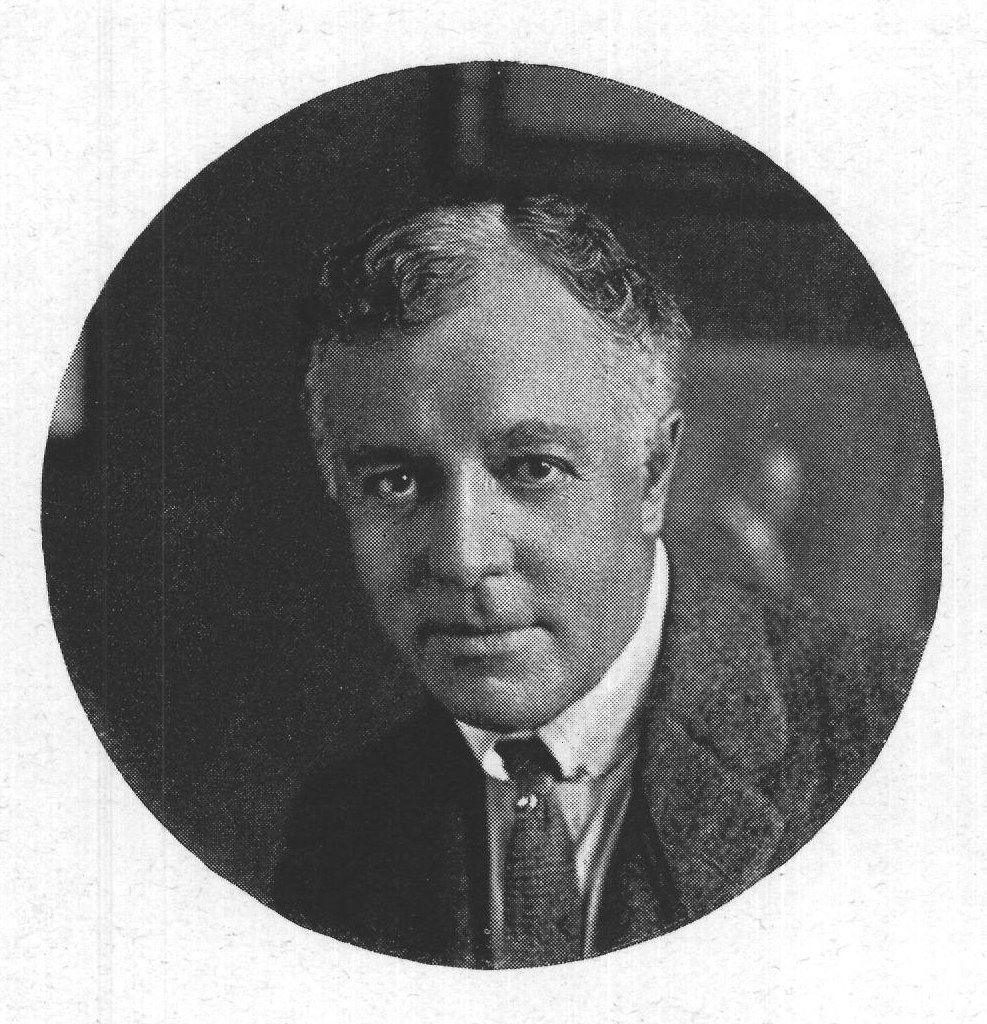
The page is a printer's collision: an editorial note about Otis Skinner's rabbit sauté sits above a salad contributed by Julia Arthur, and the two headings have run together. What follows the heading is the salad, and that is what can actually be made.
- Ignore the rabbitThere is no rabbit in the instructions and no sauté either. The dish is a cold composed salad of celery, lettuce, grapes and tangerine; the rabbit belongs to the editor's note about Skinner, not to Julia Arthur's contribution.
- Celery heartsThe pale inner ribs, not the tough outer stalks. No quantity is given; strip any strings with a peeler first so the pieces stay crisp rather than fibrous.
- Small heads of lettuceThe wording implies a tight small head, most likely a butterhead, that quarters cleanly and holds its shape on the plate. Little Gem or baby romaine works; loose-leaf types collapse and defeat the arrangement.
- Green grapes seededTable grapes of the period generally carried seeds, which is presumably why the seeding and halving are specified. Modern seedless grapes need only be halved.
- Tangerine segmentsPeel and pull apart, then remove the membrane if the fruit is coarse — clementines and satsumas are the easiest substitutes. Blot the segments dry or the juice will thin the mayonnaise on the plate.
- Mayonnaise dressingOn a fruit salad this reads oddly now, but it was standard practice of the period. Thinning jarred mayonnaise with a spoonful of cream and a squeeze of citrus brings it closer to the softer, more acidic homemade dressing intended here.
- Chill, then assembleChill the components separately and build the plates just before serving. Grapes and tangerine leach liquid quickly once cut, and a salad dressed early goes watery.
- YieldNo quantities are given. A single small head cut in quarters would make four plates, with the celery, grapes and citrus arranged around each.
Celebrity cookbooks of the 1910s and 1920s worked largely by solicitation: a compiler wrote to well-known performers asking for a favorite dish, and printed whatever came back, often with the contributor's own aside intact — hence "I delight in this and other fruit salads" at the end. Julia Arthur (1869–1950), born in Hamilton, Ontario, was a leading Shakespearean and romantic actress of the American stage who retired at the height of her fame and later returned in wartime benefit work. The combination itself — celery, grapes, citrus and mayonnaise on a lettuce cup — belongs to the American fruit-salad vogue that followed the Waldorf salad into fashion in the years around 1900, helped along by the spread of commercially bottled mayonnaise from about 1910 and by winter shipments of Florida and California citrus. The mangled heading is a reminder that these compilations were assembled fast and proofread lightly.