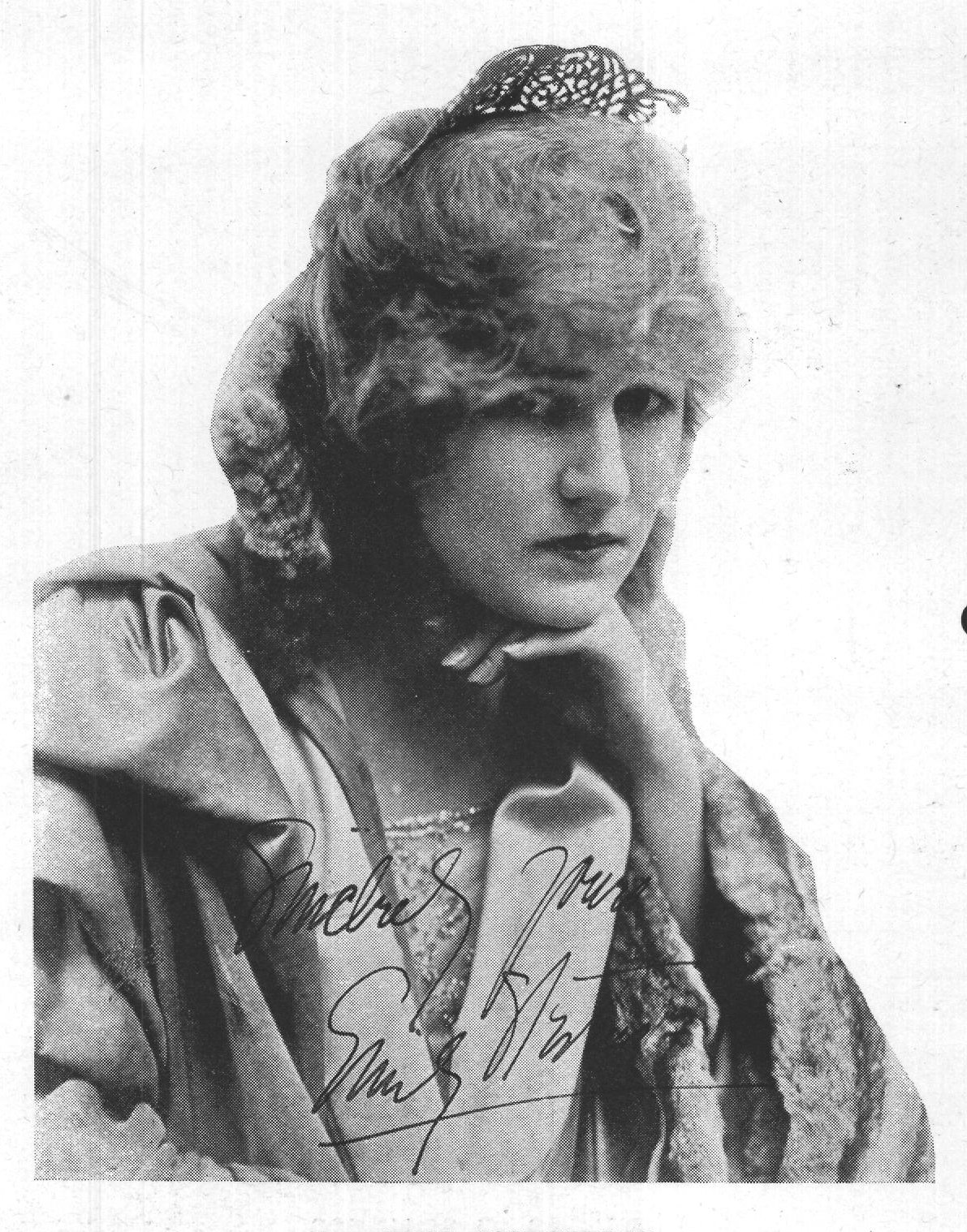
Emily Stevens

FANNIE WARD
9
CHICKEN LIVERS
(Spanish Style) 1 lb. chicken livers ½ lb. butter 2 yolks of eggs 2 green peppers 1 small onion 1/2 tablespoon salt I ¼ tablespoon pepper 1/2 tablespoon extract of beef Cut liver in small pieces and fry in butter.
Fry peppers separately, also the onion in the same way. Remove these things to one platter.
Make a little sauce of extract of beef, add to the mixture.
Beat egg yolks and add.
Sprinkle with chopped parsley.
Serve hot.
Yours very truly, EGGS a la DIXEY On a very thin slice of ham put a dash of mustard.
Then broil the ham.
Next scramble an egg and add a portion of cooked asparagus tips.
Finally, toast a thin slice of gluten bread, and on this put the ham, egg and asparagus.
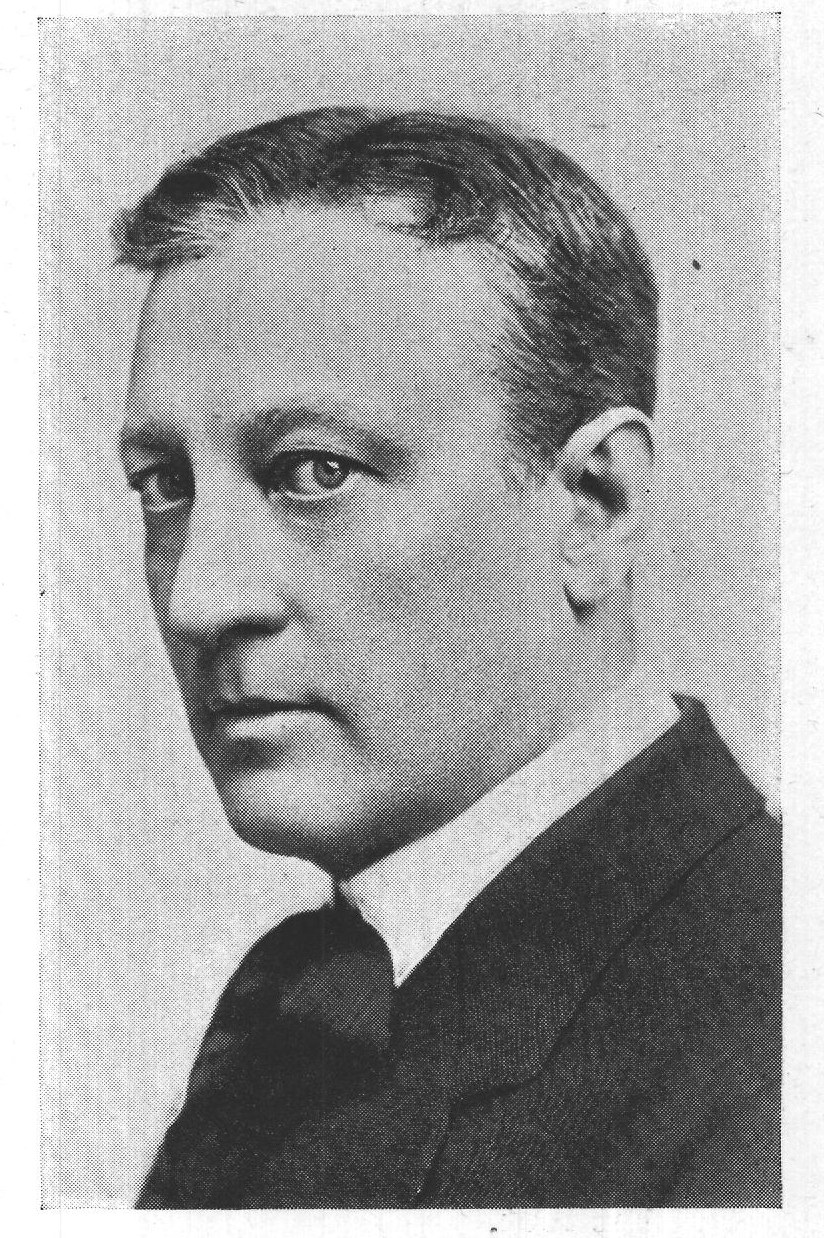
Henry E. Dixey
APPLE ROLL
Make a biscuit dough: place on top four or five sour apples, chopped finely. Roll and place in a buttered pan or a casserole. Make a syrup by boiling together for five minutes one cup of sugar, one-half cup water, one-half teaspoon cinnamon or nutmeg. Pour half over roll, saving remainder to serve as sauce. one-half hour in an uncovered pan, basting with syrup. Bake For biscuit dough use two cups bread flour, five teaspoonfuls Royal Baking Powder, two teaspoonfuls butter, one cup milk and one-half teaspoonful salt.
Contrary to my comedy reputation I do not advise mixing the dough with the feet.
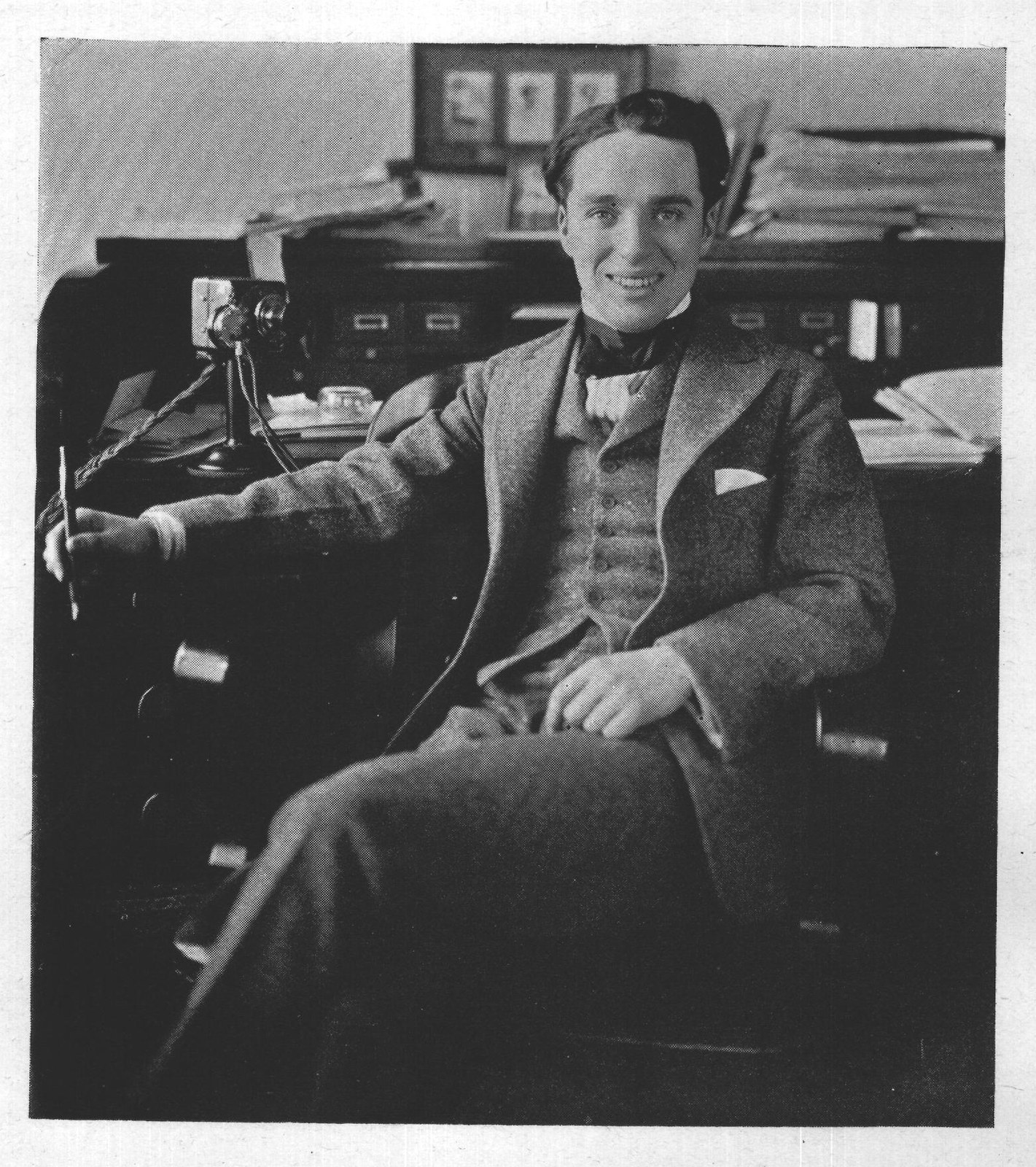
Charles Chaplin
Three unrelated dishes share this page, and the typesetting has jumbled the chicken liver quantities badly. Read the amounts sceptically before you shop.
- On the butterThe printed page gives half a pound of butter to a pound of livers, and the pepper as a quarter tablespoon. Both figures were checked and stand as printed, but two or three tablespoons of butter will fry a pound of livers; add the pepper gradually and correct the seasoning at the end.
- Extract of beefLiebig's, Bovril or Armour's meat extract, a thick dark paste sold in jars. Half a tablespoon whisked into a few tablespoons of hot water gives the "little sauce"; concentrated beef base or a spoonful of demi-glace does the same job.
- Egg yolks off the heatThe yolks are a thickener, not an omelette. Take the pan off the burner, stir them in, then return it to the lowest possible heat and move constantly until the sauce coats a spoon — a full minute over direct flame will scramble it.
- Livers cook fastChicken livers need only a few minutes in hot butter, and held longer they turn grainy and chalky, which is what makes people think they dislike them. Cook them through rather than leaving them pink.
- Gluten breadAn early health-food loaf made with high-protein flour, not the modern gluten-free product. Any dense wholemeal or firm white sandwich bread toasts to the same purpose under the ham and egg.
- "Casserole" hereIn the usage of the period this means an ovenproof dish, commonly lidded, though the apple roll is explicitly baked uncovered — a buttered baking dish or 9-inch cake tin works, and the syrup needs room to pool for basting.
- Oven for the apple rollThe recipe gives no heat. Biscuit dough enriched with syrup wants 400F for the half hour specified; hotter and the sugar catches before the dough sets.
- Too much baking powderFive teaspoons to two cups of flour is nearly double modern practice and leaves a soapy metallic edge. Three teaspoons is right, and the two teaspoons of butter is also low — four tablespoons rubbed in gives a tender crust.
- YieldThe livers would serve roughly four as a first course, the apple roll about six. Sour apples means a firm cooking variety such as Bramley or Granny Smith, which hold their shape against the syrup.
This page comes from an early-twentieth-century collection of recipes solicited from Broadway and vaudeville performers, and it reads like the mailbag it was: Emily Stevens sends a Spanish-style liver dish, the veteran comedian Henry E. Dixey — remembered chiefly for the burlesque Adonis — attaches his name to a ham-and-asparagus breakfast, and Charles Chaplin contributes an apple roll with a joke about not treading the dough. Celebrity cookbooks of this kind were often charity ventures, and the recipes are less kitchen documents than autographs: brief and loosely measured, which is why the butter quantity here survives in an impossible form. The dishes themselves reflect the hotel and supper-club cooking of the period, where meat extract stood in for stock, gluten bread was fashionable among the diet-conscious, and organ meats were still ordinary restaurant fare rather than a specialty.