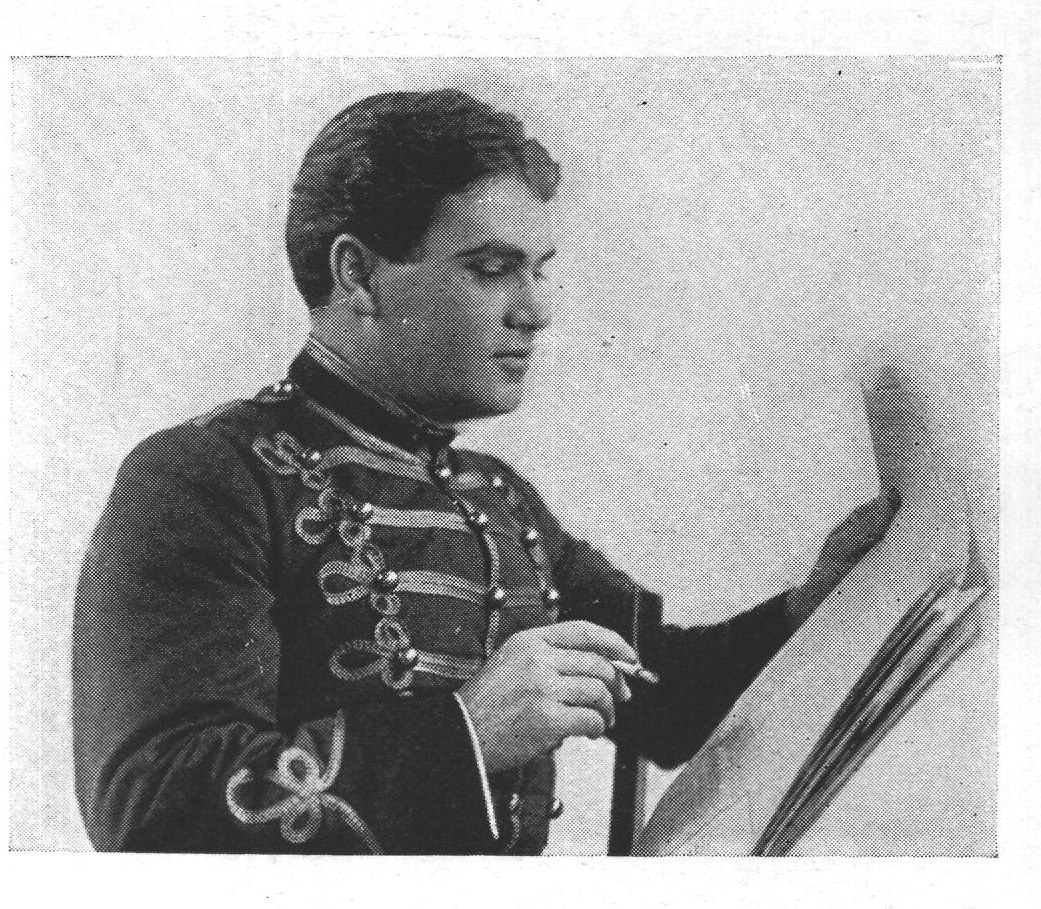
Riccardo Martin

GRAPE CONSERVE
Grapes, one-half peck. Oranges, two. Lemons, two.
Nuts, one cup. Sugar. Wash the fruit. Remove the stems from the grapes and cook until tender. Strain to remove the skins and seeds. Add the juice of the oranges and lemons and let come to a boil. Add an equal quantity of sugar and the nuts and cook until thick. Pour into sterilized jars and seal when cool.
A standard early twentieth-century grape conserve, and typical of its era in leaving the preserving step to chance. The cooking is sound; the canning is not.
- Why this fails as writtenThe jars are filled and "sealed when cool," with no boiling-water process: the conserve goes in hot, but the jar stands open until cold. Cooling in an open jar lets airborne mold and yeast settle on the surface, and a cool seal traps no vacuum, so the lid may appear closed while the jar is not sterile. For shelf-stable grape conserve, follow a current tested recipe with a measured boiling-water process.
- The nuts compound itChopped nuts add oil and low-acid particles that shorten keeping life and go rancid in storage. Modern tested conserve recipes that include nuts specify when they go in and how the jars are processed, precisely because nuts change the equation.
- No sugar quantity is given"an equal quantity of sugar" most plausibly means equal to the strained pulp and juice, measured after straining, rather than to the raw grapes, but the recipe does not say. In a preserve the sugar is doing structural and preservative work, so the vagueness is not trivial.
- Half a peck of grapesA peck is eight dry quarts; half a peck of grapes runs roughly 6 to 7 lb, yielding somewhere around 3 to 4 pints of strained pulp depending on the variety.
- Straining implies slip-skin grapesCooking until tender, then straining out skins and seeds, is the method for Concords and other American slip-skin grapes with large seeds. Seedless table grapes need no straining and give a thinner, blander result.
- What "conserve" meantA conserve is a jam carrying whole fruit, citrus and nuts rather than fruit alone. The oranges and lemons here are for acid and aroma as much as flavour.
Grape conserve belongs to the American autumn preserving season, when Concord grapes came in by the bushel and every household with a cellar put up more than it could eat. The Concord, developed in Massachusetts in the mid-nineteenth century, is a slip-skin grape whose tough skins and hard seeds explain the straining step here; by the 1910s it was widely used as the American grape for jelly, juice and conserve alike. The attached name suggests a collection of dishes contributed by stage and opera performers, a popular charity-book format of the period, though the source book is not identified. Riccardo Martin was an American tenor of the Metropolitan Opera in those years, and the contribution is a competent domestic standard, the sort of thing a singer's household actually put up, rather than anything theatrical.