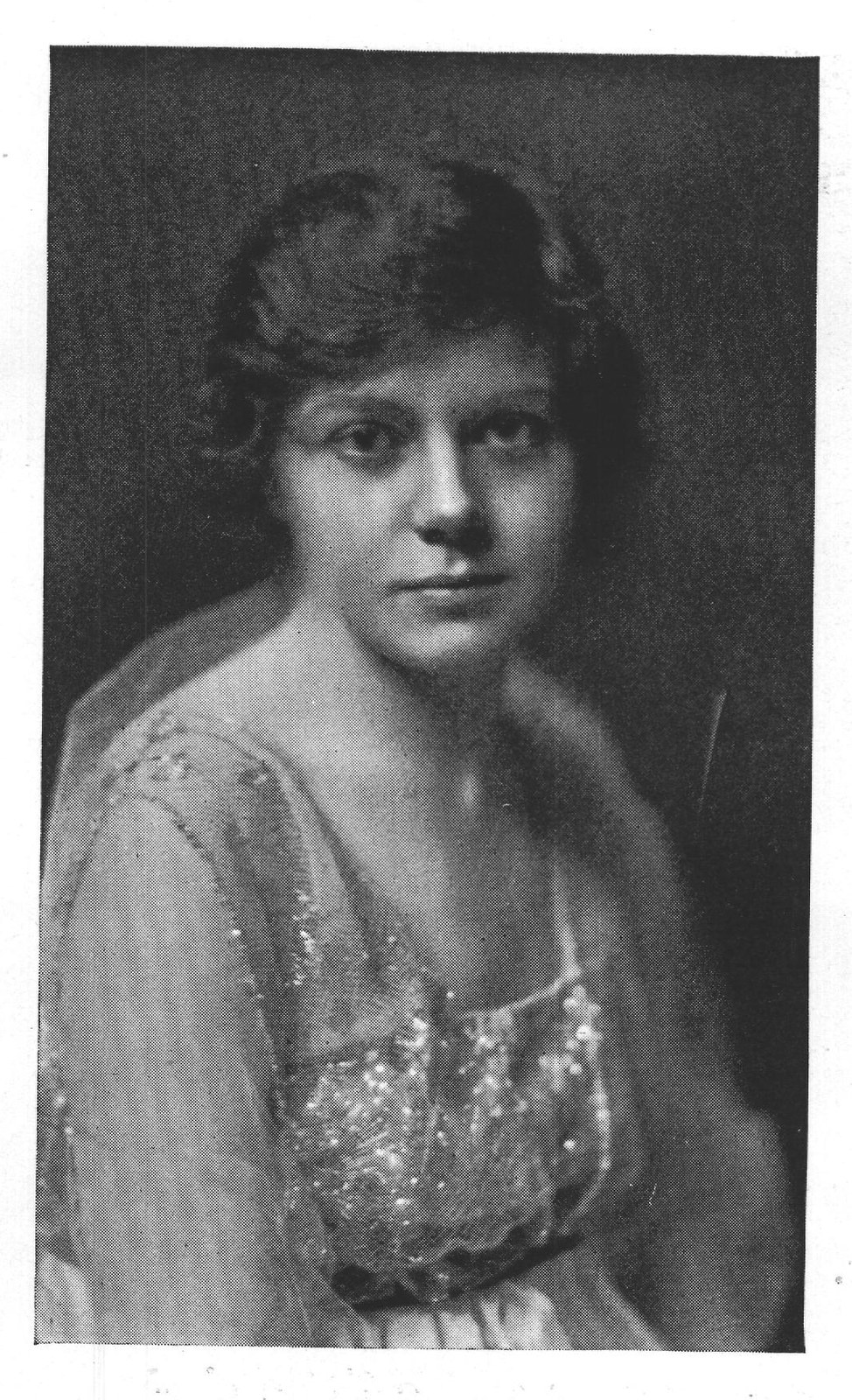
Kathleen Mcdonnell

2 tablespoons allspice 2 tablespoons flour Yolk of 1 egg 25 large clams in shells (alive) 1 large cup milk or cream 2 tablespoons butter Wash clams thoroughly; put in kettle with one pint boiling water and cook until shells open. Remove the clams and separate the dark part from the soft part and discard it. Chop clams finely and add them to the water in which they were cooked. Boil until thick and well cooked; then add allspice. Heat the milk.
When ready to serve, pour milk into clam broth; add the well-beaten egg yolks and a dash of red pepper, and strain.
Fondly yours,
A short, thin clam soup thickened mostly by reduction, with a garbled ingredient list typical of hastily set celebrity cookbooks. Read the list against the method before you start.
- The heading is scrambled"Lobster a la Washington" belongs to a different entry; what follows is only the clam bisque. Nothing in the method involves lobster.
- Allspice: reduce drasticallyTwo tablespoons of ground allspice in a soup this size is overwhelming and may well be a misprint for teaspoons. Start with a quarter teaspoon and taste; allspice should sit behind the clam, not on top of it.
- Orphan ingredientsThe flour and butter are listed but never used. If you want body, cook them into a blond roux and whisk the clam broth into it before the milk goes in; the reduction alone gives a very thin bisque.
- What to discardThe instruction is ambiguous. In period usage the "dark part" is the stomach and dark viscera, which is what goes out; keep the firm body and the soft belly meat. Modern practice with small hard-shell clams is simply to use the whole clam.
- ClamsTwenty-five large clams means quahogs or chowder clams, several pounds in the shell. Buy them closed and heavy, scrub them, and discard any that stay shut after cooking. Let the cooking liquid settle and pour it off the grit rather than stirring it in.
- Do not boil after the yolkThe hinge of the recipe. Temper the beaten yolk with a ladle of hot broth, return it off the heat, and hold the soup below a simmer or it will curdle and strain out as scrambled egg.
- "1 large cup"Read it as a generous cup rather than a level measure. Cream gives a rounder bisque than milk and is less likely to break against the clam liquor's salt.
- YieldPerhaps four small first-course servings; the recipe gives none. Salt only at the end; clam broth reduced "until thick" concentrates its own salt considerably.
This comes from the wave of theatrical charity cookbooks in which actors and actresses contributed a favorite dish along with a signature and a closing flourish -- here "Fondly yours." The recipes were often taken down quickly and set in type by people who were not cooks, which is why ingredient lists run together across entries and why butter and flour appear here with nothing to do. The dish itself is plain New England kitchen work: hard-shell clams opened in their own steam, chopped back into the liquor, reduced, and finished with milk and an egg yolk. Calling it a bisque stretches the French term, which is generally said to have meant a shellfish soup thickened with rice or pounded shell; American cooks seem to have used "bisque" more loosely for any creamed shellfish soup.