Beef Tea
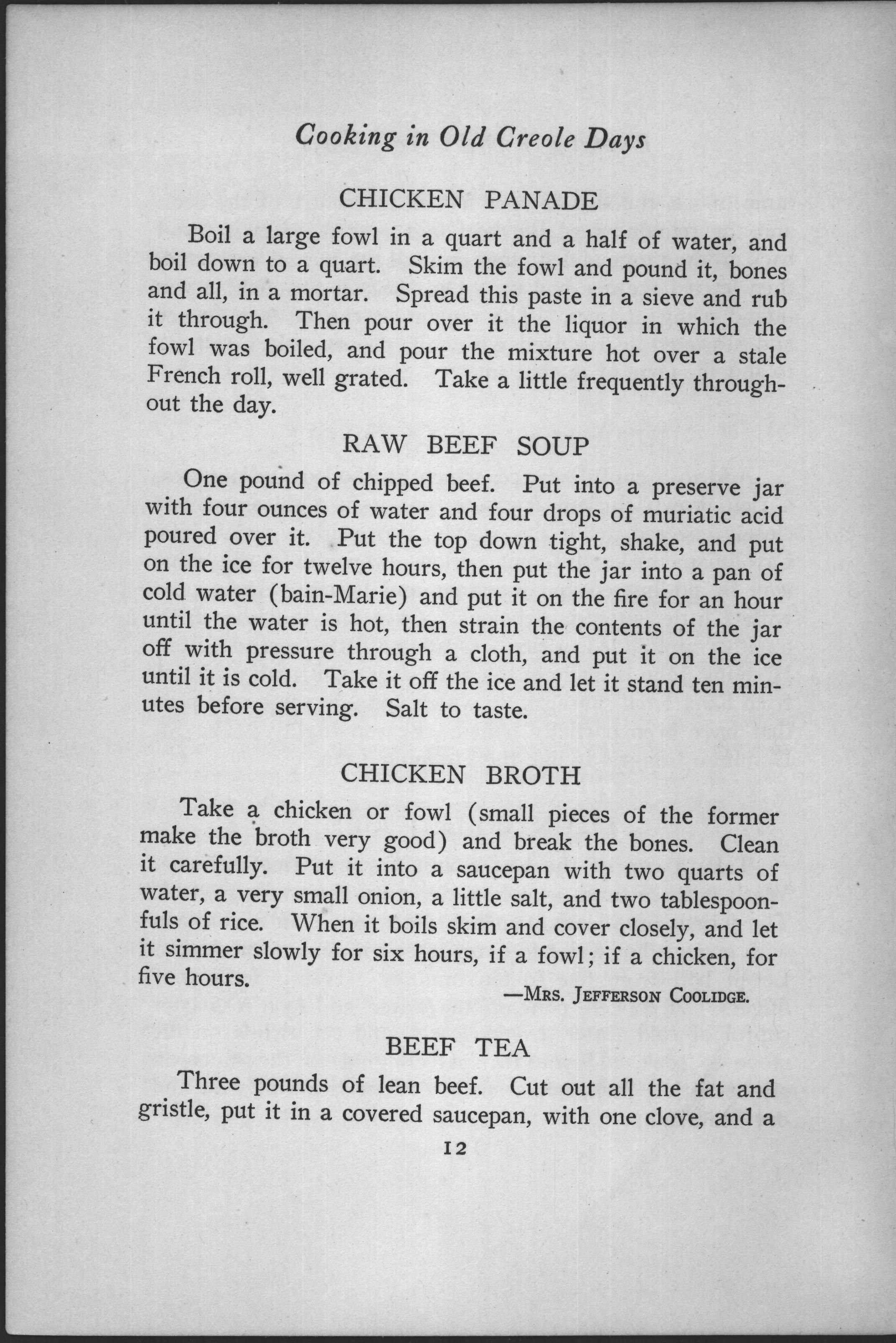
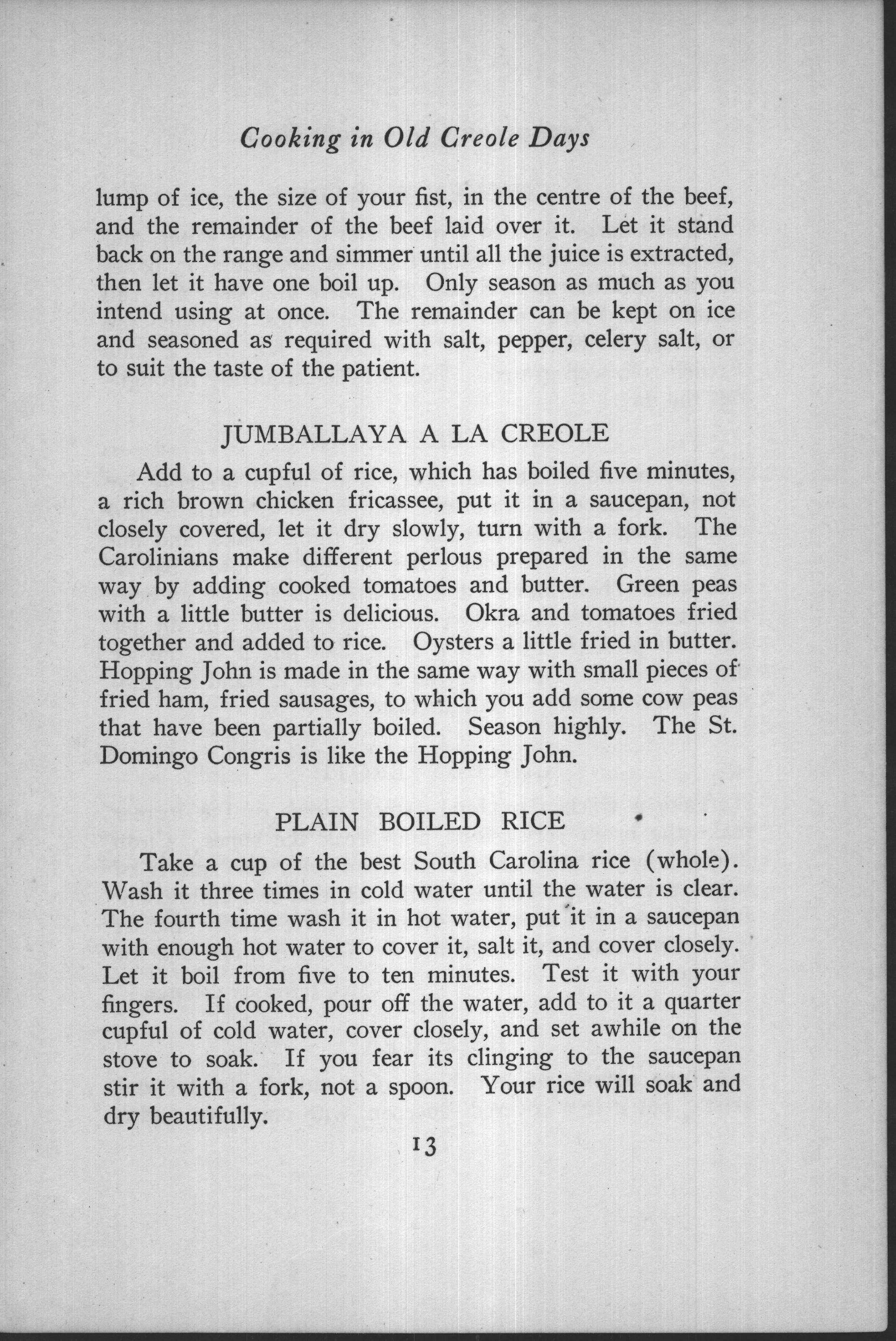
Three pounds of lean beef. Cut out all the fat and gristle, put it in a covered saucepan, with one clove, and a lump of ice, the size of your fist, in the centre of the beef, and the remainder of the beef laid over it. Let it stand back on the range and simmer until all the juice is extracted, then let it have one boil up. Only season as much as you intend using at once. The remainder can be kept on ice and seasoned as required with salt, pepper, celery salt, or to suit the taste of the patient.
The most famous invalid food of the Victorian age: not a stew but the pure, extracted juice of beef, coaxed out over low heat. A curiosity today, but a safe and simple one.
- It’s extracted juice, not soupThe goal is to draw the savory juices out of lean beef with gentle heat and no real boiling — you end up with a small amount of intense, brothy liquid, not a potful.
- The “lump of ice”Starting with a lump of ice buried in the beef was a way to begin low and slow, drawing juices before the meat seized. Modern method: barely simmer chopped lean beef with a little water and strain.
- Season just before servingAs the recipe says, salt only what you’ll drink now; the rest keeps refrigerated and gets seasoned fresh.
- Modern equivalentA concentrated, well-strained beef broth or consommé is the direct descendant — and far more practical to make in quantity.
Beef tea was a Victorian obsession. The belief that the “essence” of beef could restore the sick built entire industries — Liebig’s Extract of Meat, and later Bovril, were commercial answers to exactly this recipe, sold by the jar to a public convinced of their power. Ironically, chemists eventually showed that beef tea holds very little actual nourishment; its virtues were mostly warmth, salt, savor, and comfort. But as a window into how our great-grandparents nursed the ill, few foods say more.
From page 12 of the 1904 edition.
Original pages from the book