Dutch Sauce
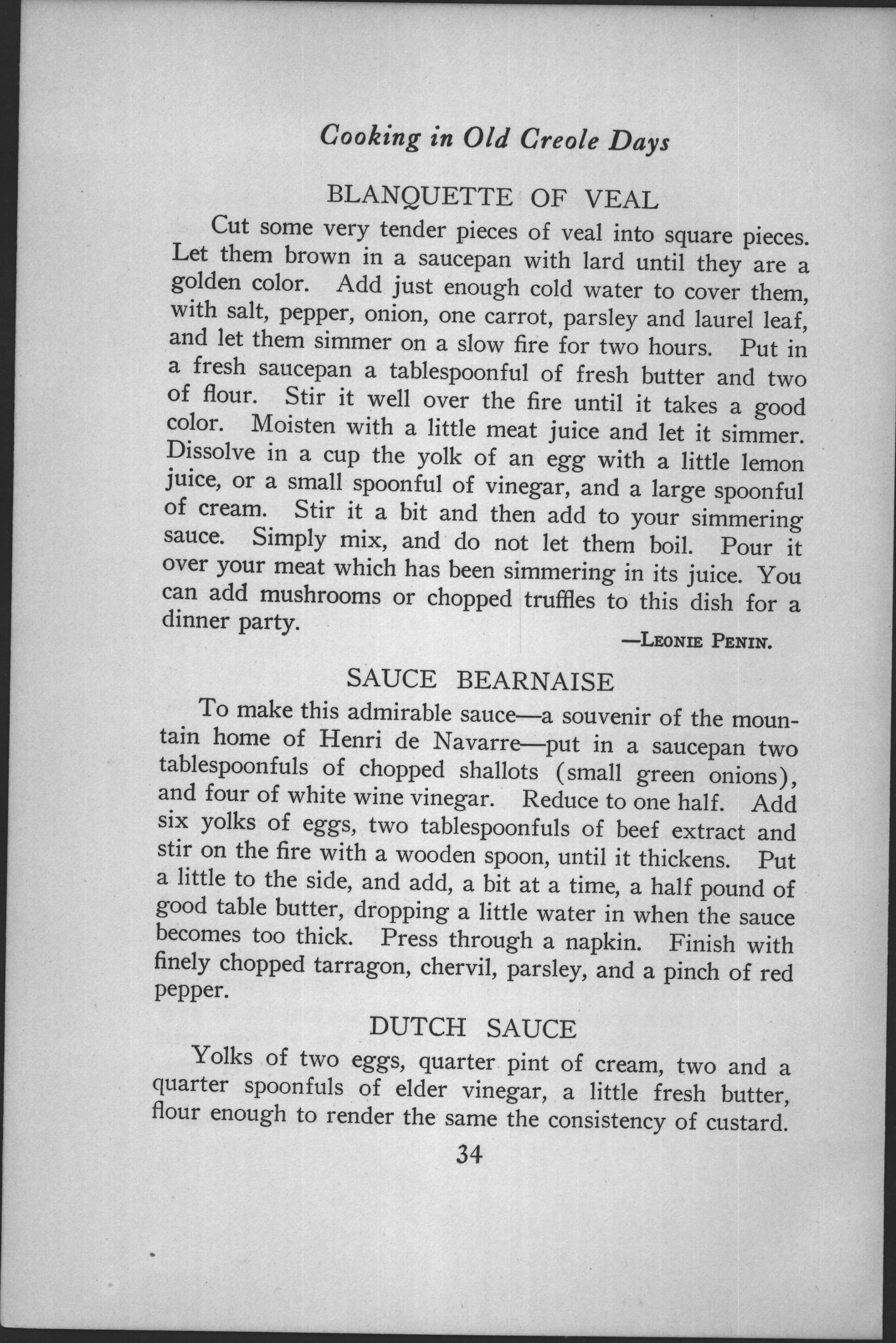
Yolks of two eggs, quarter pint of cream, two and a quarter spoonfuls of elder vinegar, a little fresh butter, flour enough to render the same the consistency of custard.
“Dutch sauce” is simply the old English name for hollandaise — a warm, tangy egg-and-butter emulsion, here thickened with a little flour for stability.
- Cream measureA “quarter pint” of cream is ½ cup (4 fl oz).
- “Elder vinegar”An elder-infused vinegar (best made from elderflowers); substitute white wine vinegar, with a drop of elderflower cordial if you have it.
- The flour is unusualA true hollandaise has no flour; this version uses “flour enough” for a custard body — think 1–2 tsp — making a more forgiving, stable sauce.
- Gentle heat onlyCook the yolks over low heat or a double boiler until it thickens like custard (about 160°F); boiling will curdle it.
- Serve warm and freshEmulsion sauces don’t hold or reheat well — make it just before spooning over fish or vegetables.
“Dutch sauce” and sauce hollandaise are one and the same — hollandaise simply means “in the Dutch style.” It is one of the five ‘mother sauces’ of French cooking later codified by Escoffier, parent to béarnaise and many others. Why “Dutch”? The name is old and its origin genuinely uncertain, but it is usually tied to Holland’s long reputation for fine butter and eggs — the two things a good hollandaise depends on almost entirely.
From page 34 of the 1904 edition.
Original page from the book