How to Make a Caramel
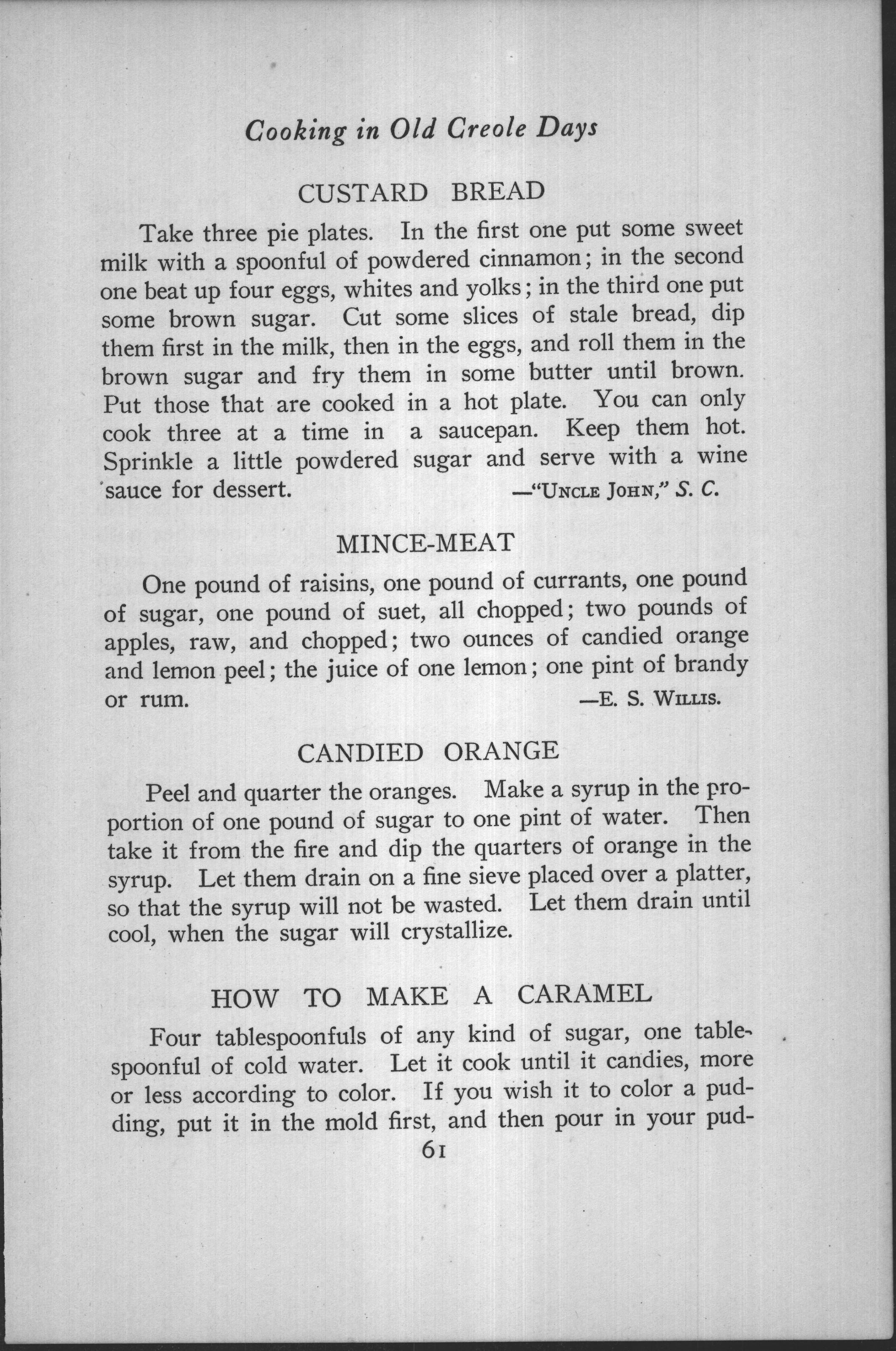
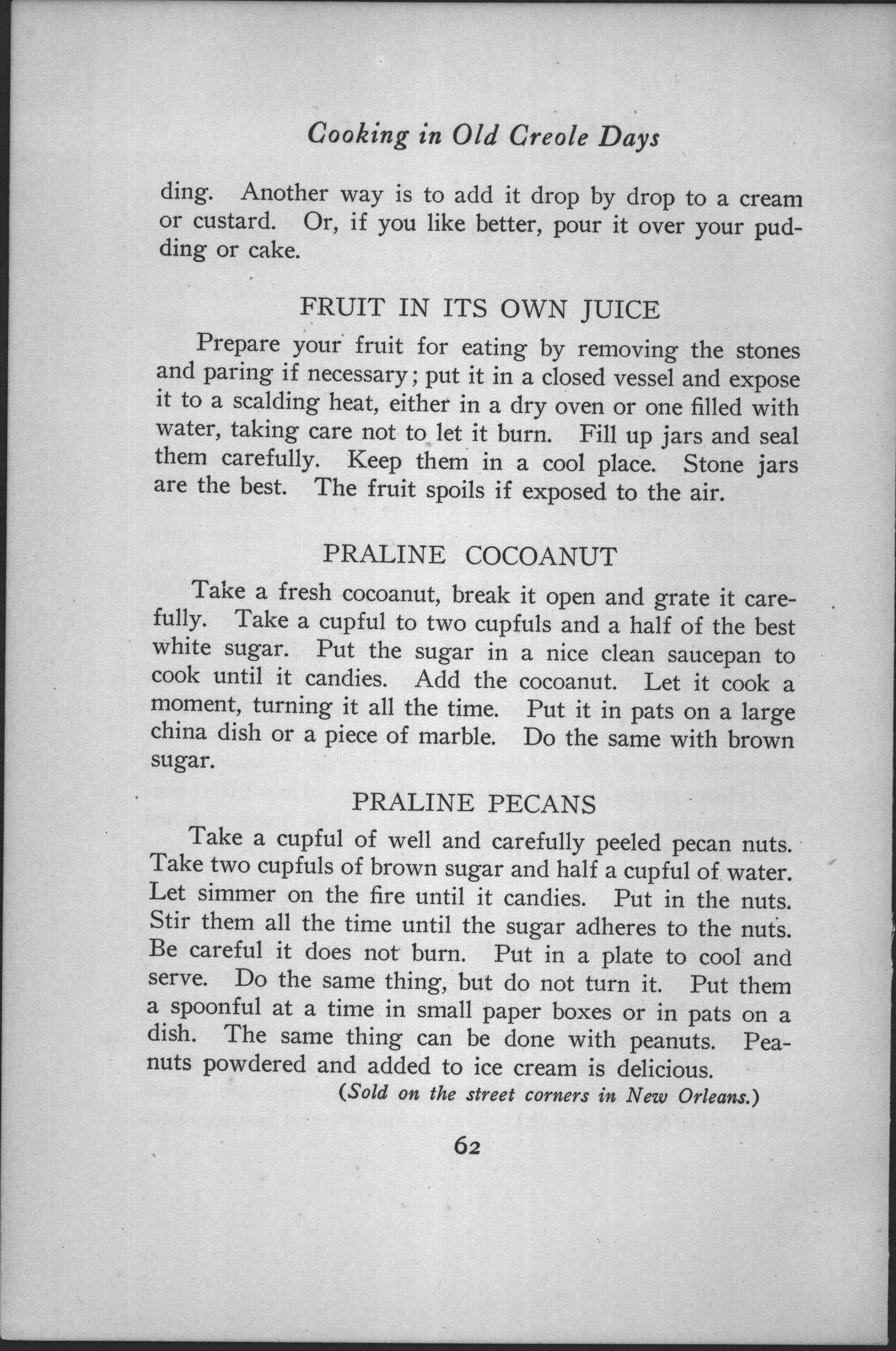
Four tablespoonfuls of any kind of sugar, one tablespoonful of cold water. Let it cook until it candies, more or less according to color. If you wish it to color a pudding, put it in the mold first, and then pour in your pudding. Another way is to add it drop by drop to a cream or custard. Or, if you like better, pour it over your pudding or cake.
The basic burnt-sugar caramel that colors and flavors half the puddings in this book — sugar and a little water cooked until it browns.
- “Until it candies”That means until the sugar melts and caramelizes — the longer it cooks, the darker and more bitter the color and flavor.
- Watch the colorPale gold is sweet and mild; deep amber is rich and faintly bitter; past that it scorches — pull it off the heat a shade early, as it keeps cooking.
- Molten sugar burns — take careCaramel climbs well past 300°F and sticks to skin; keep children back, and never taste or touch it hot.
- Three usesLine a mold before adding pudding; stir it drop by drop into custard for color; or pour it over a finished cake.
- If it seizesA caramel that hardens can be gently remelted; adding a little hot water (stand back — it spatters) loosens it into a sauce.
Long before bottled food colorings, cooks reached for burnt sugar as their coloring of choice. A spoonful of dark caramel deepened the brown of a gravy, a fruitcake, or a custard, and it remains the basis of the commercial “caramel color” that tints everything from colas to sauces today. The chemistry is a quiet marvel: heat alone breaks sugar down into hundreds of new compounds, building color and that toasty, bittersweet flavor from a single white ingredient. A recipe titled simply “How to Make a Caramel” treated it, rightly, as a kitchen fundamental worth knowing by heart.
From page 61 of the 1904 edition.
Original pages from the book