Home › B › Bread-and-Butter Fritters
Bread-and-Butter Fritters
INGREDIENTS for dish for 4 or 5 persons.- Batter, 8 slices of bread and butter, 3 or 4 tablespoonfuls of jam. AVERAGE COST, 9d.
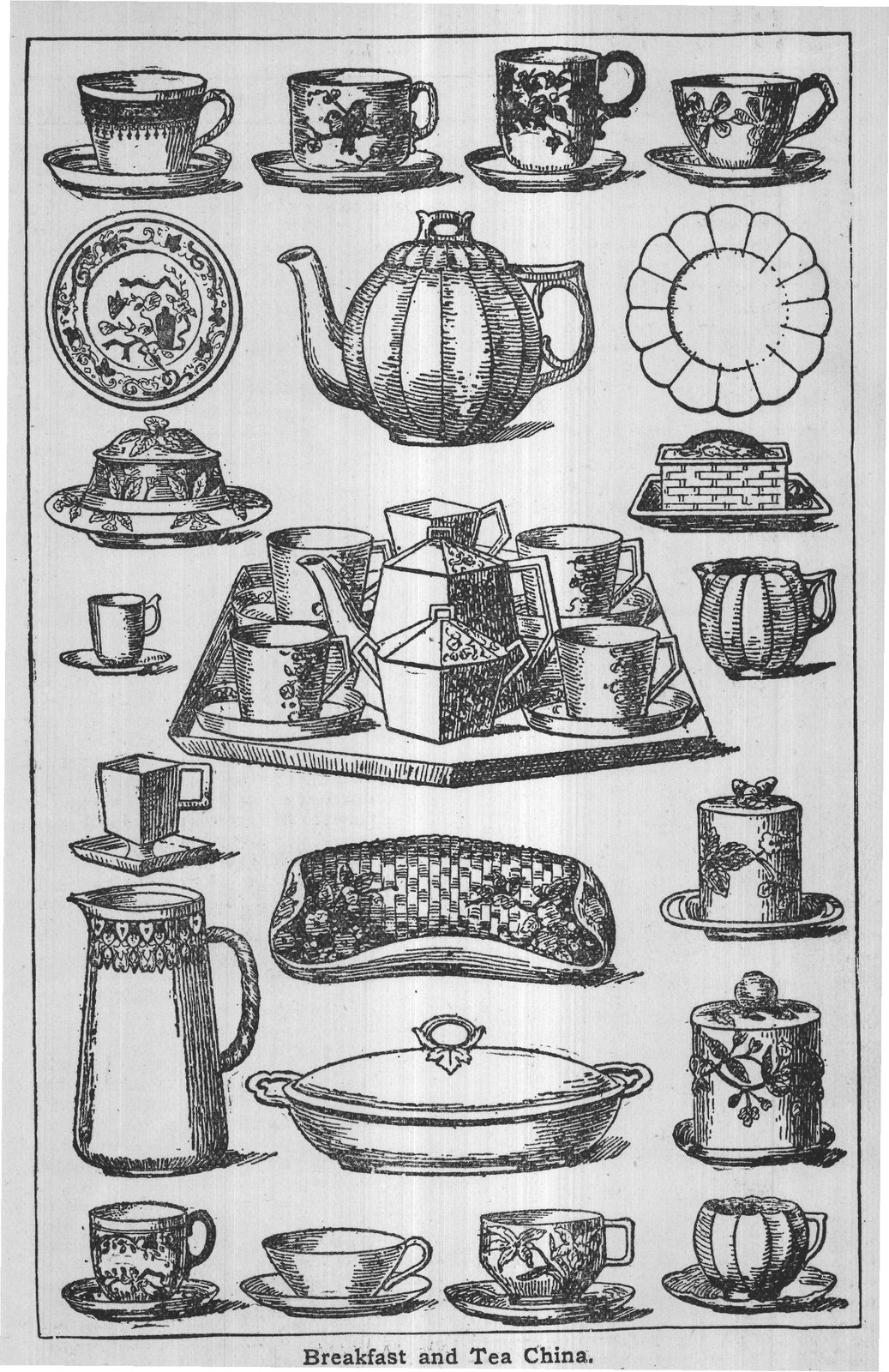
Make a batter, the same as for apple fritters; cut some slices of bread and butter, not very thick; spread half of them with any jam that may be preferred, and cover with the other slices; slightly press them together, and cut them out in A Breakfast and Tea China. 4 Breakfast Cups, 2 Bread and Butter Plates, 1 Teapot, 1 Butter Dish, t Sardine Box 2 Coffee Cups, Afternoon Tea Set, 1 Milk Jug, 1 Bread Dish, I Bacon Dish I Marmalade Jar, 4 Tea Cups,
BRILLA SOUP. and garnish with cut lemon, parsley, horseradish and a little lobster coral sprinkled over the fish. Send lobster or shrimp sauce and plain melted butter to table with it.
TIME. After the water boils, a small brill, 10 minutes: a medium-sized brill, 15 to 20 minutes a large brill, 1/2 hour.
SEASONABLE from August to April.
A Victorian way of using up bread and butter: jam sandwiches, battered and fried. The recipe leans on the batter given elsewhere in the book for apple fritters, so that is the first thing to settle.
- The batterThe recipe sends you to the book's apple fritter batter, a plain frying batter of flour, salt, egg and milk or water. Aim for the consistency of thick cream: it should coat the back of a spoon without sliding off; too thin and the jam bleeds into the fat.
- Bread and butter, literallyThe slices are buttered before the jam goes on, as the name of the dish implies. A firm, close-textured white loaf a day old holds up best; fresh soft bread collapses.
- Cutting them outThe sentence breaks off here, but the instruction is to cut the sandwiches into shapes (Beeton gives square, long or diamond-shaped pieces), then dip each one in batter and fry.
- Frying temperatureDeep fry at 350-375F. Below that the bread soaks fat and goes leaden; much above and the batter colours before the inside warms through. Two to three minutes, turning once, is enough since nothing inside needs cooking.
- Sealing the jamUse a thick, well-set jam and keep it well back from the edges. Loose or runny preserve boils out into the fat, scorches, and spits.
- Draining and servingDrain on paper, dust with caster sugar and serve at once; they are dismal lukewarm. Eight slices makes four sandwiches, cut into perhaps a dozen small fritters, which the book reckons a dish for four or five.
- The costNinepence in pre-decimal money, printed at the head of the recipe as the book does throughout. It is a cheap dish made from storecupboard staples.
Fried bread-and-jam sandwiches belong to the large Victorian family of thrift puddings, alongside bread pudding, poor knights of Windsor and queen of puddings, all of which exist because a household bought bread by the quartern loaf and could not let any of it go stale unused. Beeton's book groups them under fritters, a category that in the nineteenth century covered almost anything dipped in batter and dropped into hot fat, from apple rings to oysters. The dish is traditionally linked to the older English "poor knights" and to the French pain perdu, though those use an egg-and-milk soak rather than a proper coating batter; the batter here is what keeps the jam sealed in and gives the crisp shell. Its appearance in a general household manual, with an average cost printed at the head, is characteristic of Beeton's method: every dish costed, so a mistress could budget a week's meals from the page.