Home › Cake-Making › Ice-Cream Icing for Cake
Ice-Cream Icing for Cake
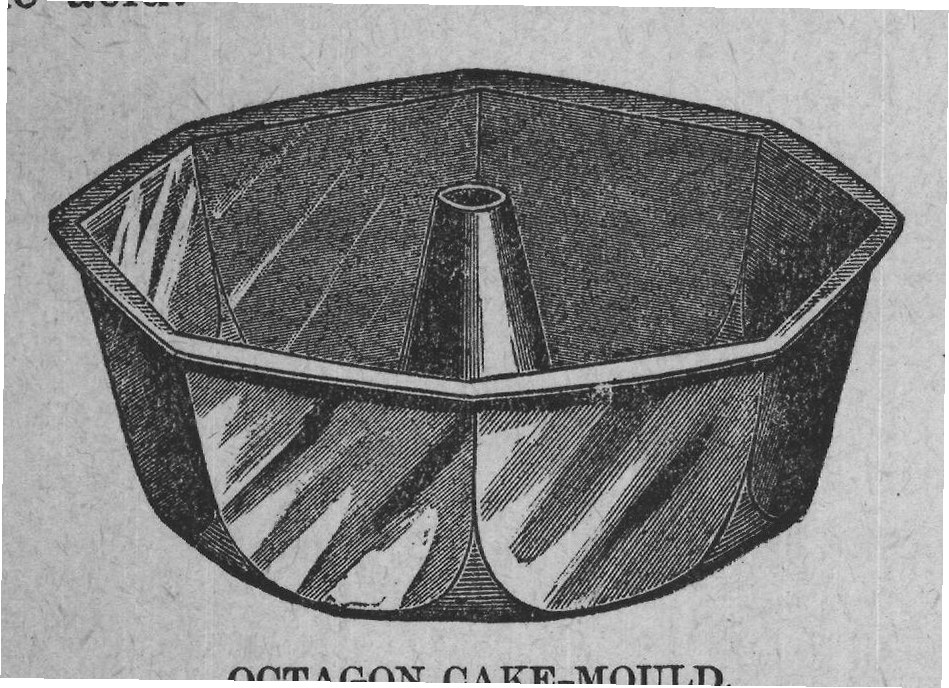
This is used for white cake: Take two cups of white sugar boiled to a thick syrup; add three teaspoonfuls of vanilla, and when cool, the whites of three eggs beaten to a froth; flavor with two teaspoonfuls of citric acid.
This is a boiled-sugar icing in which the egg whites go in after the syrup has cooled, which is the whole problem with it. The notes below explain the reading of the text and why the method fails modern food-safety practice.
- Why it is unsafeIn an Italian-meringue icing the point of the boiled syrup is that it is poured over the whites while near 240F, which cooks them. Here the syrup is explicitly cooled first, so three raw whites are beaten into sugar and spread on a cake that is never heated again. Raw shell eggs carry a risk of Salmonella, and nothing in this method reduces it.
- Citric acid is not a safeguardTwo teaspoonfuls of citric acid will make the icing noticeably sour, but acidity at this level does not pasteurise egg white. The recipe itself presents it only as a flavouring ('flavor with two teaspoonfuls'), not as a preservative. Use a current recipe if you want a white boiled icing.
- The stray first line"OCTAGON CAKE-MOULD. This is used for white cake" has nothing to do with the icing that follows and appears to be display or caption text for a cake mould that has run into the recipe; it reads as a label rather than an instruction.
- "Boiled to a thick syrup"The book gives no temperature and no test. In period usage the phrase points somewhere around the thread-to-soft-ball range, and cooks generally judged it by dropping a little into cold water rather than by thermometer.
- Three teaspoonfuls of vanillaThat is a full tablespoon, and it goes into the syrup while still hot, so some of the alcohol and volatile aroma will be lost. It is a generous quantity by modern measure.
- YieldTwo cups of sugar with three whites should make roughly enough to fill and cover a two-layer cake, though the recipe states no yield.
"Ice-cream icing" in late nineteenth-century American cookbooks has nothing to do with frozen dessert; the name appears to describe the finish, a smooth opaque white, as against the grainy water-and-sugar glaze or the hard, brittle royal icing made with unboiled whites. Boiled icings of this kind belong to the same period as the tall white layer cake and the fancy cast tins sold alongside them. Citric acid, sold in crystals by grocers and druggists, was a familiar household souring agent standing in for lemon juice, useful in white cakes and icings because it added tartness without adding colour.