Home › Some Useful Recipes › Oyster Fritters (Make a stiff batter of eggs)
Oyster Fritters (Make a stiff batter of eggs)
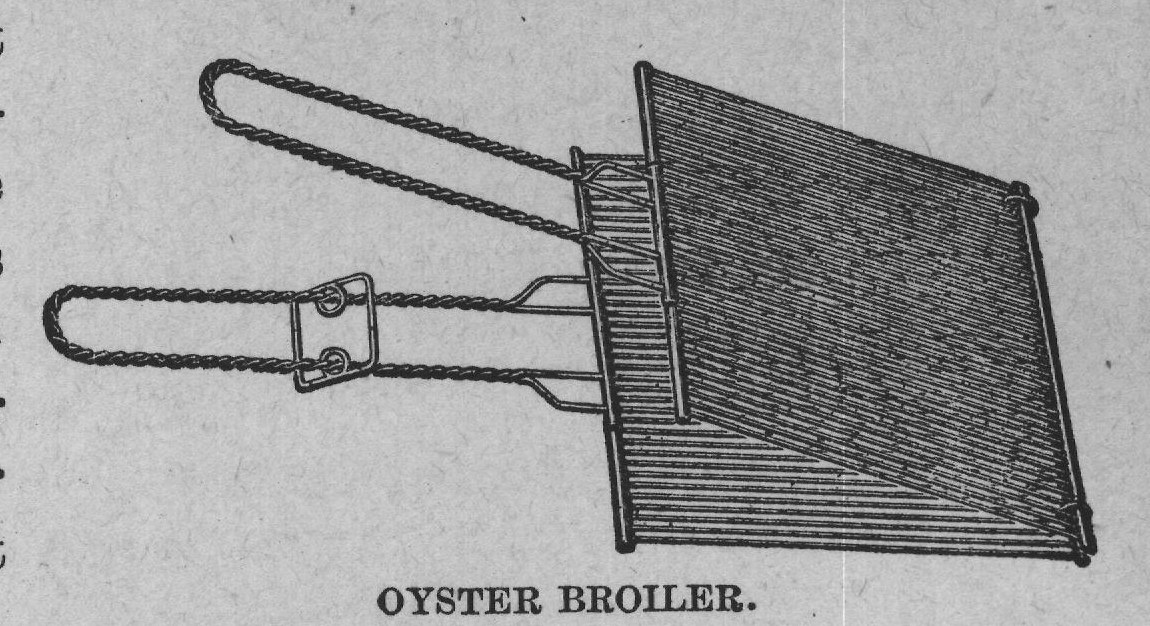
Make a stiff batter of eggs beaten, bread-crumbs, flour and milk, or cream; season with pepper and salt. Fry in a pan with butter or lard by dropping in a spoonful of batter, then an oyster or two according to size, and cover with more batter. Cook both sides brown by turning.
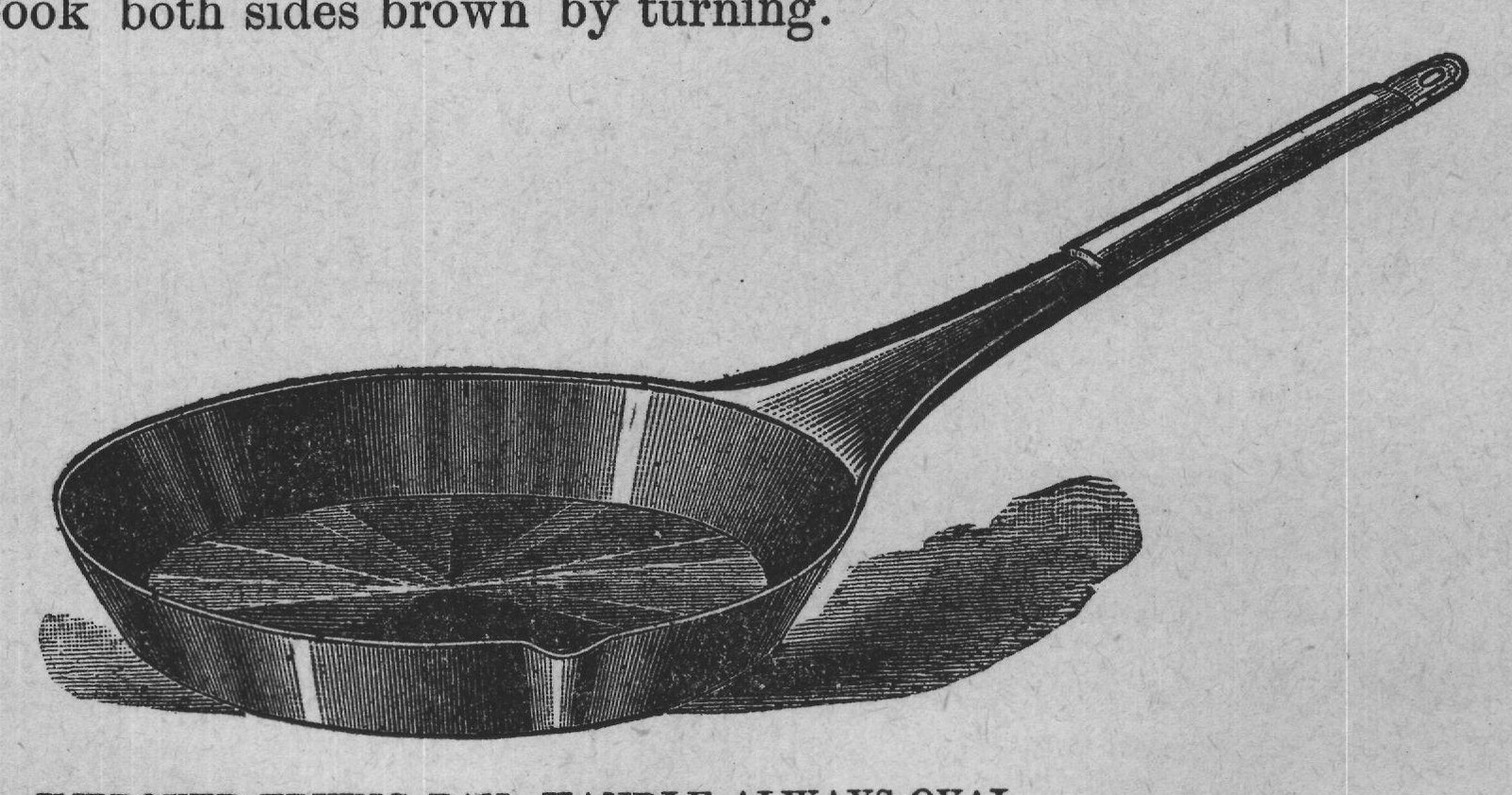
The instructions give no quantities at all, which is normal for a book of this vintage — the cook was expected to know what a stiff batter looks like. A few notes on proportions, fat and timing will get you there.
- The batter, in numbersFor about 24 shucked oysters, 2 eggs, 1 cup flour, 1/2 cup fine dry breadcrumbs and roughly 1/2 cup milk or cream gives the "stiff" consistency intended — thick enough to mound on a spoon and not run in the pan. Add the liquid last and hold some back; oyster liquor will thin it further.
- Dry the oystersDrain the oysters well and blot them on a towel before they go into the batter. Wet oysters make the coating slide off and spit in the fat.
- Fat and temperatureThese are shallow-fried, not deep-fried. Use about 1/4 inch of butter, lard or a neutral oil at 350–365F; butter alone will brown too fast, so cut it with oil if you want the flavour.
- TimingTwo to three minutes a side is enough. The batter browns at about the rate the oyster needs, and an oyster held longer than that tightens into rubber.
- One oyster or twoThe original hedges "an oyster or two according to size." Judge by the oysters in front of you: one per fritter is right unless they are very small.
- Yield and servingAbout 20 to 24 fritters, serving four as a first course. Lemon or vinegar, or a plain tartare-type sauce, suits them; drain on paper and salt them as they come out of the pan.
- The stray last line"IMPROVED FRYING-PAN-HANDLE ALWAYS OVAL" is not part of the method. It reads as advertising or catalogue copy set into the page beside the recipe.
- The titleThe heading and the text disagree — the recipe is captioned "Oyster Broiler" but nothing is broiled. Fried batter fritters are what the instructions describe.
Oysters were cheap protein in nineteenth-century America, hawked from carts and barrels in inland cities as well as on the coast, and a household book of this kind treats them as an everyday ingredient rather than a luxury — hence a recipe with no quantities at all. Battered fritters of this type were a standard way to stretch a small measure of shellfish with eggs, flour and crumbs, and they turn up under a shifting set of names: fritters, cakes, puffs. The heading here, "broilers," is not supported by the printed method and looks like an error or misprint. The confident overproduction of the American oyster fishery in the second half of the century is what made such casual use possible; beds in the Chesapeake and around New York were being worked hard enough by the 1890s that scarcity, not abundance, would define the following century.