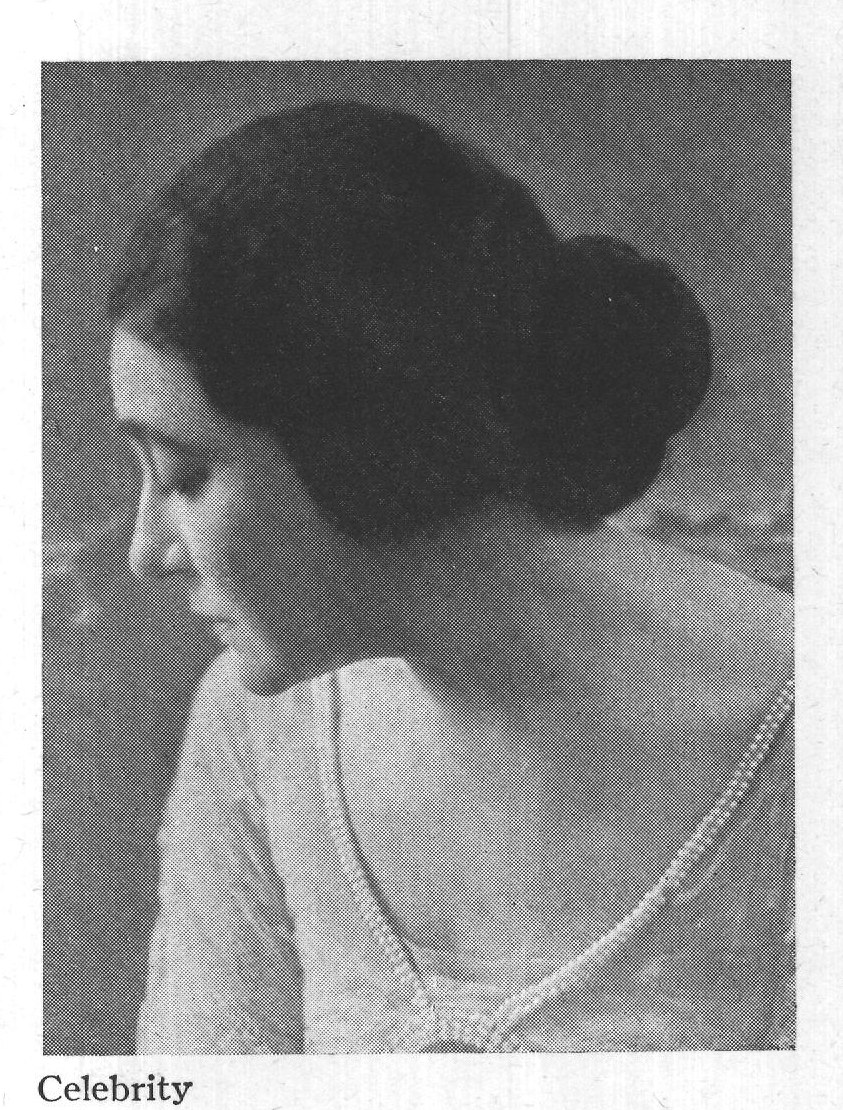
Bertha Kalich

SPECIAL CHAMPAGNE CUP
One bottle Cook's Imperial, Extra Dry (very cold).
One bottle sparkling water-well cooled. One glass curacao. One glass Cognac brandy. Peel of one-half lemon. Peel of one-half cucumber. Add powdered sugar to taste. Sufficiency!
Yours sincerely,
A period champagne cup: a bottle of sparkling wine stretched with soda and flavoured with citrus, cucumber and a little spirit. The whole method is in the temperature and the order of assembly.
- Everything must be cold before it meetsBoth bottles are specified cold for a reason — a cup is built, not shaken or stirred over ice, and warm wine foams away its gas the moment the soda hits it. Chill the wine, the water, the bowl and the glasses; refrigerate the bottles overnight rather than icing them down at the last minute.
- "One glass" is ambiguousIn cup and punch recipes of this era a "glass" of liqueur or brandy usually means a small wine or sherry glass, somewhere between 1 1/2 and 2 fl oz. The original gives no measure, so treat it as roughly 2 oz each of curaçao and Cognac and taste before adding the second.
- Cook's Imperial, Extra DryAn American sparkling wine produced in St. Louis and heavily advertised in the years before Prohibition. The St. Louis wine itself is long gone, though the Cook's name survives on a California sparkling wine; any dry sparkling wine — cava, crémant, an inexpensive brut — does the same job. "Extra Dry" on a sparkling label is, by modern convention, sweeter than "Brut," which may be why the recipe leaves the sugar to taste.
- Peel, not fleshBoth the lemon and the cucumber are used as peel only. Take the cucumber skin off in long ribbons with a vegetable peeler and avoid the watery flesh, which dilutes the cup and turns it cloudy. Pare the lemon thinly enough to leave the white pith behind or the drink turns bitter within the hour.
- Sugar last and sparinglyPowdered (superfine) sugar is called for because it dissolves in cold liquid; granulated will sit at the bottom. Add it a teaspoon at a time after the curaçao, which is already sweet, and stop while the cup still tastes dry.
- Assembly and steepingCombine the brandy, curaçao, peels and sugar in the pitcher or bowl first and let them stand cold for twenty to thirty minutes so the peel gives up its oils, then pour in the wine and soda just before serving. Stir once, gently, with a long spoon.
- YieldA 750 ml bottle of wine plus a bottle of sparkling water makes roughly 50 oz — eight to ten cup-sized servings, or six generous ones. It is a party quantity and does not keep; it goes flat within the hour.
- IceIf you prefer ice in the glass to a block in the bowl, use a single large cube per glass: it melts slowly enough not to wash out the flavour.
Celebrated Actor Folks' Cookeries (1916) collected contributions from stage people of the day, and a fair number of them sent in drinks rather than dinners, the champagne cup among them. The "cup" is an English form, older than the cocktail: a bottle of wine lengthened with soda and scented with citrus peel, borage or cucumber, served from a bowl or pitcher to a room full of people rather than mixed to order. Cucumber peel in particular is a signature of the Victorian and Edwardian cup, valued for a cool, green aroma that costs nothing and disappears if you use the flesh. Bertha Kalich, born in Lemberg in Galicia, was among the great tragediennes of the Yiddish stage in New York before crossing over to English-language productions, and the brand-name endorsement of Cook's Imperial in her contribution is a reminder of how thoroughly celebrity cookbooks of the period doubled as advertising. Within four years of publication, national Prohibition had put the drink itself out of reach.