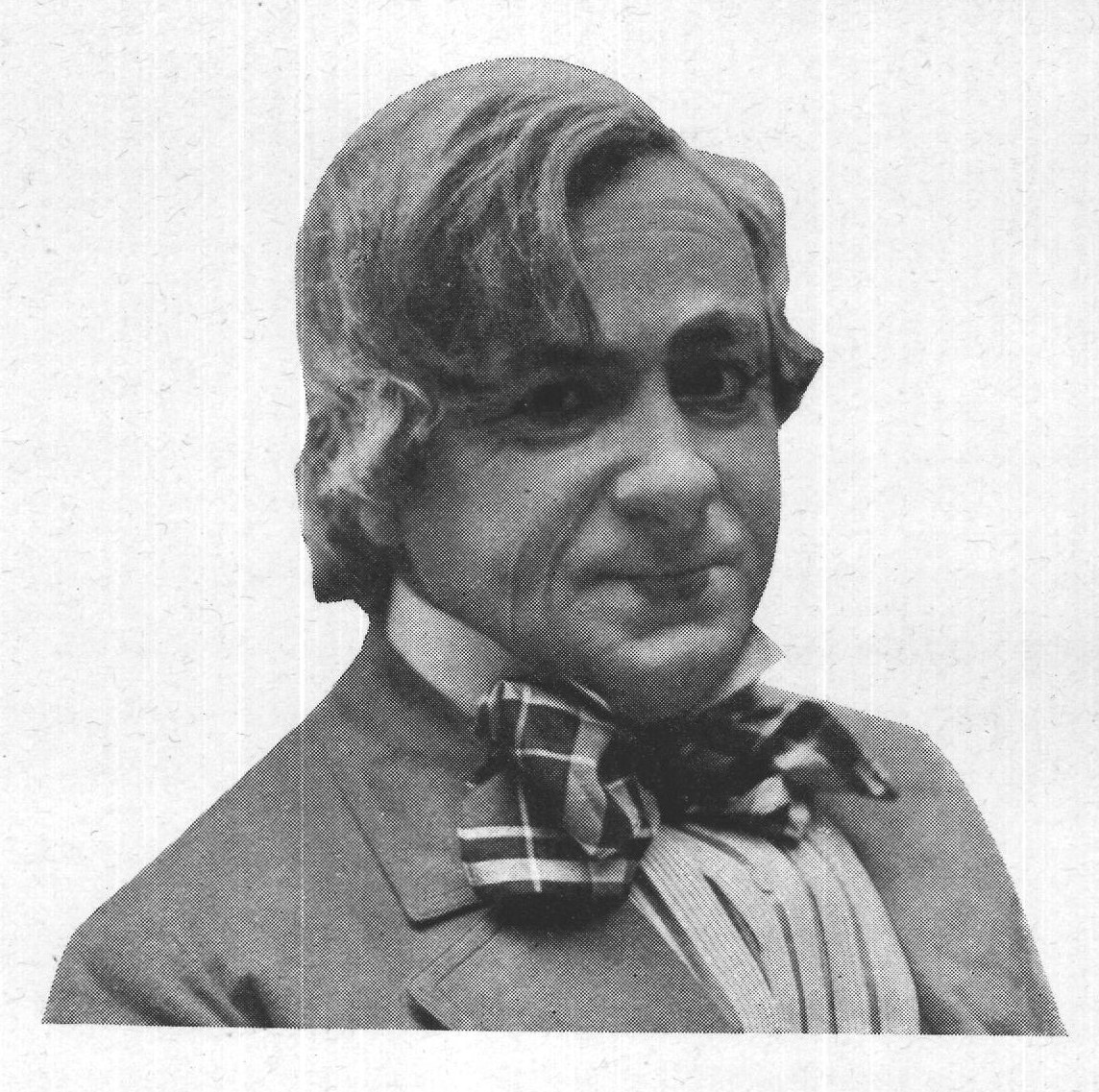
Sam Bernard

1 qt. pitted cherries 1 qt. red raspberries 1 qt. currants 2 qts. sugar 2 oranges, pulp and juice 1 lemon with chopped rind Cook fast until thick about three-quarters of an hour. Warm your glass jars then fill and seal. Always soak rubbers in warm water before using.
The fruit mixture itself is a perfectly ordinary conserve, but the sealing method belongs to an era before anyone understood why jars fail. A few notes on reading the page as printed.
- Three titles, one recipeThe heading runs together what were almost certainly separate entries from the contributor's page — a champagne cup, a sweet pickle and a cherry conserve. Only the conserve has instructions; the other two names are orphaned headings, not part of this method.
- Why not to seal it this wayThe recipe uses open-kettle canning: hot preserve poured into warmed jars and sealed with no processing afterward. The jar interior is never held at a known temperature and the headspace is not sterilised; whatever vacuum forms does so as the jar cools, with no way to know it has formed. Modern guidance abandoned this method because seals can fail silently and mould and yeast may colonise the surface later.
- "Rubbers"These are the rubber rings used to seal period jars, whether under a zinc screw cap or a glass lid held by a wire bail. Both the jars and the rings have long since been superseded, and old rubbers perish; a conserve put up on this hardware today has no reliable closure. Use a current tested preserving recipe with measured processing instead.
- The measurements are volume, not weightTwo quarts of granulated sugar is roughly 3 1/2 to 4 lb — a very high ratio, near equal parts sugar to fruit by weight. That sugar load is what carried the keeping quality, in place of any processing.
- CurrantsRed currants, not dried Zante currants. They are the pectin in this recipe, which is why no commercial pectin appears. Fresh currants are seasonal and regional in the United States; cultivation was restricted in many states for much of the twentieth century because of white pine blister rust.
- "Cook fast until thick"A hard rolling boil, uncovered, in the widest pan available. Three-quarters of an hour is plausible for this volume, though the real endpoint is a set — around 220F at sea level — not the clock.
- YieldThree quarts of fruit plus two quarts of sugar reduces to somewhere near five to six pints.
Conserves — jam stiffened with citrus and a second or third fruit, often with nuts — were a fixture of American preserving from the late nineteenth century, distinguished from plain jam by their mixed fruit and their whole chopped rind. This one belongs to the genre of celebrity contributor cookbooks, in which stage performers were asked for a favourite dish and the compiler printed whatever arrived, headings and all. Sam Bernard was a well-known dialect comedian of the New York musical stage in the 1900s and 1910s, and what he supplied here is a household recipe rather than anything theatrical. The run-together heading illustrates how loosely such books could be edited: three recipe titles collapsed into one line, with only the last one's instructions surviving. The instruction to soak the rubbers is a period detail — it assumes a kitchen where jars closed on a perishable gasket that had to be softened before it would seat.