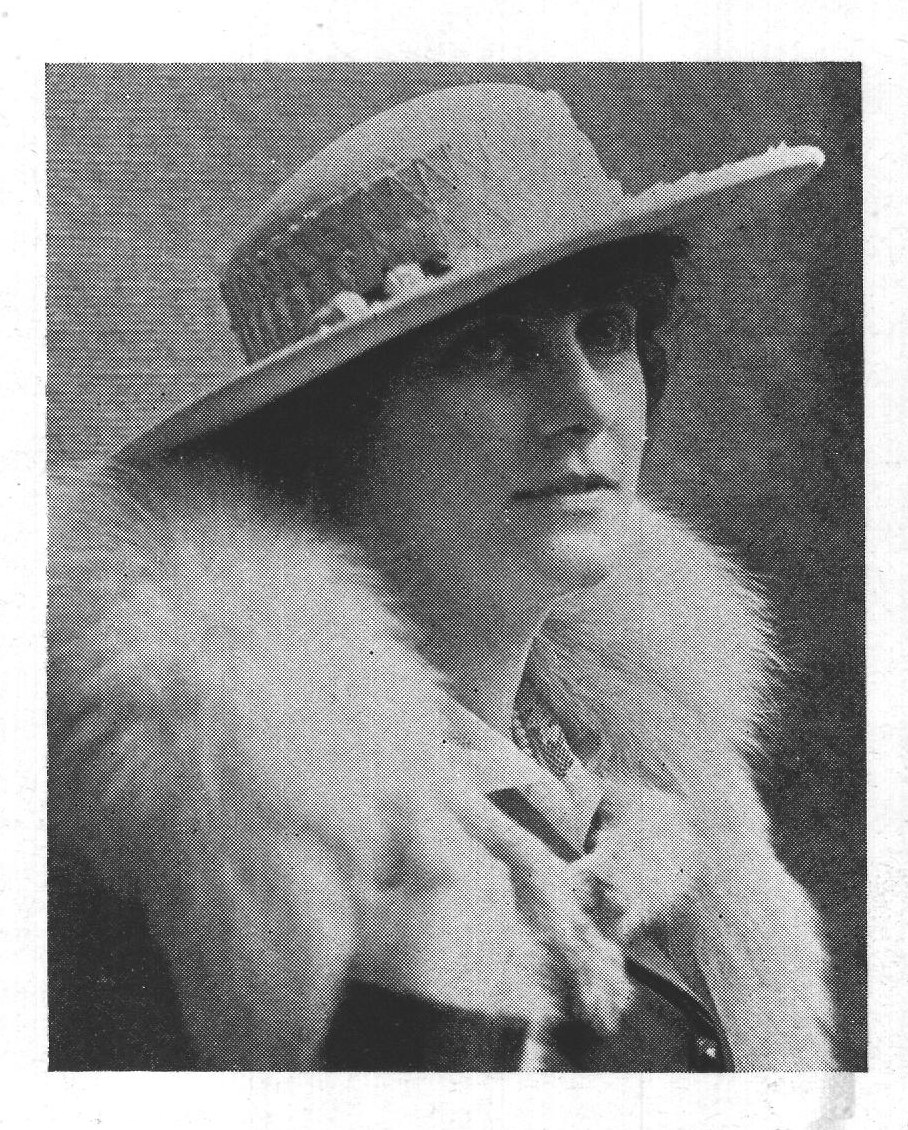
Linda Griffith

(MRS. D. W. GRIFFITH)
CHOCOLATE COOKIES
½ cup butter 1 cup sugar 1 egg 1/4 teaspoon salt 1/4 cup milk 2 squares chocolate 2½ scant cups flour 2 teaspoons Royal baking powder Mix in usual way, adding melted chocolate just before adding flour. Roll thin, shape with small cutter and bake, using high flame.
Linda a Gruffith
A plain rolled chocolate cookie from the era when "mix in the usual way" was all the instruction a cook expected. Two things need attention before you start: the butter quantity and what "high flame" means.
- The butter is almost certainly a typoThe butter is likely a typo -- 1½ cups (about 12 oz) of butter against 1 cup sugar and 2½ cups flour will not roll; it will be a greasy paste. A ½ cup of butter to 1 cup sugar fits the rest of the proportions far better, and is probably the intended figure.
- Squares of chocolateTwo squares means two ounces of unsweetened baking chocolate, sold in scored 1-oz squares then as now. Melt it and let it cool slightly so it does not seize the creamed butter.
- "High flame"The wording suggests a gas range. The book gives no temperature; for a thin rolled cookie a hot oven, in the region of 400F, is a reasonable modern equivalent. Six to eight minutes is likely enough, and thin dough of this kind scorches quickly, so watch the edges.
- Scant cups"Scant" means filled just below the rim rather than levelled off — perhaps a tablespoon short each. In practice, hold back a little of the second cup and add it only if the dough is too soft to roll.
- Royal baking powderA named brand of the sort that appears throughout cookbooks of this date. Any modern double-acting baking powder works at the same measure: two teaspoons for 2½ cups flour is close to, if slightly under, the usual modern proportion.
- Chilling before rollingThe recipe says nothing about it, but this dough handles far better cold. Refrigerate at least an hour, then roll thin -- about 1/8 inch -- on a lightly floured board, working with a portion at a time and keeping the rest cold.
- YieldWith a small cutter, roughly 5 dozen cookies from the corrected quantities. They keep well in a tin.
This comes from Celebrated Actor Folks' Cookeries (1916), a collection of recipes solicited from stage and screen performers — the sort of promotional cookbook that traded on a name rather than on culinary reputation, which is why the instructions are so brief and the signature is reproduced at the end. Linda Arvidson Griffith was an actress in the early Biograph one-reelers and the first wife of D. W. Griffith; by the time this book appeared the marriage had effectively ended, though she was still billed as Mrs. D. W. Griffith, and she later wrote her own account of those years in When the Movies Were Young. The recipe itself is unremarkable and all the more useful for it: a rolled chocolate wafer leaning on the newly ubiquitous chemical leavener, with the brand named outright, as was common in books whose printing costs were sometimes offset by the makers of such products. The garbled "Linda a Gruffith" beneath it may be a typesetter's slip or a mistranscription of a reproduced facsimile signature.