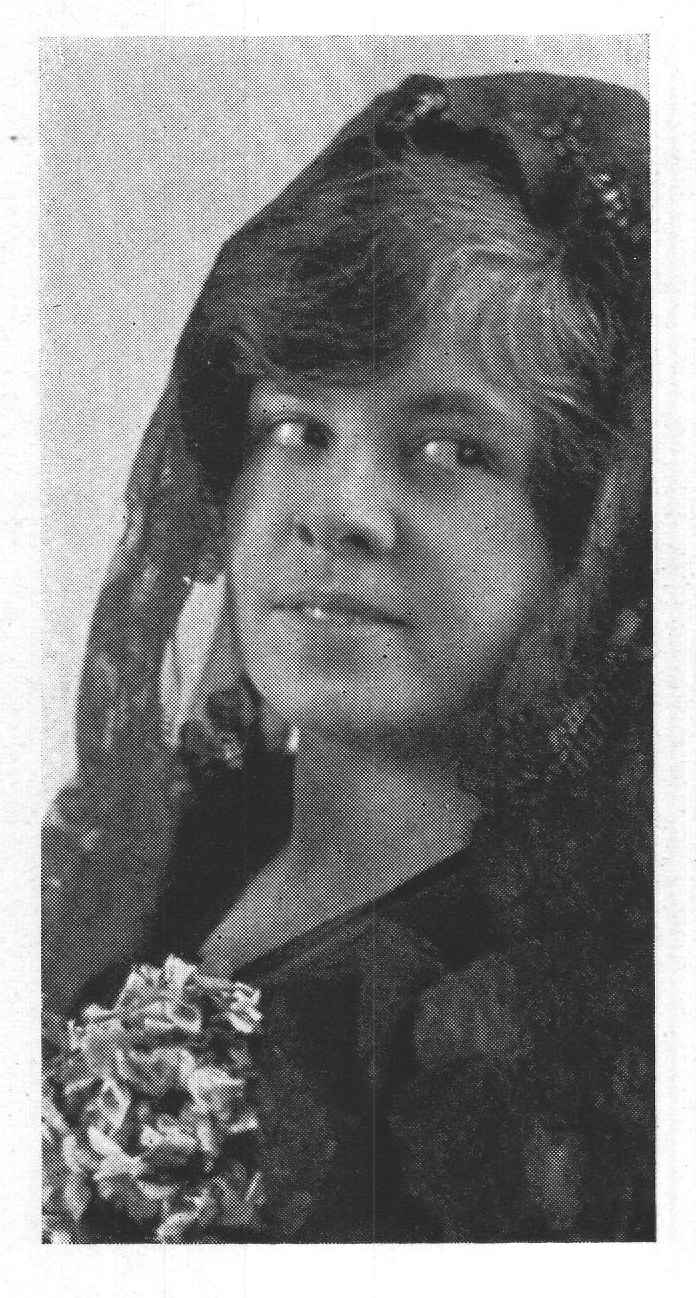
Maria Gay

BROILED BACON
The best way to cook bacon is to broil it. Cut the bacon in the thinnest possible slices, rejecting the rind. Lay the pieces close together on grill of a broiler. Drain the bacon on brown paper.
To serve calf's liver with bacon, sprinkle the liver with salt and pepper, roll it in flour and fry brown in the bacon drippings.
A two-line method with the heading of a different recipe still attached — "Grape Conserve" belongs to the entry above it, and the text that follows is entirely about bacon. No times, temperatures or quantities are given, so the useful work is in filling those in.
- What "broiler" meantIn this period a broiler could be a hinged wire gridiron held over coals or set on the range, or the broiling compartment of a gas range with an overhead flame; "grill of a broiler" does not say which. Under a modern broiler set the rack 4-5 inches from the heat; on a sheet pan in the oven, 400F works as well and spatters less.
- Thin slices are the whole point"The thinnest possible slices" is the hinge. Bacon cut thin renders and crisps in the dry heat of a broiler before it can dry out; thick-cut supermarket bacon will scorch at the edges while the centre is still flabby. Ask a butcher to shave it, or use standard-cut rather than thick.
- TimingNothing is stated. Thin slices under a broiler need roughly 2-4 minutes a side and go from brown to burnt in well under a minute, so watch them rather than trusting a clock.
- Rejecting the rindMost bacon sold today is already rindless. If yours has rind, cut it off and render it separately for dripping — under a broiler it curls and pulls the slice out of shape.
- Brown paperDraining fried and broiled food on brown paper, grocers' bag paper included, was commonly recommended in books of this period. Paper towels do the same job; a wire rack over a tray keeps the underside crisp if you are holding the bacon for a few minutes.
- The drippings problemBroiling sends fat into the pan below, where it is prone to smoking or catching. If you intend to fry liver in the drippings as directed, render the bacon in a skillet instead and keep the fat clean and at moderate heat.
- Cooking the liverCalf's liver wants 2-3 minutes a side over medium-high heat and should stay rosy at the centre. "Fry brown" in books of this period often meant cooked through, which turns liver grainy and metallic.
- YieldFigure 3-4 thin slices of bacon per person at breakfast, or 4-6 oz of liver per person with 2 slices alongside as a main course.
Broiling rather than frying bacon was a small point of pride in American cookery around 1900, when domestic-science writers argued that grilling over direct heat let the fat fall away and left the meat less greasy. The pairing with calf's liver, sprinkled, floured and browned in the bacon fat, was already an old restaurant and chophouse standard on both sides of the Atlantic, valued because liver is lean and needs the fat that bacon gives up. This entry comes from a collection of recipes contributed by stage performers, a popular fundraising and publicity format of the period; the results tend to be short, practical dishes. The "Grape Conserve" heading appears to be a stray from the preceding entry.