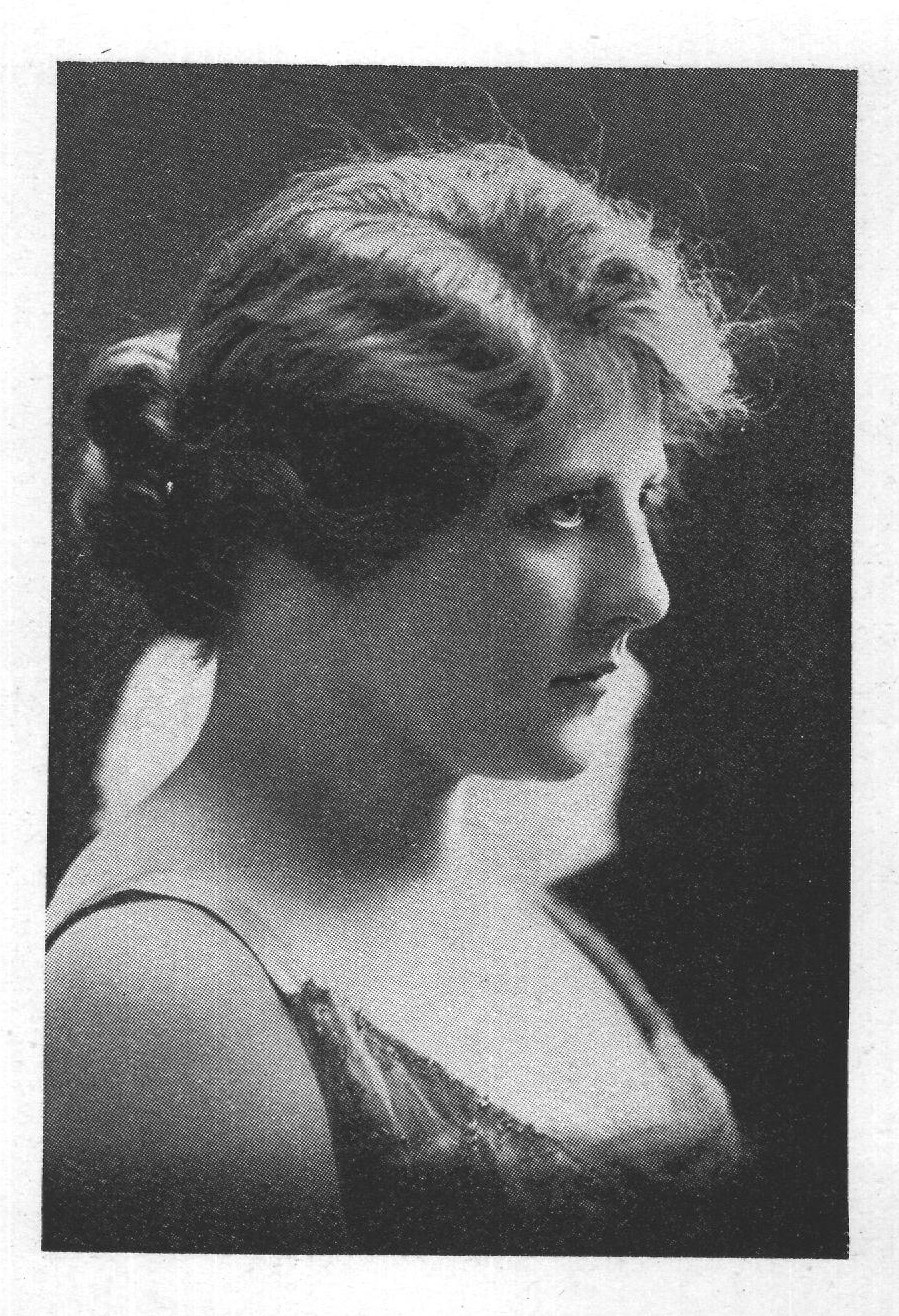
Dixie Gerard

Grate rind of one orange, add one tablespoon orange juice and let it stand one hour. Squeeze through a fine cloth into a bowl; add white of one egg (which remains from cake) and one scant cup powdered sugar. Beat two minutes and spread on cake.
Yours "sweetly,"
The page carries a stray heading from the previous entry, "Spinach with Egg Sauce," with no recipe attached; what follows is an uncooked orange frosting. It is a raw-egg-white icing, which is the reason it should not be made in this form.
- Why it failsThe white is beaten with sugar and juice and spread straight onto the cake, never heated. Nothing in the method brings the egg to a temperature that would inactivate Salmonella, and the frosting then sits at room temperature on a moist cake surface. Use a current frosting recipe instead.
- The sugar will not save itPowdered sugar and a tablespoon of citrus juice do not make an egg white safe. A scant cup of sugar against one white is nowhere near concentrated enough to be self-preserving, and the finished icing remains moist enough to support bacterial survival.
- "White of one egg (which remains from cake)"The instruction assumes a yolk-heavy cake batter has just been mixed, so the white is a leftover to be used up. Modern cooks are more likely to have a carton of whites, pasteurized or not; no such option existed when this was written.
- The maceration stepGrating the rind, adding juice and resting an hour is sound technique and worth remembering: it pulls the citrus oils out of the zest, and straining through cloth gives a clear, strongly perfumed liquid without bitter pith or specks. That part transfers to any orange icing.
- YieldOne white and a scant cup of sugar makes only a small quantity, probably enough to glaze the top of a single layer rather than to fill and frost a whole cake; the recipe itself states no yield.
Books of this kind — recipes solicited and printed with their contributors' signatures and sign-offs, here "Yours 'sweetly'" — were a standard fundraising and publicity format in the late nineteenth and early twentieth centuries, often sold for charities, theatrical funds or church benefits. The contributions in such books seem rarely to have been tested by an editor, which may be why headings collide and quantities go unexplained, as they do on this page. The frosting itself is a plain uncooked icing of the type generally called royal icing, a stiff paste of egg white and powdered sugar that hardens as it dries; before pasteurized whites and electric mixers it was among the quicker ways to finish a cake, requiring no boiled syrup and no thermometer. Orange rind steeped in its own juice was one common way to get citrus flavor into a kitchen with no bottled extract worth using.