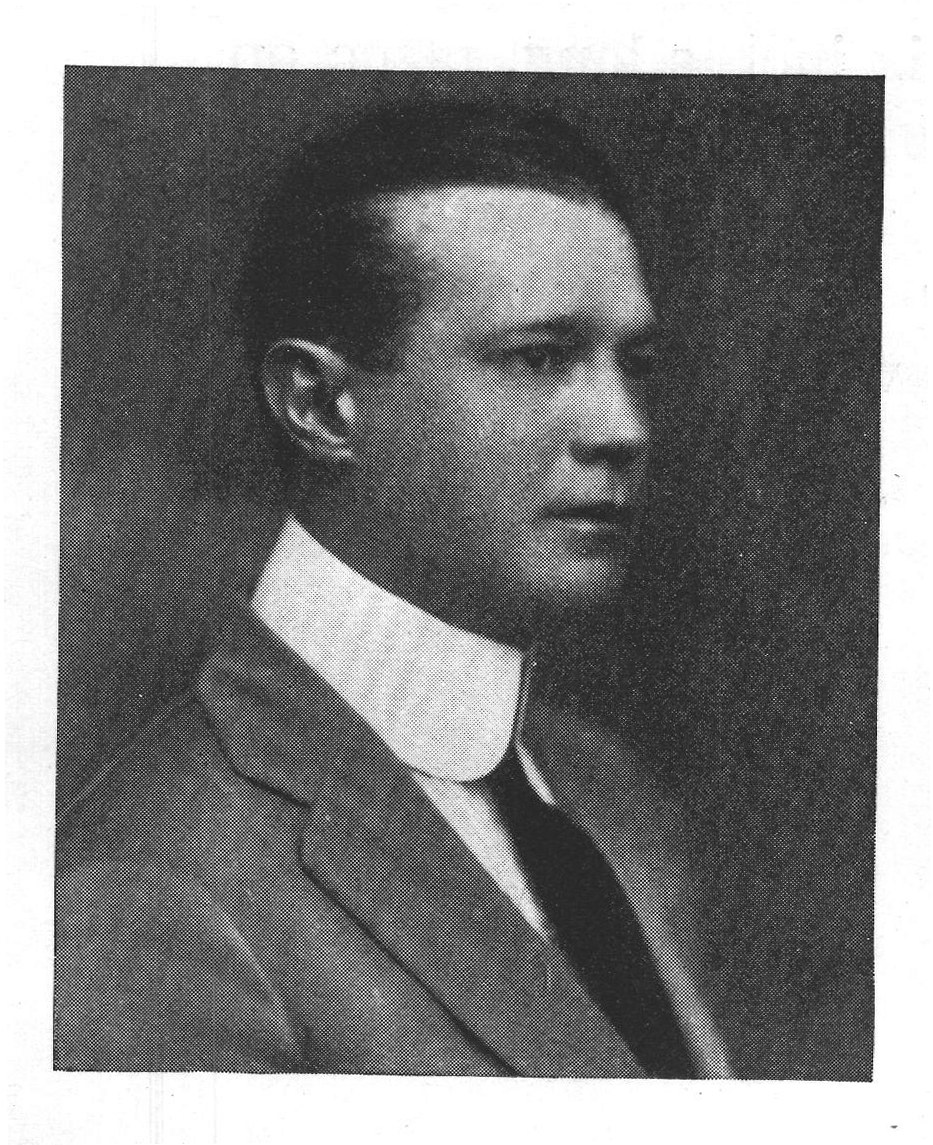
Morgan Coman

ORANGE PUDDING
3 oz. butter 4 oz. sugar 4 oz. flour 2 eggs 1 pinch salt Grated rind 2 oranges Juice 1 orange ½ teaspoon Royal baking powder Molle Cream butter and sugar together, add eggs and flour alternately, beating well between each, add grated orange rind, juice and lastly, baking powder. Butter a mold, put in mixture and tie up in cloth. Steam for two hours.
A plain steamed sponge pudding, given in ounces by weight, as English-trained cooks of the period wrote them. Nothing here has changed except the covering of the mold and the reader's tolerance for a two-hour steam.
- The weights3 oz butter is 6 tablespoons; 4 oz sugar is a generous 1/2 cup; 4 oz flour is about 3/4 cup plus 2 tablespoons if measured by scoop. Weigh them if you can, since the batter's balance depends on the flour not creeping upward.
- "Molle"Almost certainly a printer's garble; it may stand where such books print Mode or Method before the directions. Whatever its origin, it carries no instruction of its own.
- Baking powder lastIt goes in after the acidic orange juice, stirred in quickly at the end, and the pudding then goes straight into the mold and into the steam. Let the batter stand and some of the lift is spent before the heat reaches it.
- Rind of two, juice of oneNot an error. The rind carries the aroma, the juice only enough acid and liquid to loosen the batter. Grate the zest into the sugar rather than the finished batter if you want the flavor stronger.
- Covering the moldA floured pudding cloth tied over the rim was standard. A round of buttered parchment topped with foil, crimped tight under a ring of string, does the same work and is easier to lift out. Leave a pleat so the pudding can rise.
- SteamingSet the mold on a trivet or folded cloth in a deep pan, water halfway up the sides, at a bare simmer. Check the water twice and top up with boiling water. The recipe calls for two hours; a smaller mold may be done sooner. It is ready when a skewer comes out clean and the sponge springs back.
- Turning out and servingRest ten minutes before unmolding or the crumb tears. Serves about four, warm, with an orange or lemon sauce, thin custard, or cream.
Steamed sponge puddings of this shape — creamed butter and sugar, equal weights of flour and sugar, a raising agent, a flavoring of citrus rind — were the everyday sweet of British and American households through the nineteenth century, cooked on the stovetop in a cloth-tied basin, often said to be because a small kitchen range could steam more reliably than it could bake. The specification of "Royal baking powder" by brand is a period marker: chemical leaveners were sold aggressively from the 1860s onward, and Royal's own pamphlets and advertising put its name into a great many recipes, so cooks copied the brand along with the quantity.