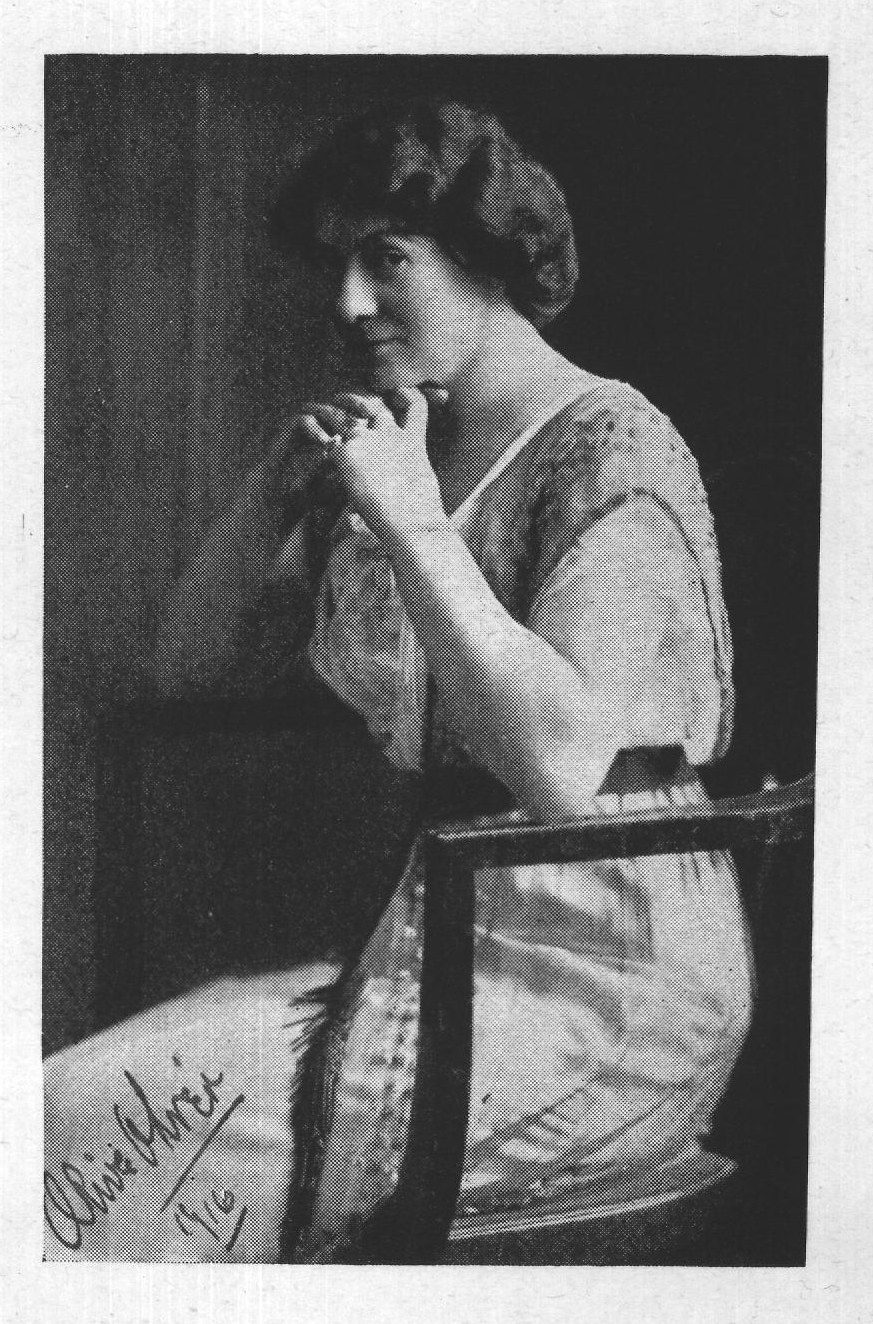
Olive Oliver

CREAM OF ARTICHOKE SOUP
Cook half a dozen of these in boiling water until soft, then rub through a sieve. Add two tablespoons butter and thicken with flour rubbed to a paste. Now add a cup of scalded cream, a dash of sauterne, a slightly beaten egg, a dust of nutmeg and salt to taste.
Pare one large cucumber, cut into cubes, sauté in butter and add to soup. Serve steaming hot.
Best wishes,
A short, loosely written soup from an actor's contribution book, with more gaps than instructions. The most important missing piece is liquid: as printed the recipe gives you a purée, butter, flour and a cup of cream, and no stock at all.
- Which artichoke"Half a dozen of these" boiled until soft and rubbed through a sieve may point to Jerusalem artichokes (sunchokes), though six globe artichokes, whose cooked bottoms were also commonly sieved for cream soups, would fit the count equally well. If using sunchokes, peel or scrub them well.
- Add stockA sieved purée plus a cup of cream will be closer to a thick sauce than a soup. Have 3 to 4 cups of light chicken or vegetable stock ready and thin the soup to the consistency you want after the roux and purée have come together.
- The roux"Thicken with flour rubbed to a paste" probably means flour worked to a paste, either with butter (beurre manié) or with a little liquid, and whisked into the simmering soup in small pieces. Note that the butter is called for separately here. Let it cook two or three minutes so the flour loses its raw taste.
- The egg is the hingeA slightly beaten egg stirred straight into hot soup will scramble. Whisk a ladleful of the hot soup into the egg first, return the mixture to the pot off the heat, and do not let it boil again — hold it below about 180F.
- Scalded creamScalding meant heating milk or cream to just below the boil, originally to kill off souring organisms in unpasteurised dairy. With modern cream it serves only to keep the soup from dropping temperature; warming it through is enough.
- SauterneIn American cookbooks of this period "sauterne" was often a generic label for a white wine rather than true Sauternes, and could be dry or faintly sweet. A tablespoon or two of a dry-to-off-dry white does the job; add it before the egg, as the recipe's own order has it.
- The cucumberPeeled, cubed and sautéed in butter until barely translucent, three or four minutes. The recipe says to add it to the soup; if you want it to keep its texture, spoon it into the bowls at the last moment instead.
- YieldWith stock added, four servings as a first course. The soup does not reheat well once the egg is in; make it to serve.
This comes from a collection of recipes solicited from stage performers, the kind of book in which the contributor's name mattered rather more than the precision of the cooking directions — hence the stray "MUSHROOMS" in the heading, the vague "half a dozen of these," and the "Best wishes" signed off at the bottom as though on a letter, which is very likely what it originally was. Jerusalem artichokes, the probable subject here, are the tubers of a North American sunflower and had long been a cheap winter vegetable on both sides of the Atlantic; puréed and enriched with cream they were a standby of the genteel first-course soup, sometimes called Palestine soup in Victorian and Edwardian kitchens, a name taken from the Jerusalem artichoke itself — and the "Jerusalem" is often said, though the derivation is disputed, to be a mangling of girasole, the Italian for sunflower. The finish here — cream, a slightly beaten egg, a splash of white wine, nutmeg — is straight out of the French velouté tradition that American hostesses of the period were expected to be able to gesture at, even in a recipe dashed off between performances.