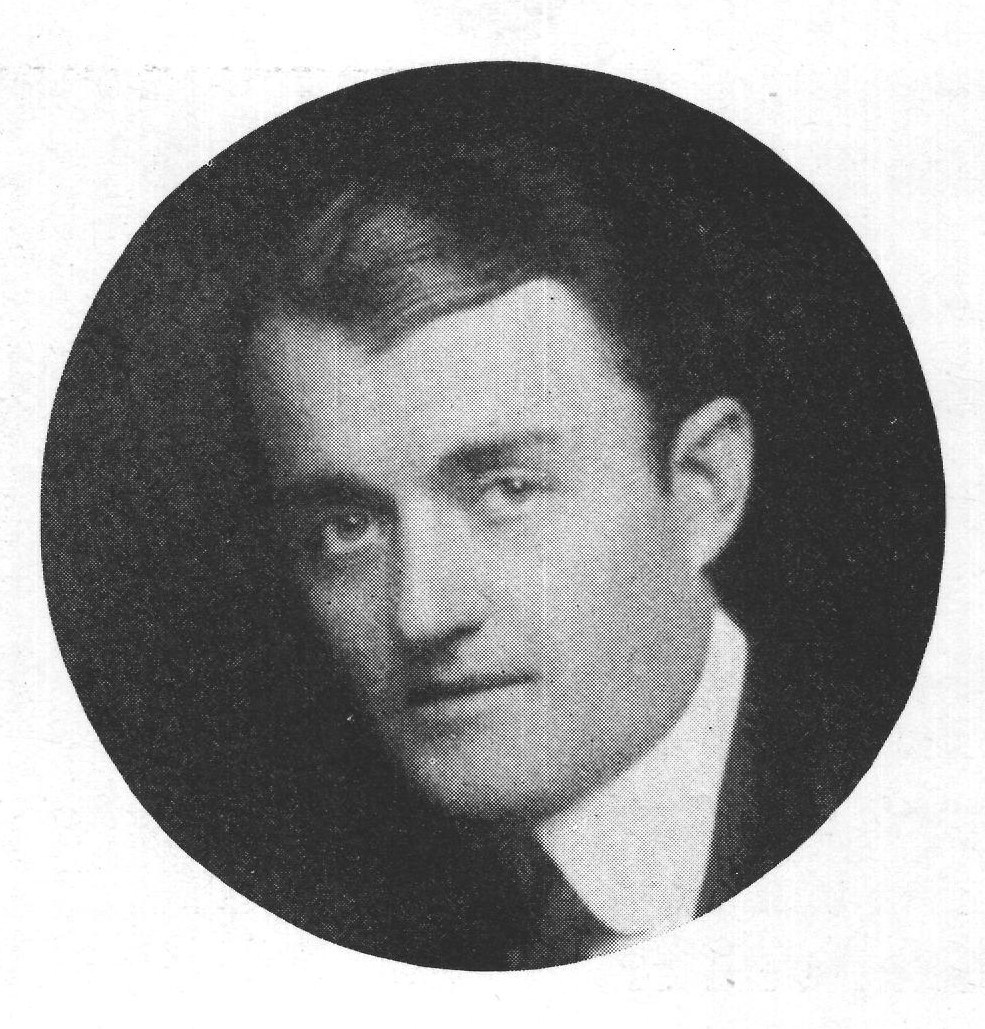
Richard Bennett

POTATOES AU GRATIN
sauce.
Rice potatoes and mix with white Put in buttered baking dish, sprinkle with grated cheese, cover with buttered crumbs and bake over a medium flame until crumbs are brown.
Yours sincerely,
A plain gratin built on riced potatoes bound with white sauce rather than sliced potatoes baked in cream. No quantities are given, so the proportions are left to the cook.
- Ricing is the pointBoiled potatoes pushed through a ricer stay light and separate; mashing them with a beater develops starch and turns the finished dish gluey. Rice them while hot and fold the sauce in gently.
- The white sauceA medium bechamel — 2 tablespoons butter, 2 tablespoons flour, 1 cup milk, cooked a couple of minutes to lose the raw flour taste — is enough for about 2 lb of potatoes. Add it a little at a time; the mixture should hold its shape, not slump.
- "Over a medium flame"Read this as a moderate oven, 350F. The dish is already cooked through, so the bake is only to heat it and colour the top: 20 to 25 minutes.
- CheeseA dry aged cheese grates and browns best here — Parmesan, or a firm well-aged Cheddar. Fresh supermarket mozzarella or pre-shredded blends with anti-caking starch will weep or go stringy.
- Buttered crumbsToss dry breadcrumbs with melted butter, roughly 2 tablespoons butter to 1/2 cup crumbs, so they brown evenly. Unbuttered crumbs scorch in patches and stay powdery.
- SeasoningNothing is specified. Salt the potato water, and season the sauce with salt, white pepper and a little grated nutmeg before it meets the potatoes.
- YieldTwo pounds of potatoes in a shallow 1 1/2-quart dish serves six as a side.
Charity and promotional cookbooks collecting recipes from stage and screen performers were a staple of the 1920s and 1930s, and the contributions were often short and domestic — the star as ordinary householder. Au gratin in French means browned or crusted on top, traditionally derived from gratter, to scrape, and by this period American usage had narrowed it to mean cheese and crumbs. The riced-potato version here is often grouped with duchesse and croquette potatoes, all of them generally traced to the late nineteenth-century cooking-school enthusiasm for the potato ricer. Richard Bennett (1870-1944) was a leading man of the American stage whose daughters Constance and Joan became film stars, and who appeared in The Magnificent Ambersons as Major Amberson.