Macaroni
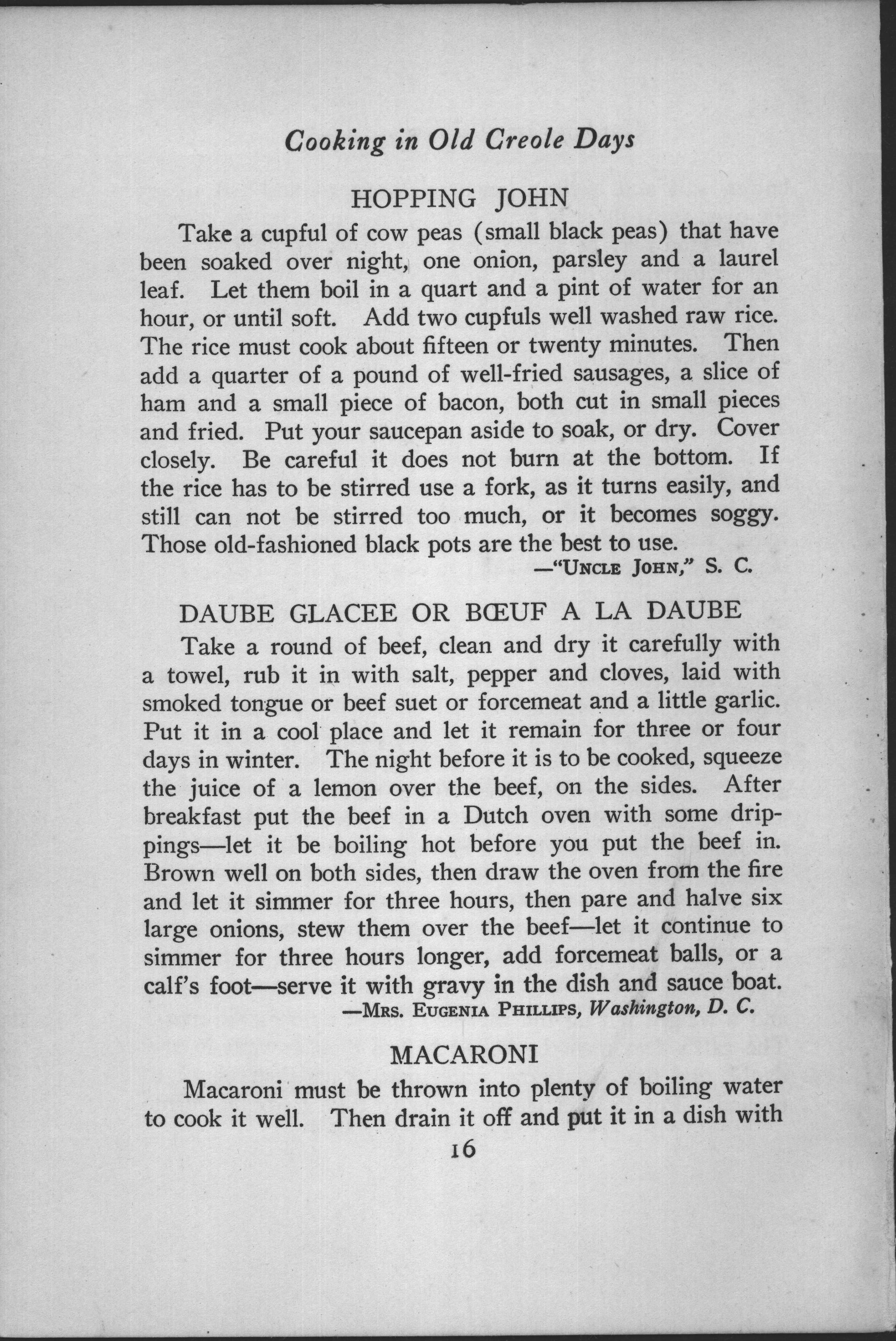
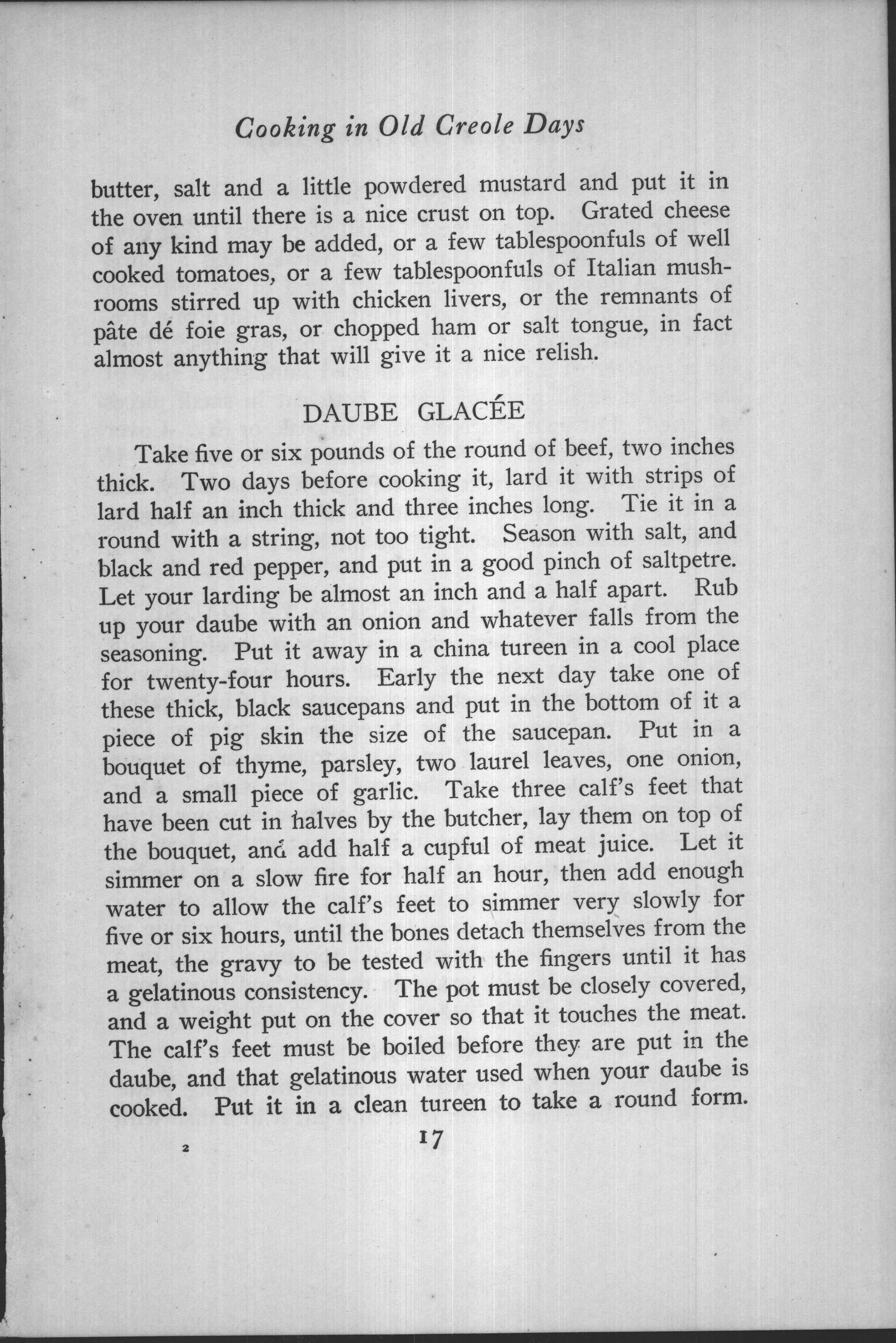
Macaroni must be thrown into plenty of boiling water to cook it well. Then drain it off and put it in a dish with butter, salt and a little powdered mustard and put it in the oven until there is a nice crust on top. Grated cheese of any kind may be added, or a few tablespoonfuls of well cooked tomatoes, or a few tablespoonfuls of Italian mushrooms stirred up with chicken livers, or the remnants of pâte dé foie gras, or chopped ham or salt tongue, in fact almost anything that will give it a nice relish.
This is baked macaroni in its Victorian form — the direct ancestor of macaroni and cheese, dressed up here with mustard and whatever savory scrap the cook had on hand.
- Salt the boiling water“Plenty of boiling water” means a large, well-salted pot; drain the macaroni while it still has a little bite, since it keeps cooking in the oven.
- A moderate ovenBake at a moderate 350°F (175°C) until the top sets and browns; a quick pass under the broiler gives that “nice crust” faster.
- The mustard is the secretA little powdered (dry) mustard sharpens the butter and cheese — the same trick that still keeps a good macaroni and cheese from tasting flat.
- “Pâté dé foie gras” decodedThat’s pâté de foie gras; along with the ham, salt tongue, tomatoes and mushrooms, these are the writer’s ideas for using up rich leftovers.
- About the foie grasFoie gras is banned or restricted in a number of places today and is contentious for the force-feeding used to produce it — treat it as strictly optional. A good chicken-liver pâté gives the same rich, savory note, or simply leave it out and lean on the ham and cheese.
- Cheese, to taste“Grated cheese of any kind” means roughly ½ to 1 cup for a family dish; a firm, sharp cheese melts into the best relish.
Baked macaroni long predates the boxed kind: a much-cited early example appears in Elizabeth Raffald’s 1769 The Experienced English Housekeeper, which dresses the pasta with cheese and cream — though baked cheese-and-pasta dishes reach back centuries before that, to the medieval English “makerouns.” Macaroni was fashionable and faintly exotic in the 18th century — so much so that a dandy who affected Continental airs was called a “macaroni,” which is exactly the joke buried in Yankee Doodle, who “stuck a feather in his cap and called it macaroni.” By the time this Creole book was written, baked macaroni had settled comfortably onto the American side table.
From page 16 of the 1904 edition.
Original pages from the book