Woodcock, Salmi of
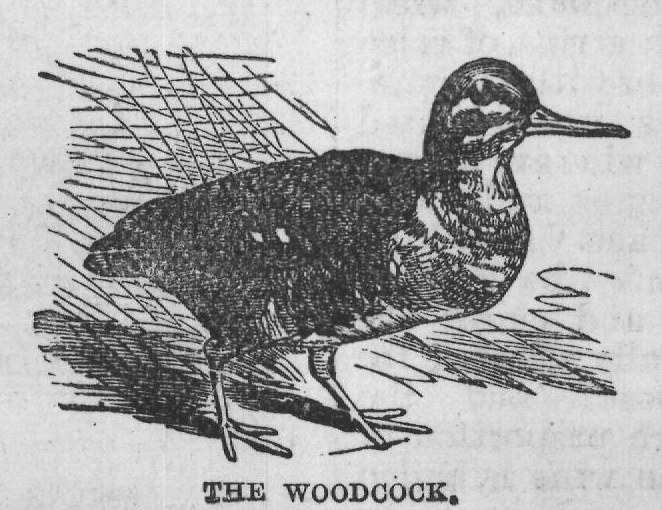
INGREDIENTS for Entrée. Remains of cold roast woodcock, a little stock or gravy, port wine, a bouquet of herbs, a small truffle, if obtainable, seasoning of cayenne and salt, 1/2 a lemon. AVERAGE COST, exclusive of the cold woodcock, 1s.
Cut as many small, neat pieces as the remains of the birds will yield, then put the remainder with all bones and any trimmings into the stock with the herbs and truffle cut up. Simmer till all the meat comes off the bones, and remove them and the herbs; put in the pieces saved of the birds, add a glass of port wine and a full seasoning, and serve when all is quite hot with a squeeze of lemon the last thing.
Serve this salmi or hash in a deep entrée ing dish, as there should be plenty of good gravy. A few fried croûtons may be put round.
Time.-About 1/2 hour to simmer.
SEASONABLE from November to February.
A salmi is a leftovers dish dressed as an entrée: cold roast game reheated in a strong, winey gravy. The whole thing stands or falls on the stock you build from the carcasses, so give that stage your attention and treat the reserved meat as something to be warmed, not cooked again.
- Do not re-cook the breast meatThe neat pieces go in only at the end, to heat through for two or three minutes. Woodcock breast is lean and dark and turns to liver-flavoured leather if it simmers. Everything else — legs, carcass, trimmings — is what goes into the pot for the simmering.
- The garbled time"TIME.-About hour to simmer" appears to have lost a fraction in the typesetting; the surviving text does not say which. Half an hour is ample for extracting flavour from small game bones, and the recipe's own test — simmer till all the meat comes off the bones — is the better guide.
- Sourcing the birdWoodcock is legal game in Britain and Europe and in North America under licence, but in the US it may not be sold, so a supermarket will never have it. Ask a game dealer where sale is permitted, or build the dish on two roast quail, a pair of wood pigeon breasts, or a roast grouse. Squab works well and is easy to buy.
- The trailWoodcock are traditionally roasted undrawn, with the intestines left in and spread on toast. If your cold bird still holds its trail, mash it into the gravy — it is the thing that makes the sauce taste of woodcock rather than of port.
- Stock and quantities"A little stock or gravy" is left unquantified; something like 300 ml / 1¼ cups of good brown game or chicken stock for two birds, reduced as it simmers to about half, is a reasonable reading. "A glass of port" in Victorian and Edwardian usage generally means a wineglassful, roughly 60 ml / ¼ cup; add it and let it bubble a minute.
- Truffle and bouquetA fresh black truffle is a serious expense for a hash; a teaspoon of truffle paste or a few dried trompettes will carry the same dark note. The bouquet is thyme, parsley stalks and a bay leaf tied together, fished out before serving.
- Seasoning"A full seasoning" of cayenne means enough to be felt, not tasted — a couple of good pinches. The lemon goes in off the heat, at the table edge, or its brightness cooks away.
- Serving and yieldTwo woodcock make a starter for two or a light supper for two with the croûtons. Fry the croûtons in butter until properly crisp and set them round the edge at the last moment; they are there to be dipped in the gravy, which should be generous enough to pool.
Salmi (also salmis) is French kitchen shorthand — generally traced to salmigondis, an old word for a stew of mixed meats — for a game dish in which roasted birds are jointed and finished in a rich sauce made from their own carcasses. In the classic restaurant version the bird is deliberately underroasted so the salmi is the real cooking; Mrs Beeton's book, addressed to households rather than kitchens with brigades, sensibly reframes it as a way to use up yesterday's roast, which is what the entry under "remains of cold roast woodcock" is doing. The November-to-February season reflects the arrival of migrating woodcock in Britain with the first hard weather, and the port, cayenne and truffle mark the dish as an entrée for a dinner of several courses — the sort of small, intensely flavoured plate that came between fish and the main roast in the Victorian and Edwardian service.