Home › Some Useful Recipes › Beef Steak Stew with Jelly
Beef Steak Stew with Jelly
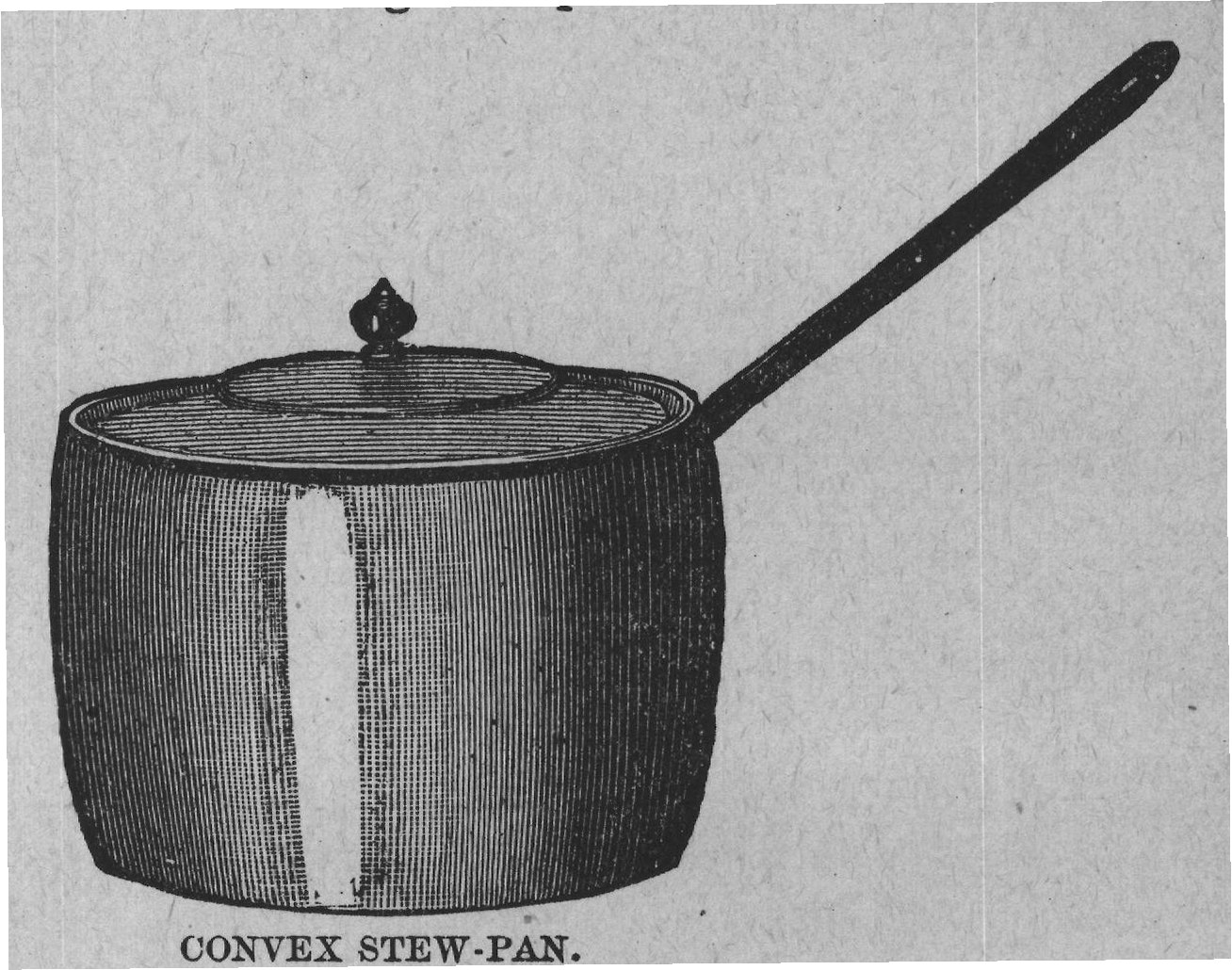
Take rump or round steak and pound it well, to make it soft, and lard it thoroughly. Put it in a stew-pan, in equal parts of whitewine and water, and add some slices from a leg of veal. Season it with spice, salt, garlic, thyme and parsley. Simmer all over a steady fire four or five hours. When sufficiently done, remove the meat, and strain the broth through a sieve; then pour it into another pan, and boil it down until it becomes a jelly. If it is wished that the jelly should be clear, the whites of two eggs may be beaten up in a tablespoonful of stock broth and added to it, and well mixed. It must then be boiled for seven or eight minutes. Some lemon is then to be added, and the contents of the stew-pan strained through a fine cotton strainer, taking care not to squeeze the cloth, or the dregs may be forced through the pores of the material. The filtered jelly is then put in a cold place to set. When it has become perfectly solid it is to be cut into nice pieces, which should be tastefully arranged on the dish, around the piece of meat. Sometimes the jelly is colored before being strained by the addition of a little cochineal powder.
Hotch-Potoh. The ingredients are: Neck or scrag of mutton, made into cutlets, cauliflower, carrots, green peas, onions, stock and turnips. This is something like the New England boiled dinner already described. VII. How to Make Stock.
STOCK is the foundation of all meat-soups, sauces and purees. It is prepared as follows: To make three quarts of good beef stock, put into a saucepan or stock-pot one and a half pounds fresh shin of beef, half-pound of bones broken into pieces, with seven pints of clean, soft water. Let the contents come slowly to the boil, then remove all the scum by skimming. The addition of a little cold water at intervals will facilitate the rising of the scum by altering the specific gravity of the water; if the scum be not removed it will partially redissolve and spoil the clearness and flavor of the stock, and you will have the trouble of clarifying. After skimming well, add the following: one ounce of salt; one onion, with two or, at most, three cloves stuck in it; two leeks, say five ounces; half head of celery weighing half-ounce; turnip cut into quarters, weighing five ounces; carrot sliced, weighing five ounces; parsnip sliced, weighing one ounce; one teaspoonful of white pepper. The contents must now simmer at 180 to 200 degrees for four or five hours; then remove the fat by skimming, it can be used when cold for frying and other purposes.
Take out the meat, vegetables and bones, and strain the stock into a glazed earthenware vessel and keep it in a cool place free from dust; a piece of muslin gauze may be placed over it. Any remaining fat can be removed in a solid state when the liquor is cold. Stock, soup, broth, or stew should always be kept in earthenware vessels. The vegetables should not remain longer in the stock than is necessary to properly cook them, as they afterwards absorb the flavor. In spring and summer, when vegetables are young, they cook in less time, but a stock may be and often is prepared without vegetables.
A stock may also be prepared from previously cooked meat and bones, but the stock will not be so good or rich in flavor as when prepared from fresh meat and bones. The idea which must be ever present in preparing a stock or soup is absolute freedom from fat. Spare no pains in skimming, and a little kitchen-paper or blotting-paper laid on the surface will remove specks of fat which evade the spoon. VIII. To Clarify Stock or Soup.
SOMETIMES stock will not clarify itself. To clarify stock or a soup, take the white and clean shell of an egg for every quart of soup; crush the shell in a mortar, and mix the shell and white of egg with a gill of cold water. Whisk the mixture well, and then add about as much of the boiling soup, still beating up all together. Pour the mixture to the remainder of the stock in the saucepan, still stirring briskly till the whole comes to the boiling point. Remove from the fire, and let the stock remain ten minutes, or until the white of the egg or albumen separates; then strain carefully, and the broth is clarified. The albumen and egg-shells entangle the small solid particles floating in the soup. If care be taken in the preparation of a stock or soup it will not often require clarifying.
IX. To Color Soups.
IT is sometimes desirable that stock should be of a bright golden color, although it is no better on that account. The point to remember in coloring, is not to alter the flavor of the stock or soup; burnt onions or carrots should never be used; they impart a disagreeable taste. The only proper coloring substance is caramel or burnt sugar, which may be prepared as follows:
Take a clean stew-pan or saucepan and put in half pound of pounded loaf sugar, and constantly stir it over the fire with a wooden spoon. When the sugar is thoroughly melted, let it come to the boiling point, and then boil slowly for fifteen minutes, with occasional stirring. When the sugar is of a dark-brown color add one quart of cold water, then boil for twenty minutes on the side of the fire. Let it cool; then strain it, and keep it in clean well-stoppered bottles, and it is ready for use. Caramel should be of a dark-brown color; if it boil too quickly it will become black, and will spoil the color and flavor of the broth. When you use caramel, put it into the soup tureen just before serving.
X. Roasted and Baked Meats.
In the United States, very little meat is roasted before the fire. This method is undoubtedly better than baking, but few families have facilities for roasting. The cook stove is now supreme, and no person will object either to a joint or a bird nicely roasted in an oven. But roasting before the open fire undoubtedly exalts the flavor of meat more than any other way of cooking. Only the best pieces can be used for roasting. The neck, tops of the ribs, shanks and tail make soup, all the odds and ends come in well for stewing, while the best roasting pieces are the ribs, the fillet, the sirloin and rump.
The dish is a braised beef served cold-garnished with its own clarified aspic — an exercise in gelatin extraction as much as in cooking. The hinge is the veal: without it the reduced broth will never set.
- "Convex stew-pan"A heading that appears to name the pan rather than the dish; the book gives no description of it. Any heavy Dutch oven or braiser with a tight lid does the same work.
- The veal is structural"Some slices from a leg of veal" are there for collagen. Use a pound or so of veal shank, knuckle or a split veal bone; skip it and you get a reduction, not a jelly. A modern cook substituting powdered gelatin should count on roughly 1 tablespoon per 2 cups of finished broth.
- LardingThreading strips of pork fat through lean meat with a larding needle, a common treatment for round and rump in the days before heavily marbled beef. Barding — tying sheets of fatback or thin-sliced salt pork over the surface — is the usual stand-in for a cook without a needle, though it bastes the outside rather than distributing fat through the meat.
- "Equal parts white wine and water"No total volume is given. Enough to come two-thirds up the meat is right for a braise; a full cover will dilute the broth and lengthen the reduction considerably.
- "Season it with spice"In recipes of this period "spice" commonly meant the warm baking spices — clove, mace, nutmeg, allspice, sometimes cinnamon — though the book does not say which. A very small hand is wanted; a whole clove or two and a scrape of mace is closer to the intent than a spoonful of anything.
- Simmer, not boilFour to five hours is not excessive for pounded round, but keep the liquid at a bare tremble — the stock instructions further down the same page give the target as 180 to 200F, which is exactly right here too. A rolling boil clouds the broth and no amount of egg-white clarification will fully rescue it.
- ClarifyingThe raft of beaten egg white must be stirred in while the broth is cool or barely warm, then brought up slowly. Once it sets and rises, stop stirring. Straining without squeezing the cloth matters: pressure pushes the trapped sediment through and undoes the whole operation.
- CochinealStill sold as carmine or natural red 4, made from scale insects. It is a legal food colour but a declared allergen for some people, and it is not vegetarian. The jelly is perfectly good uncoloured.
- Setting and servingChill the jelly in a shallow pan at least 4 hours until firm, then cut into cubes or chop it coarsely for a glittering border. Figure a 3 lb piece of rump serving six to eight, sliced cold or barely warm — this is a buffet dish, not a hot supper.
Beef braised long and slow, then set about with its own clarified jelly, is often taken to be the domestic descendant of French bœuf à la gelée and the older bœuf à la mode, in which the veal knuckle went into the pot expressly so the strained liquor would stiffen overnight, though the line of descent is a reasonable reading rather than a documented one. Aspic work of this kind was a mark of accomplishment in nineteenth-century cookery — the clear, faintly amber jelly proved the cook had skimmed diligently, never let the pot boil, and understood the egg-white raft — and it also solved a practical problem, since a set jelly sealed cold meat against air in a household with no refrigeration beyond a cool larder. The instruction to tint it with cochineal belongs to the same taste for showy cold tables that produced tiered moulds and chopped-jelly borders; carmine was one of the few colourings then considered reliable and harmless, at a period when many commercial dyes were neither. That it sits alongside the making of plain stock is telling: the book treats the extraction of gelatin from bone and connective tissue as a basic household skill rather than a restaurant flourish.