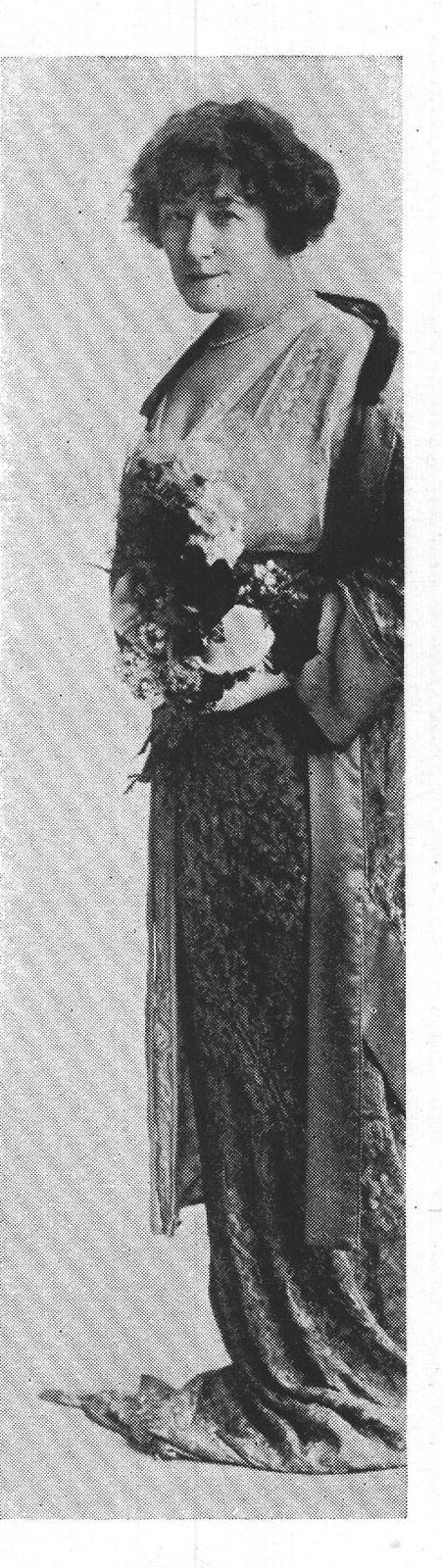
Rose Stahl

Celebrity
Whites 2 eggs Fresh-grated cocoanut Powdered sugar Beat whites of eggs on a platter with a fork until stiff. Add enough powdered sugar to spread. Spread over cake, sprinkle thickly with the cocoanut. Three layers should be used.
Yours truly,
This is a raw-egg-white icing: the whites are beaten with sugar and spread on a finished cake, and nothing in the method ever heats them. That is the single reason it cannot be recommended today, and it also explains the terms the recipe uses.
- Why it failsThe whites are never cooked, and the coconut and sugar do not sterilise them. Uncooked shell eggs carry a risk of Salmonella Enteritidis, which can be present inside an intact, clean egg; an icing sits at room temperature on the cake for hours, which is favourable to bacterial growth rather than hostile to it. If you want a white coconut icing, use a current recipe — a cooked or boiled-sugar meringue, or one built on pasteurised whites.
- No sugar quantity given"Enough powdered sugar to spread" is the whole measurement, and it is genuinely ambiguous. A spreadable raw meringue of this type runs anywhere from about 1 to 2 cups of sugar to two whites depending on how stiff the whites were beaten and how humid the kitchen is.
- "Cocoanut"The older spelling of coconut, from confusion with the cocoa bean. "Fresh-grated" means a whole brown coconut cracked, drained, pared and grated at home — the sweetened desiccated flake sold in bags today is a different, much sweeter product and would make the topping cloying against an already sugary icing.
- Powdered sugarA fine-ground sugar, though period usage was not fixed: 'powdered' was often coarser than modern confectioners' sugar, and was frequently ground at home from loaf sugar. Modern boxed confectioners' sugar contains cornstarch, which slightly thickens and dulls the gloss.
- Beating on a platterNot an eccentricity. Beating whites on a flat plate with a fork or broad knife is a method that appears in period cookbooks, the shallow film of white taking air quickly; it persisted alongside rotary beaters rather than being simply displaced by them.
- What the recipe assumesThere is no cake here at all. "Three layers should be used" takes for granted that the cook has a plain white or sponge layer cake already made and only needs to know how the celebrity finishes it — typical of these autograph cookbooks.
Celebrated Actor Folks' Cookeries (1916) collected short contributions solicited from stage performers, each printed with the star's signature line — which is why this page carries "Yours sincerely" and "Yours truly" around a recipe of barely thirty words. Rose Stahl was best known for The Chorus Lady, which she played for years on Broadway and on tour. Coconut cake was a fashionable American layer cake of the late nineteenth and early twentieth centuries, its popularity usually linked to the growing import trade in whole coconuts from the Caribbean; grating one was tedious enough that a coconut-topped cake read as festive without being expensive. Uncooked egg-white icings like this one were common in household cookbooks of the period, when the connection between shell eggs and salmonellosis was not yet understood.