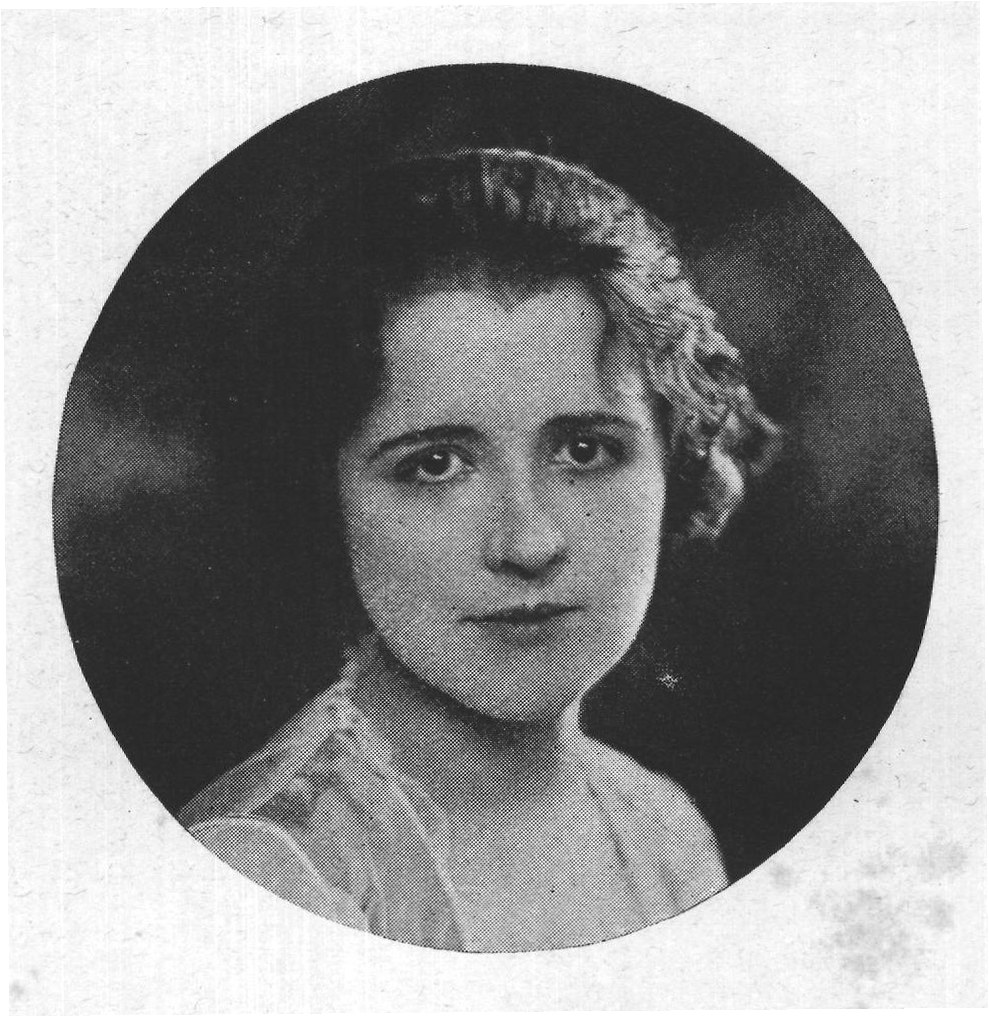
Helen Fulton

2½ tablespoons butter 2 cups molasses 1 cup brown sugar ½ cup milk 3 squares unsweetened chocolate 1 teaspoon vanilla Put butter into kettle; when melted add molasses, sugar and milk. Stir until sugar is dissolved, and when boiling point is reached, add chocolate, stirring constantly until chocolate is melted. Boil until, tried in cold water, a firm ball may be formed in the fingers. Add vanilla just after taking from fire. Turn into a buttered pan, cool, and mark in small squares.
Very truly yours,
A straightforward boiled caramel that wants a thermometer more than it wants a stopwatch. Note the heading confusion in the original: the recipe as written is chocolate caramels, with "Velvet Molasses Candy" apparently a stray title from a neighbouring page.
- The hinge: firm-ball stage"A firm ball may be formed in the fingers" is 245-250F on a candy thermometer. Below that the caramels will not hold a cut edge; much above it they turn brittle and pull fillings out.
- Squares of chocolateA square of unsweetened chocolate is one ounce, so three squares is 3 oz. Modern unsweetened baking bars are usually scored into ounces or sold in 4 oz blocks.
- MolassesUse unsulphured light or dark molasses, not blackstrap, which is bitter and will dominate the chocolate. Sorghum syrup is the closest period-appropriate substitute if that is what is at hand.
- Milk, not creamWhole milk gives a firmer, chewier caramel than cream. It also scorches more readily, so use a heavy pan and stir the bottom rather than the surface once the chocolate goes in.
- Kettle sizeA "kettle" here is simply a deep heavy saucepan. Molasses and milk foam up hard as the syrup boils, so choose a pan several times the volume of the ingredients.
- Marking and cuttingAn 8x8 buttered pan gives caramels about half an inch thick. Score while still warm and pliable, then cut through when fully cold; a knife wiped with a little oil helps. Wrap the squares in waxed paper or they will fuse back together.
- YieldRoughly 60 small squares from an 8x8 pan; on these quantities of molasses and sugar the finished weight is closer to two pounds than one.
This comes from Celebrated Actor Folks' Cookeries (1916), a collection of recipes solicited from stage performers of the day, each closing with the polite epistolary sign-off preserved here. Chocolate caramels of this type appear in American domestic cookbooks of the period, when thermometers were still uncommon enough that cooks judged doneness by dropping syrup into cold water. Molasses in the boil is the older habit, from the era when it was cheaper than refined sugar; by 1916 it was more likely kept for the flavour and the pull than for economy.