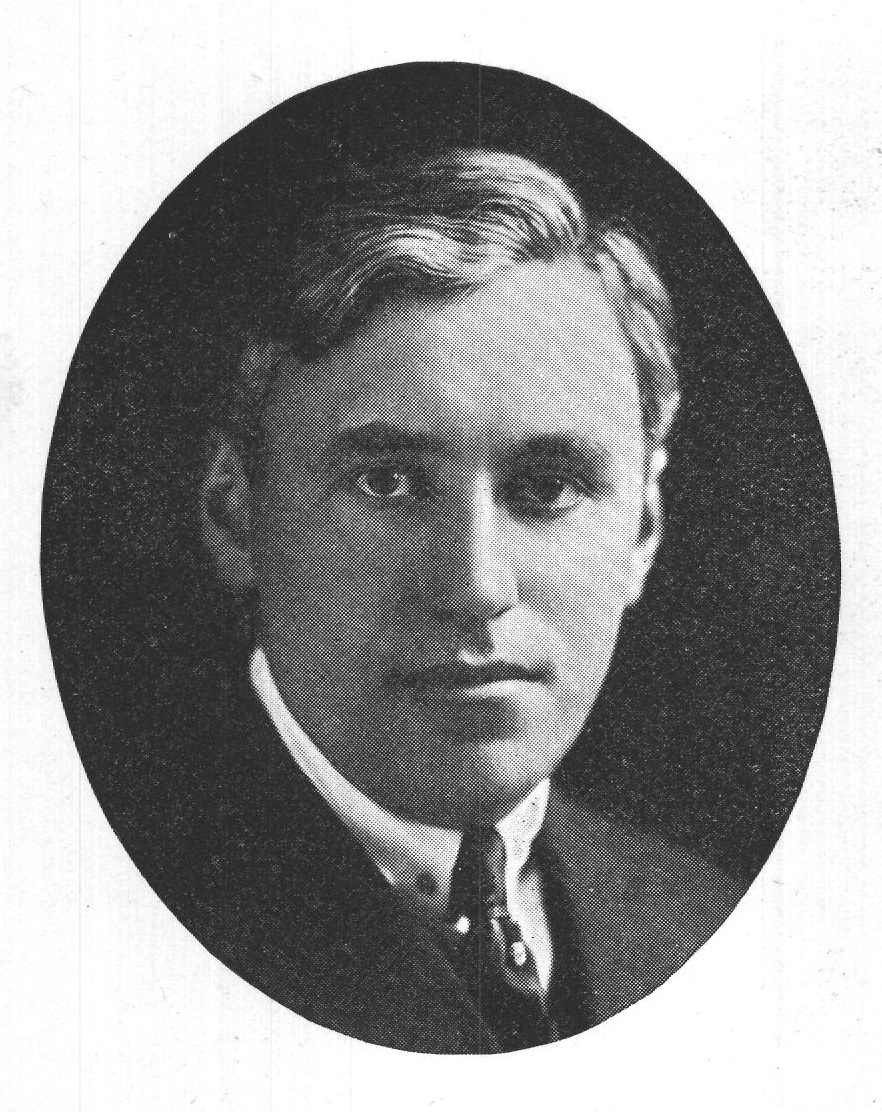
Mack Sennett

encorssal
SCALLOPED
1 pint oysters 4 tablespoons oyster liquor 4 tablespoons milk or cream ½ cup bread crumbs
OYSTERS
Salt and pepper 1/2 cup melted butter 1 cup cracker crumbs Brown the crumbs slightly and mix them with melted butter. Sprinkle a thin layer of crumbs on bottom of shallow buttered baking dish; cover with oysters, sprinkle with salt and pepper; add half of oyster liquor and half of milk; repeat and cover top with remainder of crumbs. Bake thirty minutes over a medium flame.
A standard two-layer scalloped oyster, of the sort that appeared on every American holiday table between roughly 1880 and 1950. The text has come through the scanner with the neighbouring recipe's title and some stray characters tangled into the ingredient list; the method itself is intact.
- "Over a medium flame" means the ovenDespite the wording, this is a baked dish in a shallow buttered dish, so read it as a moderate oven. The book gives no temperature; if you want a number, something in the region of 350-375F is a modern interpolation rather than the original instruction.
- Thirty minutes is a long time for oystersModern scalloped oyster recipes also run 25-30 minutes, the crumb layers buffering the heat. The oysters themselves are done as soon as their edges curl, so watch for the liquid bubbling at the sides and the top browned, and pull it then rather than by the clock.
- A pint of oystersShucked oysters were sold by liquid measure. A pint is about 16 fl oz of oysters and liquor together, roughly 24-36 medium oysters, or one standard tub from a fish counter. Drain them and reserve the liquor, since the recipe calls for four tablespoons of it.
- Two kinds of crumbs, on purposeTwo kinds of crumbs -- the cup of cracker crumbs (probably soda crackers or saltines, crushed fine) and the cup and a half of bread crumbs behave differently: cracker crumbs tend to stay crisp, bread crumbs absorb the liquor. Brown them lightly before adding the butter, as directed.
- Never three layersPeriod cookbooks commonly give two layers of oysters and three of crumbs, and warn against more. A middle crumb layer thick enough to sit between two oyster layers turns to paste; the instruction to "repeat" is not an invitation to keep going.
- Half a cup of butterThat is one stick, 4 oz, tossed through roughly two and a half cups of crumbs. It reads as a great deal and it is, but the crumbs should be evenly coated and slightly clumping, not dry.
- YieldServes four as a main course or six to eight as a side. A 9-inch pie plate or a small gratin dish is the right size; too large a dish spreads the layers thin and dries them out.
Scalloped oysters — "escalloped" in older spelling, the name traditionally traced to the shell-shaped dishes such preparations were once baked in — were a fixture of American Thanksgiving and Christmas tables from the mid-nineteenth century onward, when barrelled and canned oysters travelled inland by rail and turned a coastal luxury into a Midwestern holiday staple. The dish is essentially a gratin without a sauce: the oyster liquor and cream bind the crumbs as they bake. Mack Sennett (1880-1960), the Keystone producer whose name is attached to the slapstick pie, has a thoroughly conventional dish attached to his name here — the sort of contribution typical of the celebrity and charity cookbooks of the period, where the signature at the top was the draw.