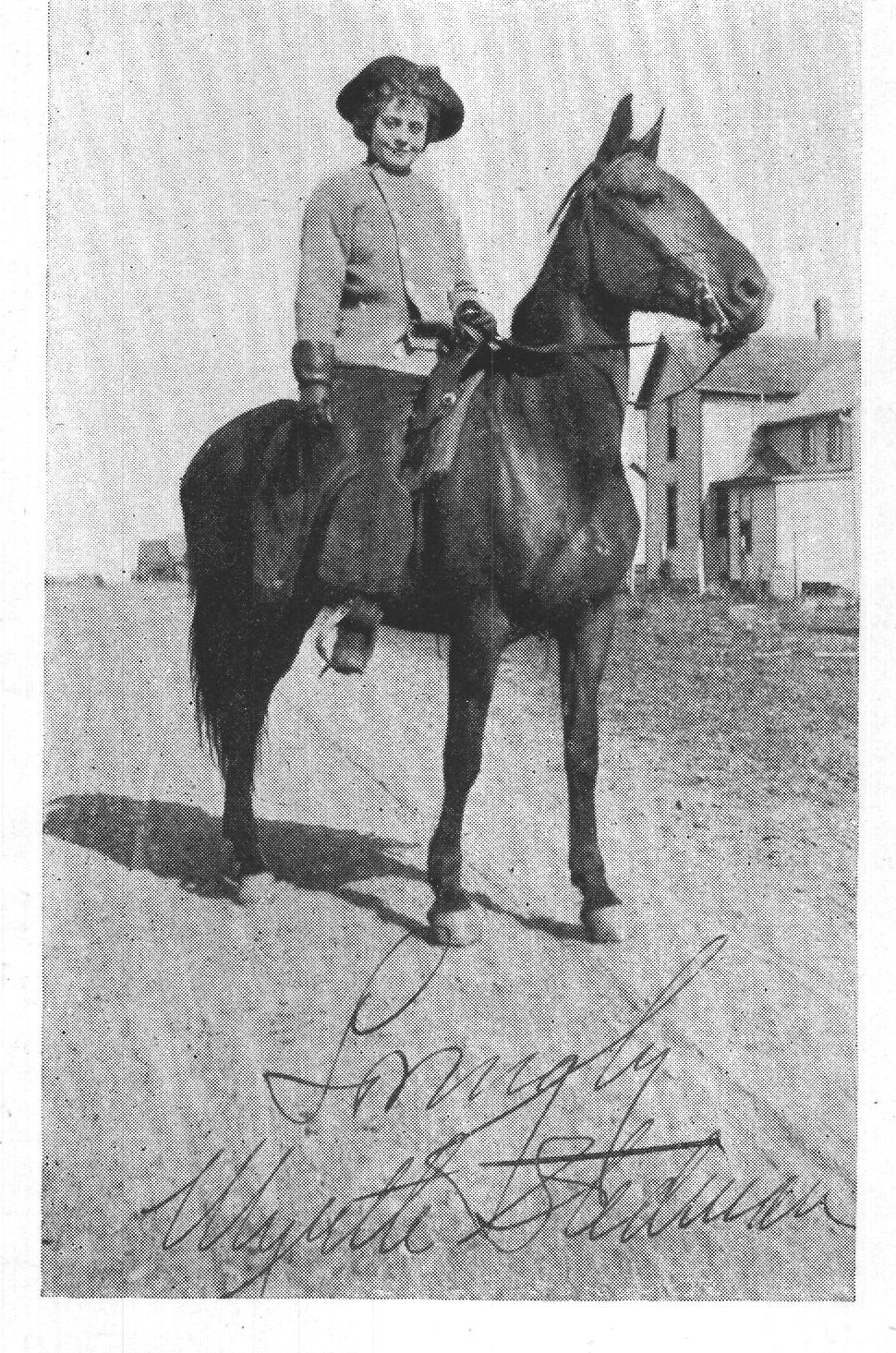
Myrtle Stedman

STRAWBERRY SHORT
NE box berries -wash well.
One large cup of granulated sugar.
Set aside until cake is baked. Three cups flour, three even teaspoons Royal baking powder. Sift well into large bowl; add one teaspoon salt, two tablespoons best butter; mix all into the flour, etc. Then moisten with sweet milk, sufficient to roll out, not thicker than one inch. Bake in quick oven. When done slice in center, butter plentifully, then spread berries between and over all.
Serve hot or cold with plenty of whipped cream. It is delicious.
A plain baking-powder shortcake of the American type — a rich biscuit dough, split and buttered, not a sponge. The stray heading "Sorrel Soup" above it is a printer's artifact of the alphabetical arrangement; no soup recipe follows.
- The hinge: macerate the berries firstThe hinge: the berries are prepared first and left to stand -- "Set aside until cake is baked" is the whole method. The recipe says only to wash the berries and gives a large cup of sugar; the evident intention is that the sugar draws syrup from the fruit while the cake bakes, and that syrup is what soaks the split cake. Hulling and slicing, and a stand of half an hour or so at room temperature, are the usual modern reading.
- "One box berries"A market box or basket of strawberries in this period was commonly a quart, though pint boxes were also sold; a quart runs to roughly 1 1/4-1 1/2 lb. A full cup of sugar to a quart is sweet by modern taste; two-thirds is closer to current practice with cultivated berries.
- Quick ovenAbout 400-425F. Shortcake wants high heat for a fast rise; 15-20 minutes for a single thick round, less for individual cakes.
- Royal baking powderRoyal at this date was a cream-of-tartar powder, which acts as soon as it is wetted, so the dough was meant to go straight into the oven. The brand is still sold; any modern double-acting powder substitutes measure for measure. Three teaspoons to three cups of flour is standard.
- Sweet milkPlain fresh whole milk, named to distinguish it from sour or buttermilk. Expect roughly 1 to 1 1/4 cups to bring three cups of flour to a soft, rollable dough.
- Two tablespoons butter is leanThat is a modest amount of fat for three cups of flour, giving a firm biscuit rather than a tender one — which is why the recipe leans on buttering the split surfaces "plentifully" while hot. Cooks who want a richer cake use 4-6 tablespoons, cut in cold.
- Thickness and shapeRolled no thicker than an inch and baked as one large round, then split horizontally. Cut into rounds instead if you want individual servings; the baking time drops to about 12-15 minutes.
- YieldOne large cake serving 6-8, or about eight 3-inch individual shortcakes. The recipe does not say whether the whipped cream is sweetened; all the sugar it specifies goes to the fruit.
Strawberry shortcake in the American sense -- sweetened biscuit dough split and layered with sugared berries -- was well established in nineteenth-century cookbooks, and by 1900 was a standard dessert of the strawberry season, when the fruit was available for only a few weeks and arrived at market in wooden splint boxes. Myrtle Stedman was a stage and silent-film actress of the period, and the closing "It is delicious" is characteristic of contributed recipes of this kind, which assume a cook who already knows what shortcake dough should feel like.