Recette de la Genoise
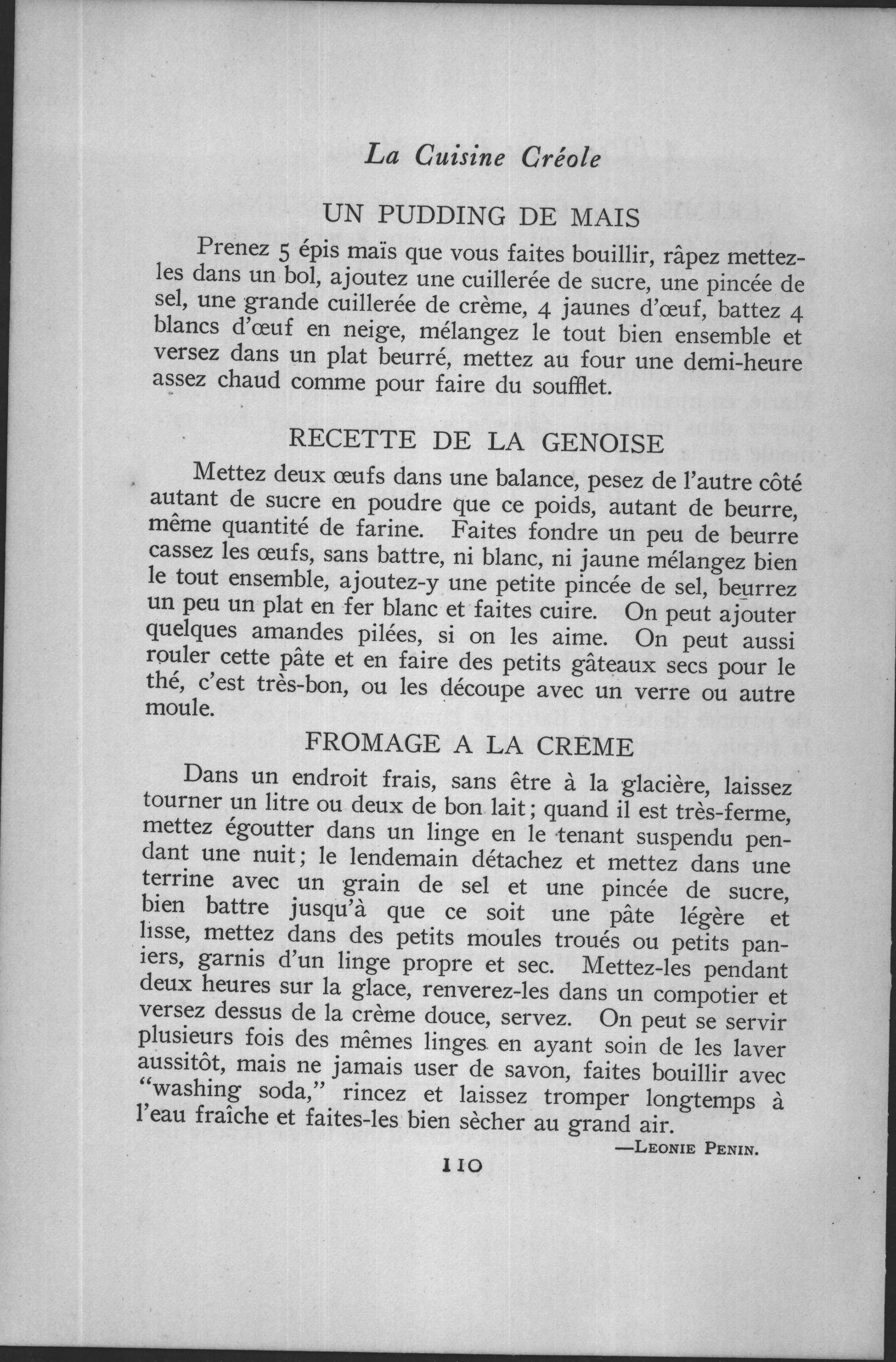
Mettez deux œufs dans une balance, pesez de l'autre côté autant de sucre en poudre que ce poids, autant de beurre, même quantité de farine. Faites fondre un peu de beurre cassez les œufs, sans battre, ni blanc, ni jaune mélangez bien le tout ensemble, ajoutez-y une petite pincée de sel, beurrez un peu un plat en fer blanc et faites cuire. On peut ajouter quelques amandes pilées, si on les aime. On peut aussi rouler cette pâte et en faire des petits gâteaux secs pour le thé, c'est très-bon, ou les découpe avec un verre ou autre moule.
A classic weigh-against-the-eggs génoise — the French sponge whose proportions are set by balancing everything against the weight of two eggs.
- The balance methodWeigh 2 eggs — about 3½ oz (100 g) — then measure that same weight of sugar, of butter, and of flour. A kitchen scale makes this the easy, authentic way.
- “Sans battre” is old-styleThe original folds in whole unbeaten eggs; for a reliably risen sponge today, whisk the eggs and sugar warm until pale and tripled, then fold in the flour and melted butter.
- Melt the butterIt should be just liquid and cool, not hot, when it goes in.
- Optional almondsA handful of crushed almonds is a traditional and welcome addition.
- Two ways to bakePour into a buttered tin for a cake, or roll the dough thin and cut rounds with a glass for little tea cakes.
The génoise takes its name from Genoa, and by tradition it entered French pastry with itinerant Italian confectioners, becoming a cornerstone of the classic repertoire — the whisked whole-egg sponge behind countless layer cakes and petits fours. What sets it apart is its rise: no chemical leavening at all, only air beaten into warm eggs. The “weigh against the eggs” formula in this recipe is the old artisan’s way of remembering the balance, a portable rule of thumb that needed no printed measures — only a scale and a couple of eggs.
From page 110 of the 1904 edition.
Original page from the book