Graham Wheatlets
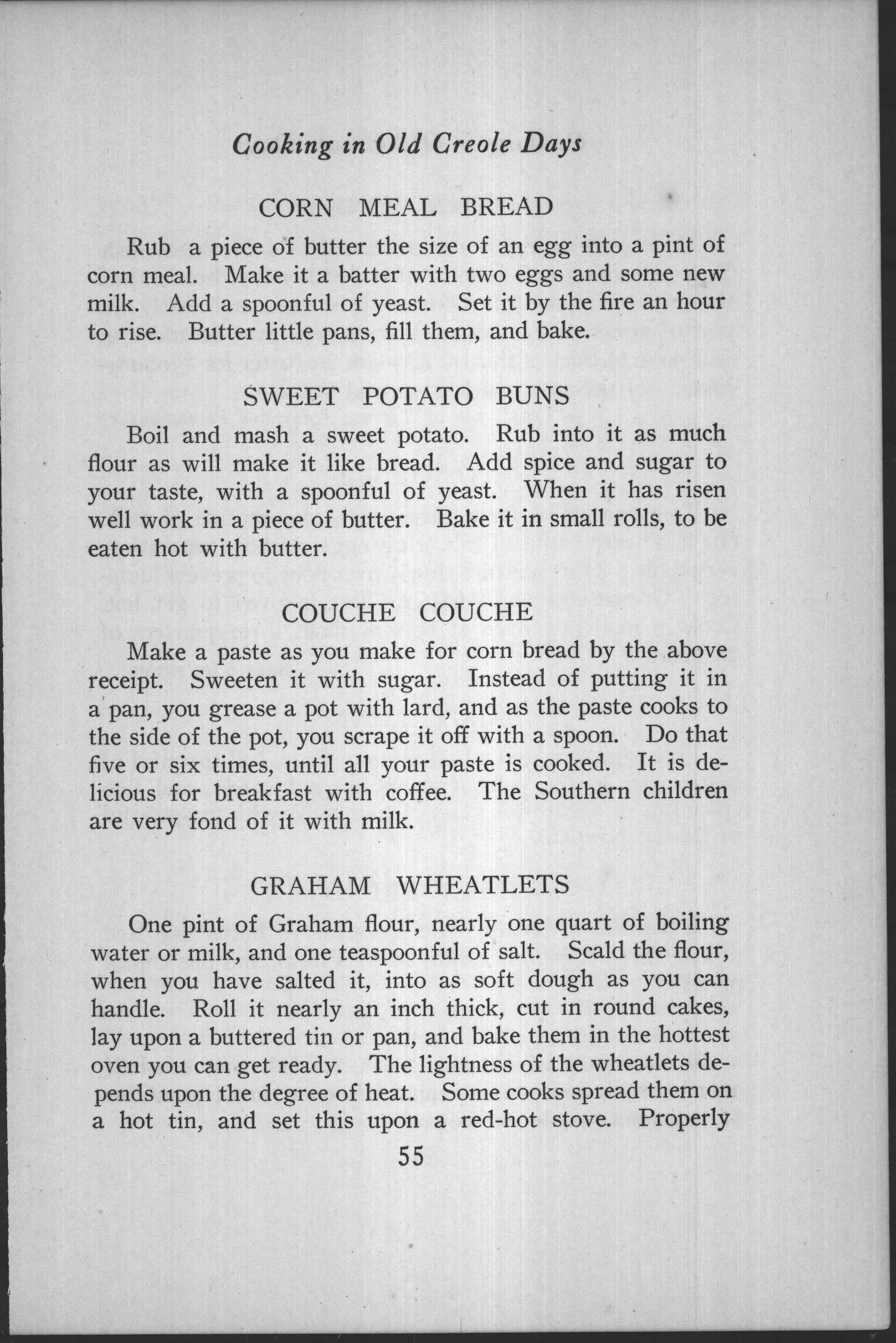
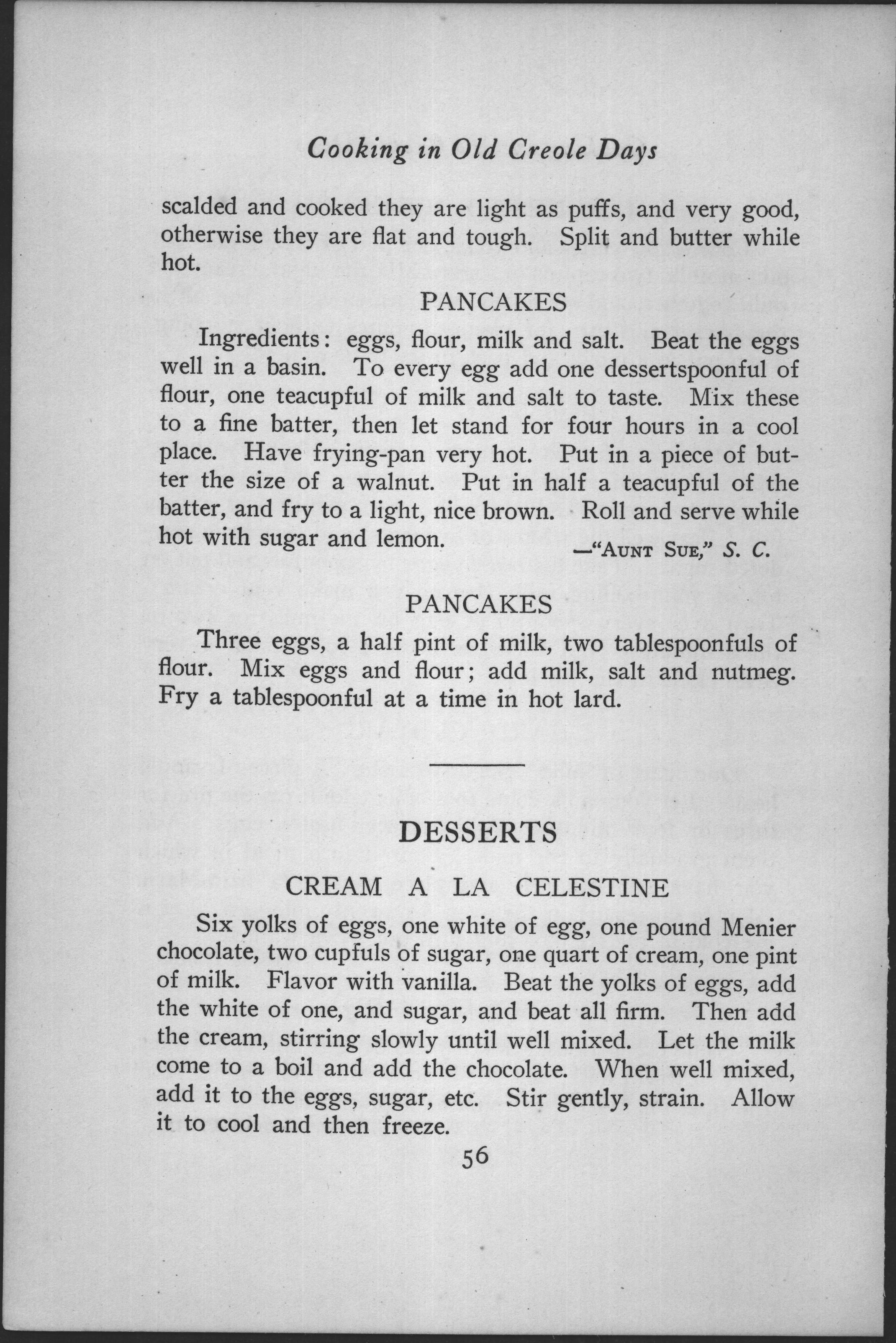
One pint of Graham flour, nearly one quart of boiling water or milk, and one teaspoonful of salt. Scald the flour, when you have salted it, into as soft dough as you can handle. Roll it nearly an inch thick, cut in round cakes, lay upon a buttered tin or pan, and bake them in the hottest oven you can get ready. The lightness of the wheatlets depends upon the degree of heat. Some cooks spread them on a hot tin, and set this upon a red-hot stove. Properly scalded and cooked they are light as puffs, and very good, otherwise they are flat and tough. Split and butter while hot.
Quick whole-wheat scald-cakes whose lightness lives or dies by oven heat.
- “Graham flour” = whole wheatGraham flour is coarse, unsifted whole-wheat flour; a stone-ground whole wheat is the closest modern match.
- “A pint of flour”About 2 cups of Graham flour.
- “Nearly a quart” of liquidUp to about 4 cups of boiling water or milk, but add it gradually and stop when you have a soft, rollable dough — you likely won’t need it all.
- Get the oven as hot as it goesThe recipe is blunt that heat makes them light: bake at your oven’s top setting, 450–500°F, on a preheated tin.
- Split and butter hotLike biscuits, these are at their best straight from the oven.
These cakes take their name from Sylvester Graham (1794–1851), a Presbyterian minister turned health reformer who became one of America’s first diet celebrities. Graham preached that refined white flour was sapping the nation’s vigor and urged people to eat coarse, unsifted whole-wheat flour with the bran left in — the flour that still bears his name, as do graham bread and the graham cracker. His devoted followers were known as “Grahamites.” A recipe for Graham “wheatlets” is a small monument to a 19th-century wellness craze that, on the central virtue of whole grains, turned out to be ahead of its time.
From page 55 of the 1904 edition.
Original pages from the book