Celebrated Actor-Folks' Cookeries

Mary Pickford, Enrico Caruso, Lillian Russell and a hundred more stars of 1916 — each sharing the dish they actually cooked. The original celebrity cookbook.

HomeH › Robert Hilliard

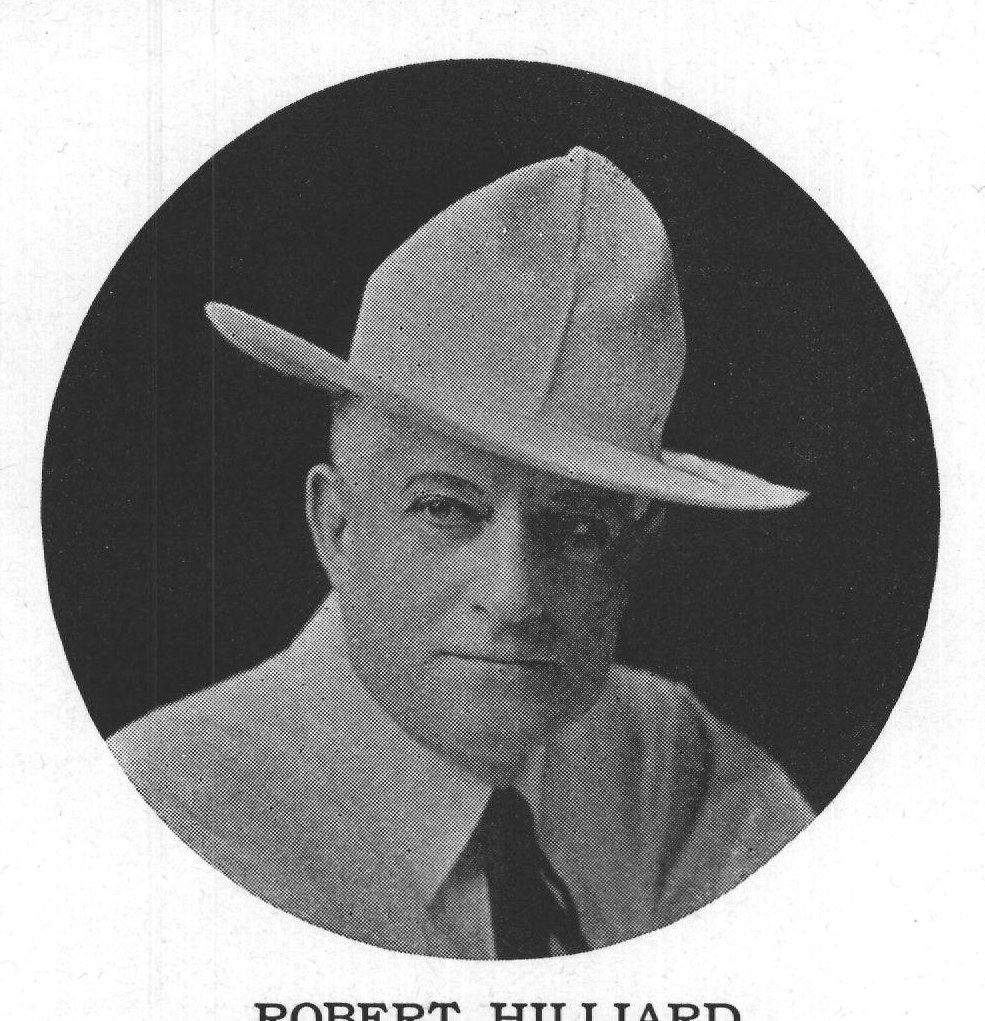
Robert Hilliard

ROBERT HILLIARD
ROBERT HILLIARD

RAGOUT a la Deutch Stew one can tomatoes with two chopped onions; add a few chopped cepes, chalots, mushrooms and green peppers, a glass of red wine, about four ounces meat jelly and pepper and salt.

Sauté a fillet of beef, cut into small squares; mix all together and serve very hot.

Sauté some potatoes to place around the dish and sprinkle with chopped parsley.

Sometimes after the theatre at night, my wife and I enjoy some oysters and a salad with perhaps a glass of champagne. We usually go to some quiet place where one may find genuine relaxation and comfort-as far away from the "music and dancing" as possible.

Very truly yours,

COMBINATION SALAD

1 head lettuce 3 beet roots 1 large apple 2 tomatoes Line the bowl with the lettuce and add other ingredients after slicing, in the order quoted. Pour over all the following French dressing.

Take half a teaspoonful each of pepper, mustard, paprika, salt and powdered sugar. Mix well and add one teaspoonful of vinegar and two tablespoonfuls of olive oil. A few walnuts sprinkled over the salad are an improvement.

Salads are among my favorite foods and I think this combination one excellent.

Edith Wynne Mattuson
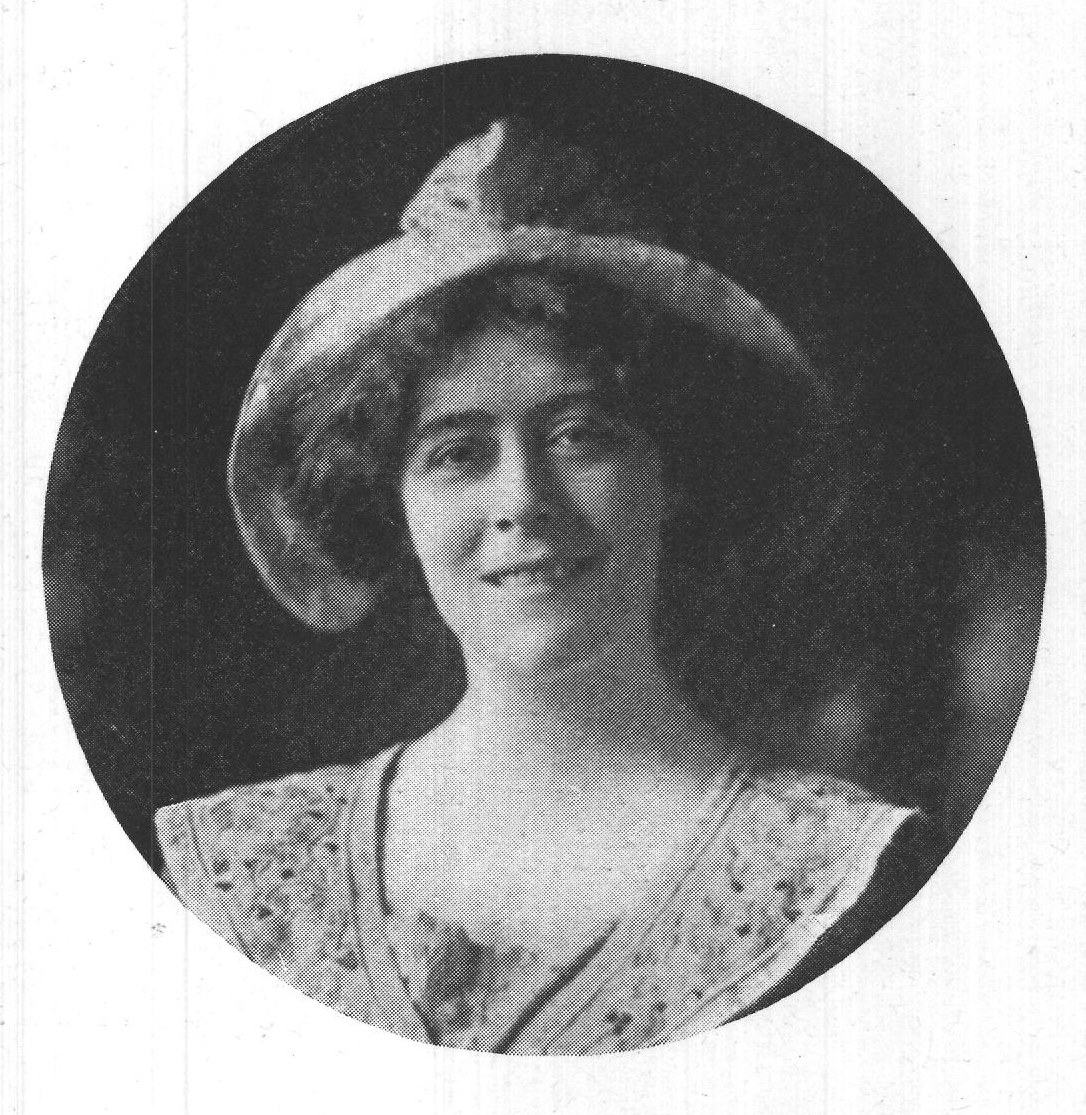
Edith Wynne Mattuson
For the Modern Kitchen

Two dishes from one page: a beef ragout built on canned tomatoes and a reduced meat jelly, and a plain layered salad. The page text runs together with an adjacent contributor's signature, so read the salad note as belonging to the salad and ignore the trailing name.

A Little History

Robert Hilliard was a matinee idol of the American stage, and his contribution to this collection of actors' recipes is exactly the sort of thing a touring leading man would order: a French-hotel ragout, a bowl of oysters after the curtain, champagne somewhere quiet. The "a la Deutch" tag (German style) sits oddly on a dish of cepes, shallots and meat glaze, which is standard restaurant French of the period; the label may reflect the sweet-sour tomato-and-onion base rather than any German technique. The reliance on a spoonful of chilled meat jelly is the clearest period marker here — before commercial stock bases, a well-run kitchen could keep a reduced brown stock setting firm in the cold room and draw on it the way a cook now reaches for a tub of demi-glace. The stray signature at the end of the page appears to belong to the actress Edith Wynne Matthison, whose entry seems to have run together with Hilliard's in transcription.

← Louise GlaumAnna Held →